Mulki, human settlement in India
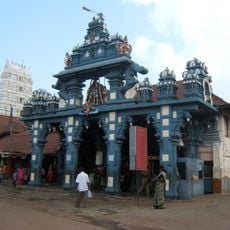
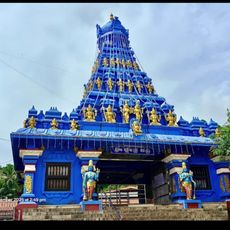
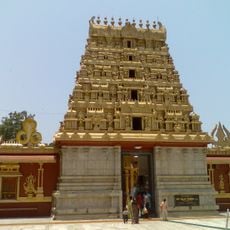
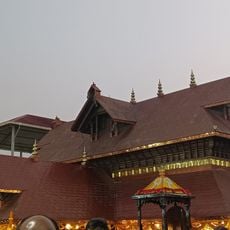
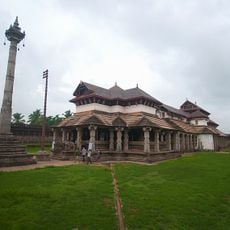
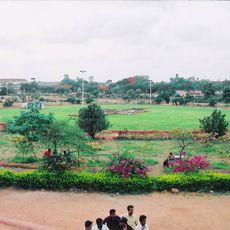
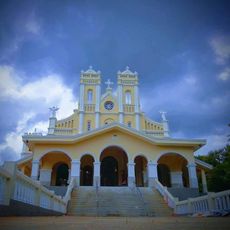
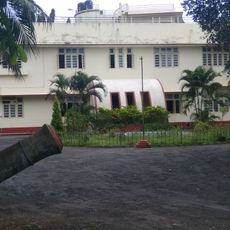
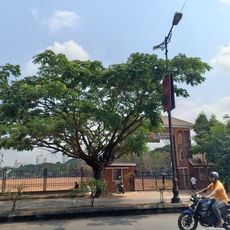
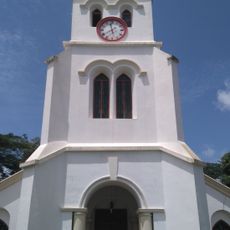
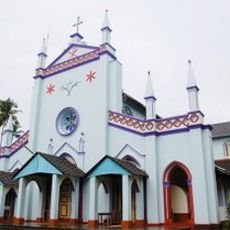
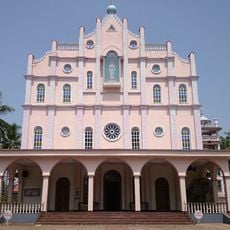
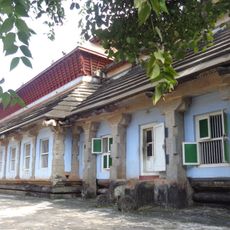
Mulki is a small town in Dakshina Kannada district situated on the banks of the Shambhavi River, which flows into the Arabian Sea. The town has modest buildings, small shops, and temples, with life unfolding in a relaxed rhythm as residents go about their daily work.
The town was formerly called Moolikapur, derived from local words for plant, referencing the historical use of medicinal herbs in the area. A saint and poet named Kanakadasa visited Mulki in the 16th century and gave the town its present name, while the region was ruled by the Savant dynasty from roughly the 14th to the 18th century.
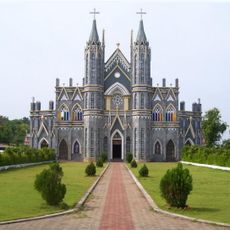
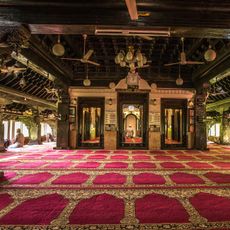
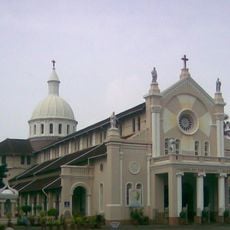
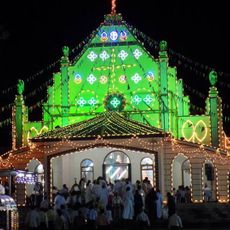
The name Mulki comes from local words meaning plant or medicinal herb, reflecting the historical use of plants in the region. Today, visitors can experience religious harmony, as Hindus, Muslims, and Christians live together peacefully and celebrate festivals like Diwali and local temple events.
The town is well-connected by bus or car from nearby places, and the nearest railway station is Karnad on the Konkan Railway line. There are small local eateries where you can taste typical dishes like rice and fish, and it is best to carry cash since small shops may not accept cards.
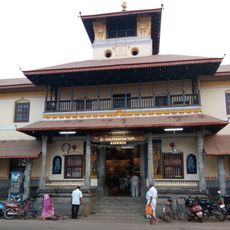
The Shri Venkataramana Temple houses an unusual statue from 1569 depicting Ugra Narasimha with eight arms and three eyes standing on one leg. This rare iconographic form draws visitors who want to explore ancient and intricate representations in Hindu temples.
The community of curious travelers
AroundUs brings together thousands of curated places, local tips, and hidden gems, enriched daily by 91,968 contributors worldwide.