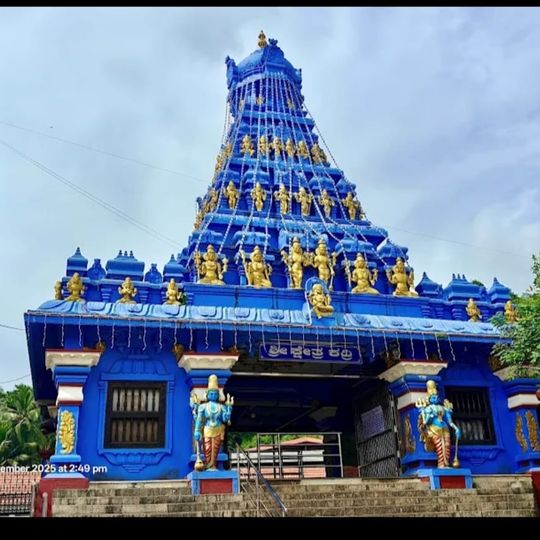
Kadri Manjunath Temple, Hindu temple in Mangalore, India
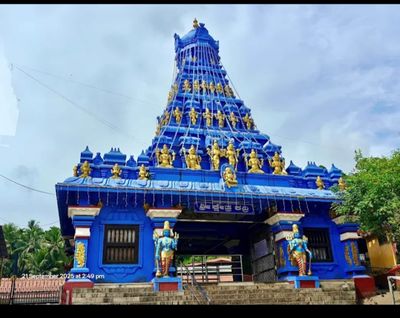
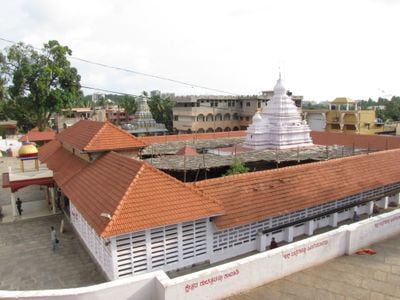
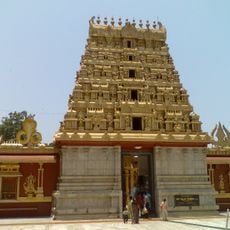
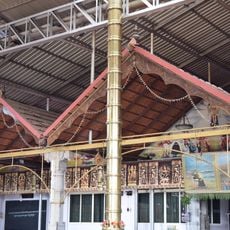
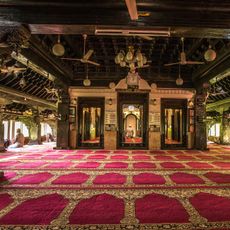
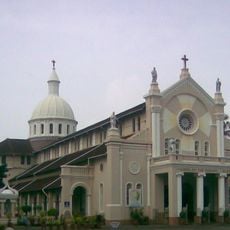
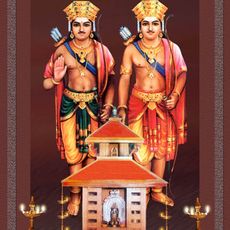
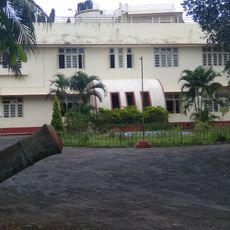
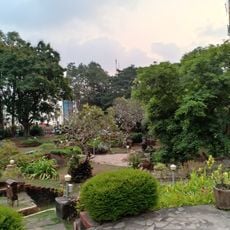
Kadri Manjunath is a Hindu temple in Mangalore, Dakshina Kannada district, consisting of several shrines built with stone and featuring bronze statues. The grounds include multiple water ponds fed by a natural spring and scattered among the different structures.
The temple on Kadri hill was built in the 10th or 11th century and became a complete stone structure in the 14th century. A bronze Lokeshvara idol bears an inscription dated 968 CE (or 1068 CE) recording that King Kundavarma of the Alupa dynasty installed it in Kadarika Vihara, a Buddhist monastery. Buddhism was practised here until the 10th century; later the site became fully Shaivite.
The name Kadri derives from Kadri Vihara, the Vajrayana Buddhist monastery that once stood here, as argued by M. Govinda Pai; Manjunatha refers to Shiva. The annual Jathra Mahothsava begins on Makara Sankranthi in January and runs nine days, with the Malaraya Daiva bhandara carried from the Kadri Kambala Ganada Kottige house and a mass feeding before the chariot procession.
The site lies about 5 kilometers (3 miles) from the center of Mangalore and opens daily in the morning and late afternoon. Visitors should wear comfortable shoes, as the grounds are explored on foot and cover several levels.
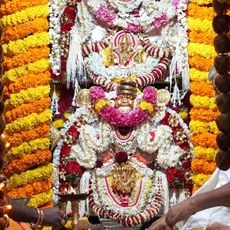
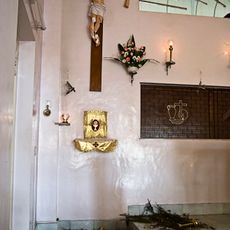
The seated Lokeshvara bronze, about 1.5 m tall, has three faces and six arms, holds flowers in two hands, and wears a crown bearing a Dhyani Buddha; its enameled eyes survive intact. Its pedestal inscription of 968 CE records that King Kundavarma of the Alupa dynasty installed it at Kadarika Vihara, a name that also mentions Mangaluru as "Mangalapura".
The community of curious travelers
AroundUs brings together thousands of curated places, local tips, and hidden gems, enriched daily by 92,859 contributors worldwide.