Lakhpat, town in Gujarat state, India
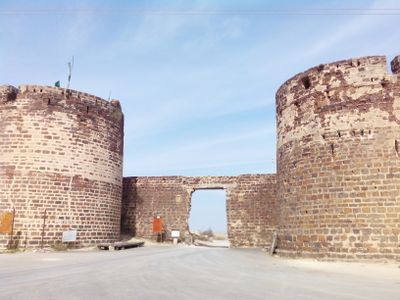
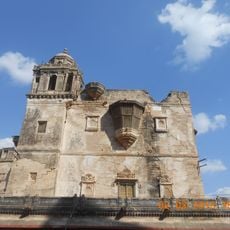
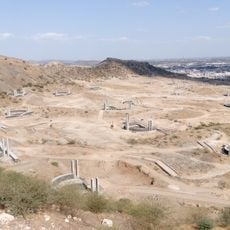
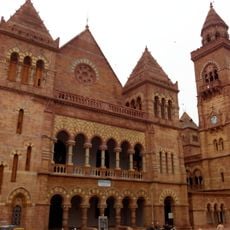
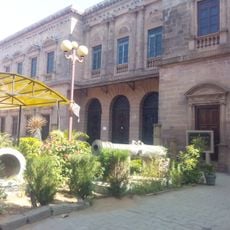
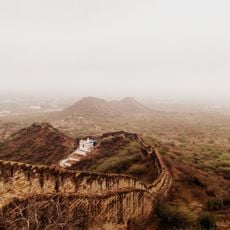
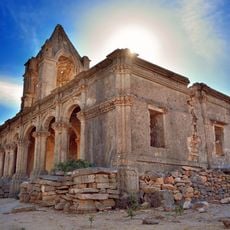
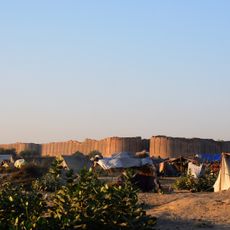
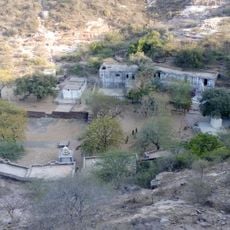
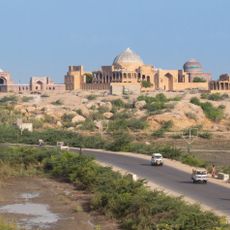
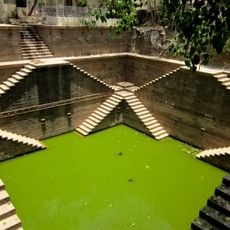
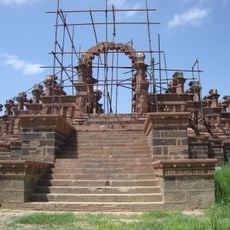
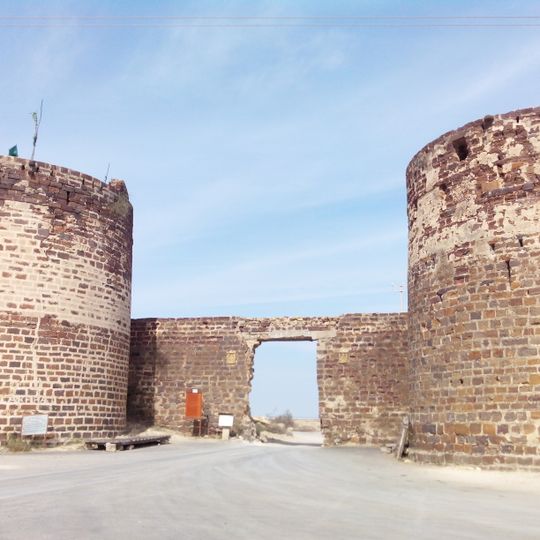
Lakhpat is an old town in Gujarat near the Pakistan border, today known as a ghost town. It is surrounded by strong stone walls built in the 1700s that stretch for about 7 kilometers and feature round towers for defense. Inside, narrow streets lead past decaying buildings and the remains of former trading areas, while the solid walls and watchtowers still stand intact.
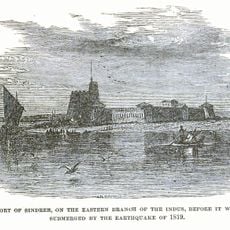
Lakhpat was founded in the 1700s by Rao Lakhpathji and became a prosperous port due to its location at the mouth of the Sindhu River, where merchants shipped timber, textiles, and ghee to East Africa and Western Asia. A devastating earthquake in 1819 changed the river's course, cutting off the port connection and causing the town's decline, which worsened after India's partition in 1947 ended trade links with neighboring regions.
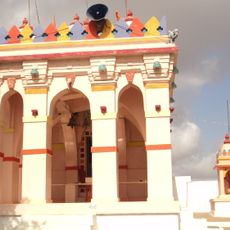
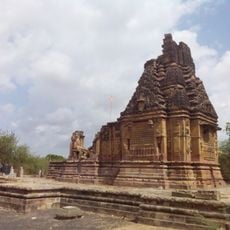
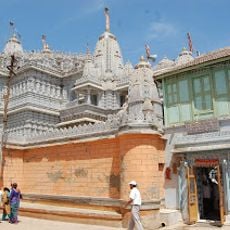
The name Lakhpat possibly comes from Rao Lakha, a ruler from nearby Sindh, though some link it to 'Lakhpati' meaning wealthy people. The town brought together different communities over centuries, a mixing still visible in its temples, mosques, and gurudwara that stand side by side today.
Lakhpat is remote and requires planning to visit; the cooler months are best as summers are extremely hot with temperatures exceeding 40 degrees Celsius (104 degrees Fahrenheit). Since the town sits near the border, wear sturdy shoes, bring plenty of water, and be aware that some border areas may have restricted access.
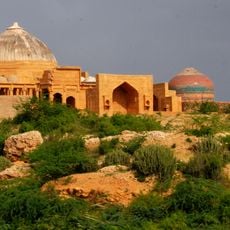
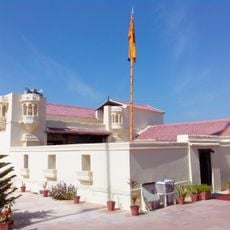
The Sufi saint tombs of Pir Ghaus Muhammad and Sayyed Pir Shah display a blend of Hindu and Islamic traditions, with visitors carving their names into decorative patterns on the walls, a practice called Kubo. The Guru Nanak Gurudwara preserves relics of the first Sikh Guru including his slippers and cradle, highlighting the town as a place of religious reverence across different communities.
The community of curious travelers
AroundUs brings together thousands of curated places, local tips, and hidden gems, enriched daily by 92,664 contributors worldwide.