Allahabad Museum, National museum in Civil Lines, Prayagraj, India
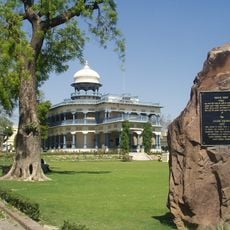
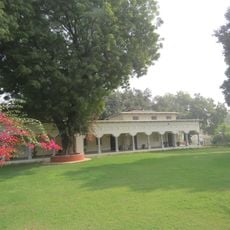
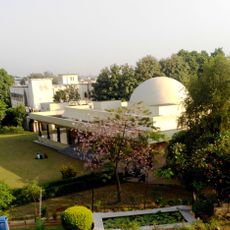
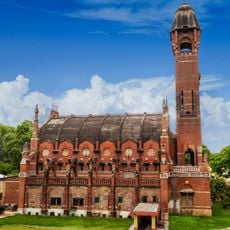
Allahabad Museum is a national museum in Prayagraj with sixteen distinct galleries spread across a large building within Chandrashekhar Azad Park. The displays include artifacts, paintings, and historical collections spanning different time periods and cultural traditions.
A museum first opened in Allahabad in 1863 under Sir William Muir, then closed in 1881. Jawaharlal Nehru, then president of the Allahabad Municipal Board, pushed to reopen it, and the museum was established in the Municipal Board building in 1931. Nehru laid the foundation stone of the present building at Alfred Park on 14 December 1947, and it opened to the public in 1954. In 1985 it was declared an Institution of National Importance.
The collection displays works by Indian artists such as Abanindranath Tagore and Jamini Roy alongside European painters like Nicholas Roerich. Visitors encounter traditional Indian art forms placed beside Western influences within the same walls.
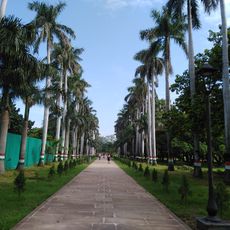
The museum stands inside Chandrashekhar Azad Park, about 3 km from Allahabad Junction and roughly equidistant from Prayag, Rambagh and Prayagraj railway stations, with Prayagraj Airport about 12 km away. It is closed on Mondays and open the rest of the week, and free guide service is available. The library is open to students and research scholars.
The museum preserves the Ford truck that carried Mahatma Gandhi's ashes to Triveni Sangam, one of its most historically significant objects. Visitors can also see the pistol of freedom fighter Chandrashekhar Azad, which connects to India's independence movement.
The community of curious travelers
AroundUs brings together thousands of curated places, local tips, and hidden gems, enriched daily by 93,160 contributors worldwide.