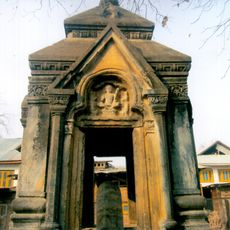
Banihal Pass, Mountain pass in Pir Panjal Range, India
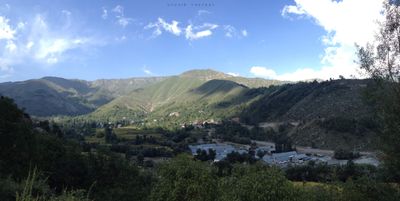
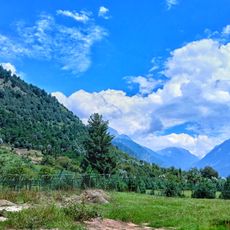
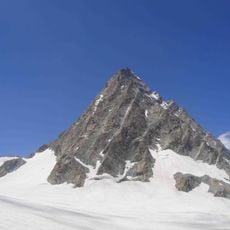
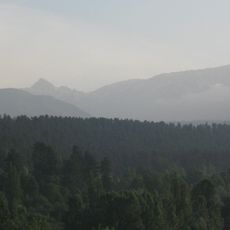
Banihal Pass is a mountain pass through the Pir Panjal range sitting at about 2,832 meters (9,300 feet) above sea level, running roughly 39 kilometers from Shaitani Nallah to Mundah. The route features steep slopes, rocky terrain, and alpine meadows in summer that turn to snow cover in winter.
The pass served as the main route connecting Jammu and Srinagar until 1956, when the Jawahar Tunnel was completed as an underground alternative. This tunnel shifted the primary traffic away from the mountain route and reduced the pass's importance for regional transportation.
In Kashmiri, "Banihāl" means blizzard, a name that records the snowstorms of the Pir Panjal crossing. The pass is a Kashmiri-language place name on the old Jammu–Srinagar road, which travellers used until the Jawahar Tunnel opened in 1956. Local tourists now head from the pass area to the Zaban Glacier in the Sanglaab Valley, visiting from April to mid-August.
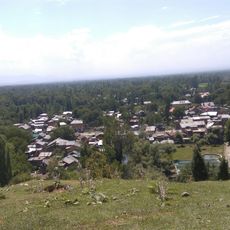
Since 1956 the Jammu–Srinagar road runs through the Jawahar Tunnel beneath the pass, so the pass itself is no longer used for road transport. To see the pass, leave the highway near Banihal and walk or climb the old route; the Zaban Glacier side is reached from Nowgam, about 3 km away, and from Sanglaab colony, about 2 km.
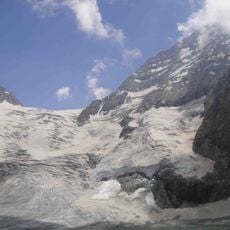
Zaban Glacier lies west of Khairkoot village in the Sanglaab Valley, below Sundur Top (3,660 m), and is the source of the Bachliri Nallaha, the main tributary of the Chenab River. It is about 3 km from Nowgam and 2 km from Sanglaab colony, reached by road off the Jammu–Srinagar National Highway. Local tourists come from April to mid-August.
The community of curious travelers
AroundUs brings together thousands of curated places, local tips, and hidden gems, enriched daily by 92,720 contributors worldwide.