Kedarnath Wildlife Sanctuary, Protected area in Chamoli district, India.
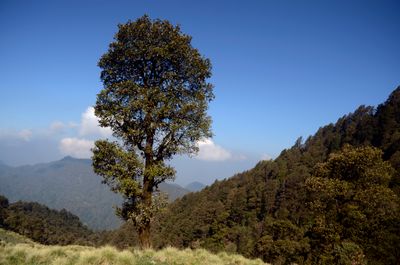
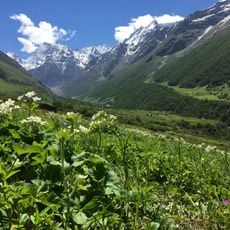
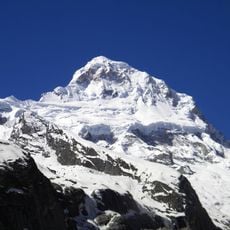
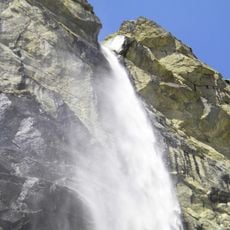
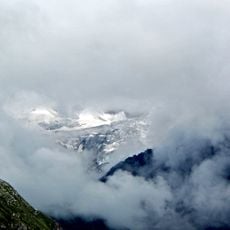
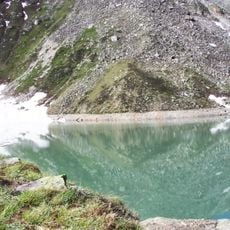
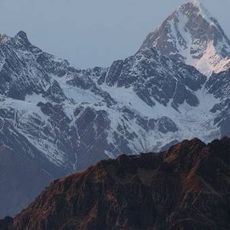
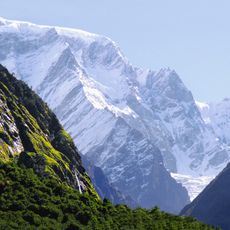
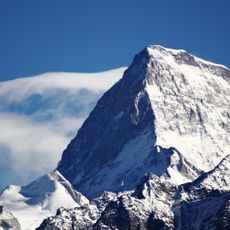
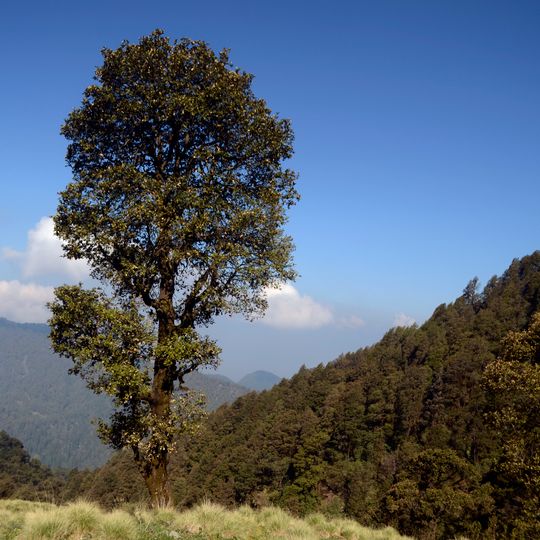
Kedarnath Wildlife Sanctuary covers 975 km2 across the Chamoli and Rudraprayag districts of Uttarakhand, from 1,160 m near Phata up to the Chaukhamba peak at 7,068 m. The IUCN reports roughly 44.4% to 48.8% forested ground, 7.7% alpine meadow and scrub, and 42.1% rock or permanent snow. Chir pine, oak, birch and rhododendron grow at middle altitudes, giving way to alpine grasslands above.
The Indian government established this protected area in 1972 to safeguard regional wildlife species and maintain ecological balance in the northern Himalayan mountains. The initiative emerged from growing awareness about threats to mountain ecosystems from human activities.
The sanctuary takes its name from the Kedarnath temple just beyond its northern border, an 8th-century shrine reached by a 14 km route from Gaurikund that passes through the protected area. Other temples inside or on its edge, such as Madhyamaheshwar, Tungnath, Rudranath and Triyuginarayan, carry legends tied to the Mahabharata. Bhotiya pastoral communities remain part of the valleys, and pilgrims have occasionally been attacked by wildlife along the trails.
The 14 km trail from Gaurikund to the Kedarnath temple at 3,584 m runs through the sanctuary, so the main approach is on foot. Snow covers the area for about three months after heavy December snowfall, and the June-to-September monsoon brings roughly 81% of the annual rain. Winter lows near mid-January reach −10 °C.
Snow leopards, Himalayan black bears, and several deer species inhabit the different altitude zones of this mountain ecosystem in the wild. These large predators are typically difficult to spot, but their presence signals a healthy ecosystem.
The community of curious travelers
AroundUs brings together thousands of curated places, local tips, and hidden gems, enriched daily by 92,678 contributors worldwide.