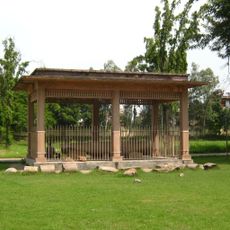
Chirand, village in Bihar, India
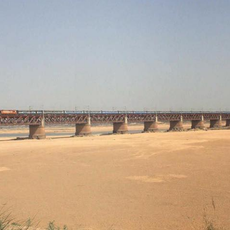
Chirand is a small village in the Saran district of Bihar in northern India, situated on a riverbank. The site contains ancient pottery fragments, brick foundations, and a large earthen mound that reveals multiple layers of settlement spanning thousands of years.
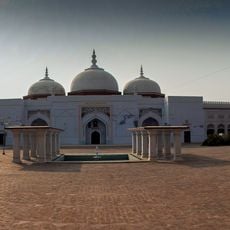
The site was a center of human settlement from the Neolithic period through about 30 AD, with evidence of hunting, fishing, and early farming. A mosque was built on the mound in 1503, overlaying ruins of earlier Hindu temples.
The name Chirand comes from local tradition and refers to the ancient settlement by the riverbanks. Villagers keep traditional farming methods and hold festivals that reflect their connection to the site's deep past.
The area becomes wet and subject to flooding from June through September during monsoon season, so visiting during drier months is more practical. Walking with a local guide helps you understand the pottery layers and structures better while experiencing village life.
A ruler named Mayurdhwaj from the Chero dynasty once governed this area, and the Buddhist teacher Ananda is said to have died here. These two connections show how different cultures and beliefs met at this location.
The community of curious travelers
AroundUs brings together thousands of curated places, local tips, and hidden gems, enriched daily by 92,722 contributors worldwide.