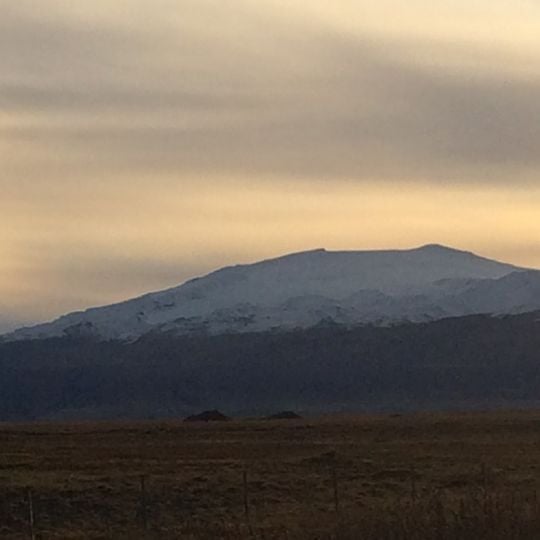
Katla, Subglacial volcano in southern Iceland
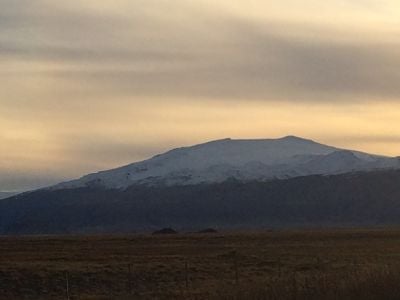
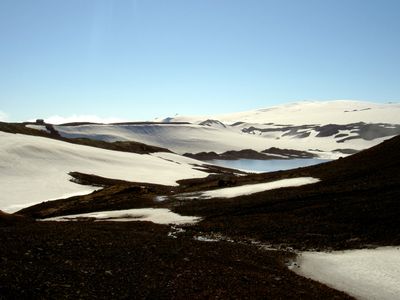
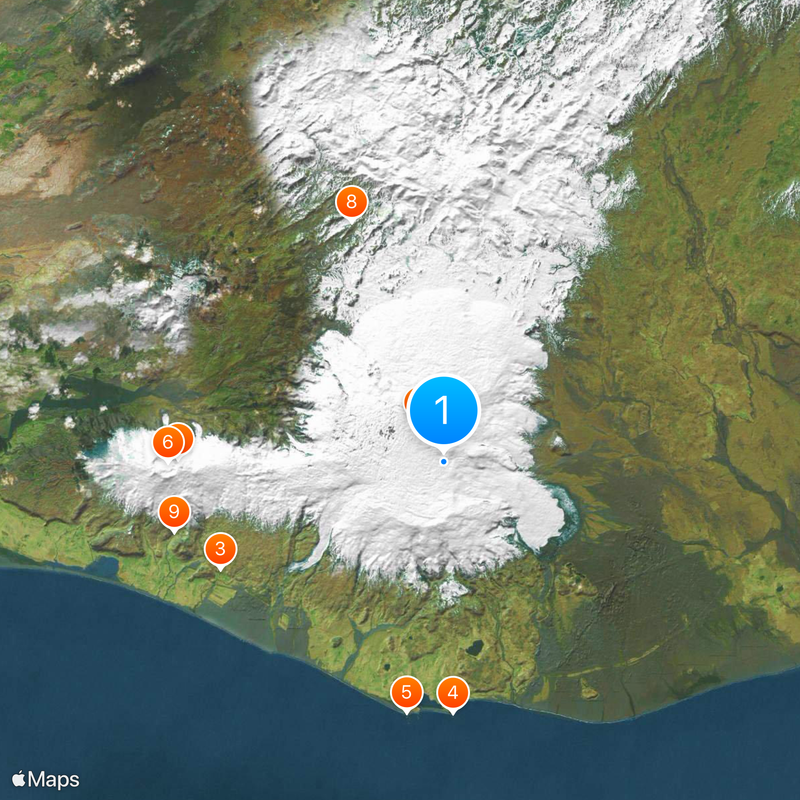
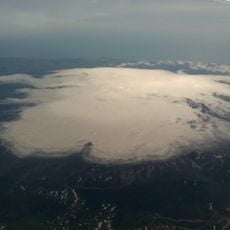
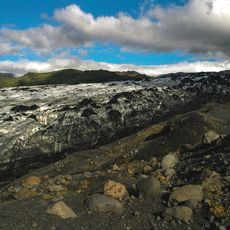
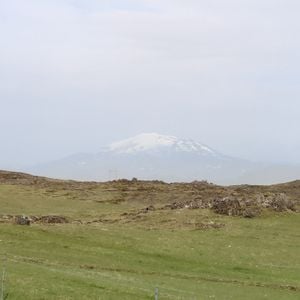
Katla is a subglacial volcano beneath the Mýrdalsjökull glacier in southern Iceland, built from basalt and rhyolite. The caldera stretches ten kilometers across and sits under a thick ice layer that hides the volcanic rock below.
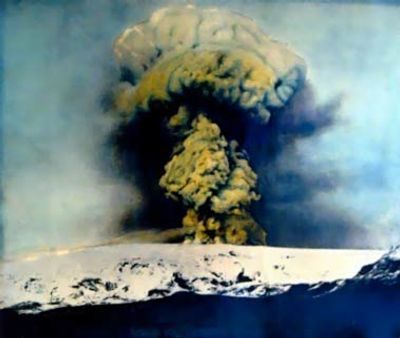
The volcano has been active since around 2920 BC and has experienced more than twenty major eruptions during that time. The last large eruption in 1918 melted ice and created new land along the southern coast of Iceland.
Local guides and farmers have long used the kettle name to describe the round depression hidden under the ice. This naming tradition reflects how Icelanders observe and describe the land around them.
The area is monitored by seismic sensors and water gauges that detect signs of activity beneath the glacier. Visitors can explore the region with local guides who are informed about safety conditions and access routes.
The volcano releases around four percent of all volcanic carbon dioxide worldwide, even when it is not erupting. This constant gas release makes it one of the most significant natural carbon dioxide sources on Earth.
The community of curious travelers
AroundUs brings together thousands of curated places, local tips, and hidden gems, enriched daily by 92,219 contributors worldwide.