Black sand beach

Log in to your account

AroundUs is a community-driven map of interesting places, built by curious explorers like you. It grows with every review, story, and photo you share.
Connect to save your favorite spots, contribute locations, and create personalized routes.
By continuing, you accept our Terms and Conditions and our Privacy Policy

Black sand beach

Add to collection
Map
Suggest a change
Share

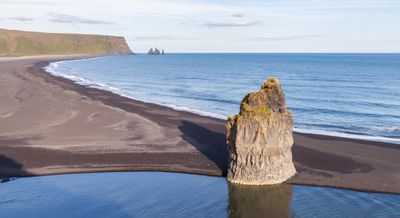
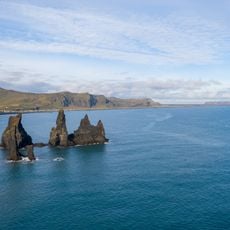
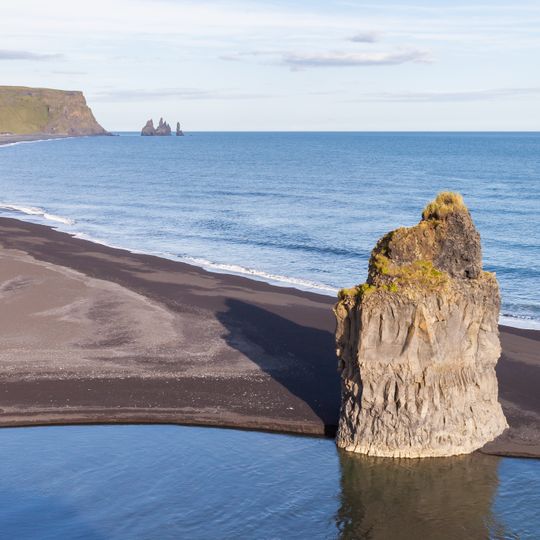
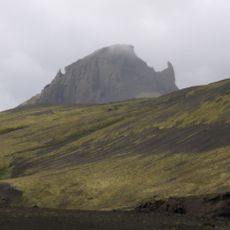
Black sand beach, Volcanic black sand beach in Vik, Iceland.

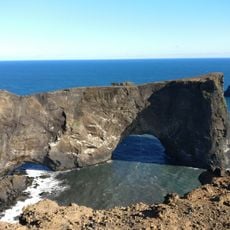
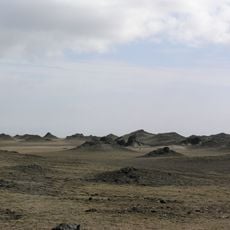
The beach is a coastal area in southern Iceland known for its dark volcanic sand, framed by tall basalt cliffs and sea stacks rising from the ocean. The landscape results from the volcanic forces that created much of Iceland's terrain.

The beach formed millions of years ago through intense volcanic activity that shaped Iceland's southern coastline and created the basalt cliffs. The sea stacks are remnants of this same geological process.

The sea stacks offshore feature in local folklore as trolls turned to stone by the sunrise while attempting to pull a ship ashore. These legends remain deeply rooted in how people here think about this landscape.

The beach sits in a rough coastal environment with strong waves and cold water, so caution near the water's edge is necessary. Visitors should expect rapid weather changes and wear sturdy footwear.

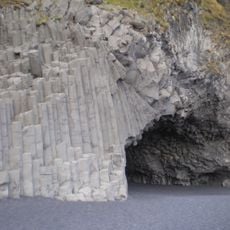
The black sand contains natural hexagonal basalt columns formed by rapid cooling of lava, creating geometric patterns visible in the cliff faces. This columnar formation appears in few other beaches worldwide.

GPS coordinates: 63.40440,-19.06900

Latest update: December 6, 2025 17:48

Secret beaches in Europe: secluded shores, natural formations, coastal trails

Europe's most secluded beaches offer access to natural coastal environments that remain undeveloped due to their distance from major tourist centers. These locations span from the volcanic black sands of Iceland's southern shores to the pink-tinted beaches of southwestern Crete, formed from crushed seashells. Many require hiking through nature reserves or boat transfers to reach. Protected coastlines feature distinct geological characteristics: limestone cliffs eroded into natural arches along Portugal's Algarve, basalt columns rising from Norwegian fjords, and serpentine rock formations containing high magnesium content in Cornwall. The beaches exist within varied ecosystems, from Mediterranean scrubland surrounding Sicilian coves to Arctic conditions where granite mountains shelter narrow sand stretches in the Lofoten archipelago. These sites attract visitors seeking alternatives to developed resort areas. Access methods range from tidal passages through stone arches in Galicia, where water levels determine entry times, to unpaved tracks crossing the Desert of Agriates in Corsica. Several beaches change appearance based on natural forces: the Croatian peninsula of Zlatni Rat shifts its contours according to wind and wave patterns, while shallow lagoons in Greece allow wading between mainland and offshore islands. The locations provide opportunities for activities including snorkeling among underwater rock formations, observing seabird colonies nesting in coastal cliffs, and exploring cave systems revealed during low tide periods.

The most impressive viewpoints in the world

From the highest peaks to coastal cliffs, this collection brings together geographically significant observation points across all continents. The locations offer views of mountain ranges, waterfalls, deserts, oceans, and notable architectural structures. The selection includes the Great Wall near Beijing, the Cliffs of Moher above the Atlantic, the Grand Canyon in Arizona, and Mount Everest on the Nepal-Tibet border. Among the waterfalls are Iguazú Falls between Brazil and Argentina, Victoria Falls between Zambia and Zimbabwe, and Niagara Falls between Canada and the United States. The Pyramids of Giza, the Alhambra in Granada, and the Taj Mahal in Agra showcase important architectural achievements from different eras. Natural formations such as Uluru in the Australian outback, Halong Bay in Vietnam, Banff National Park in the Canadian Rockies, and the Norwegian fjords demonstrate Earth's geological diversity. Additional locations include Santorini in the Aegean Sea, the Amazon rainforest, Horseshoe Bend on the Colorado River, Petra in Jordan, Mount Kilimanjaro in Tanzania, the Fitz Roy range in Patagonia, and Plitvice Lakes National Park in Croatia.

The Best Spots in Iceland and Reykjavik

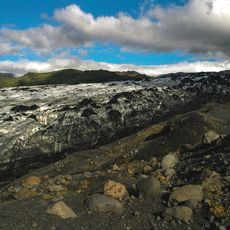
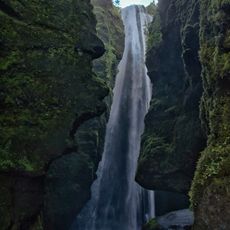
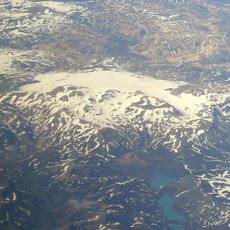
Iceland is an island shaped by ice and fire. Glaciers cover much of the interior while geothermal areas show that something is always happening beneath the surface. The landscapes here look different from most places: black sand beaches formed by volcanic activity, fjords cutting deep into the coast, waterfalls dropping over cliffs and canyons with moss covered walls. Vatnajökull in the southeast is Europe's largest glacier, while smaller ice caps like Snæfellsjökull or Drangajökull have their own character. Reykjavik sits by the ocean and mixes city life with access to nature. The Harpa concert hall stands by the harbor, Hallgrímskirkja church rises above the rooftops, and along the shore you find the Sólfar sculpture. Lake Tjörnin lies in the center of town. Outside the city, routes lead to natural sites: the Blue Lagoon with its milky blue water, Strokkur geyser that erupts every few minutes, Gullfoss waterfall where a river plunges into a canyon. The southern coast shows different faces. Near Vík there is Reynisfjara beach with its basalt columns and black sand, and not far away the cliff at Dyrhólaey. Diamond Beach near Hornafjörður is scattered with ice chunks washed up by the sea. In the north, Lake Mývatn attracts visitors with its volcanic surroundings, while the Westfjords with the Hornstrandir reserve and the red sand of Rauðasandur beach belong to the more remote parts of the country. The Ring Road connects most of these places and circles the entire island.

Reviews

Visited this place? Tap the stars to rate it and share your experience / photos with the community! Try now! You can cancel it anytime.

« Black sand beach - Volcanic black sand beach in Vik, Iceland » is provided by Around Us (aroundus.com). Images and texts are derived from Wikimedia project under a Creative Commons license. You are allowed to copy, distribute, and modify copies of this page, under the conditions set by the license, as long as this note is clearly visible.

Discover hidden gems everywhere you go!

From secret cafés to breathtaking viewpoints, skip the crowded tourist spots and find places that match your style. Our app makes it easy with voice search, smart filtering, route optimization, and insider tips from travelers worldwide. Download now for the complete mobile experience.
Around Us App Screenshot

A unique approach to discovering new places

Le Figaro

All the places worth exploring

France Info

A tailor-made excursion in just a few clicks

20 Minutes