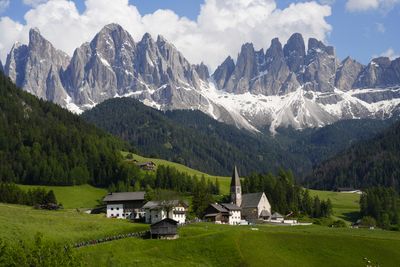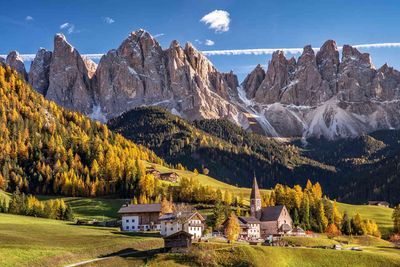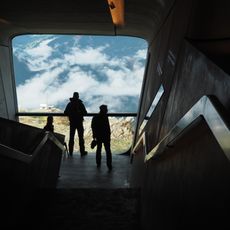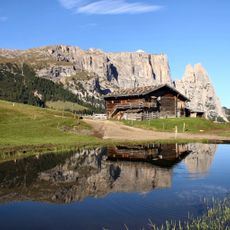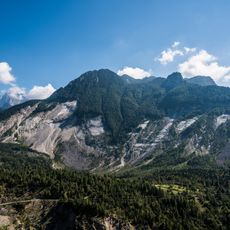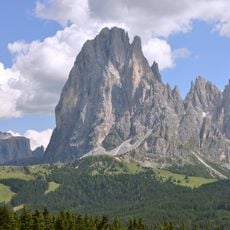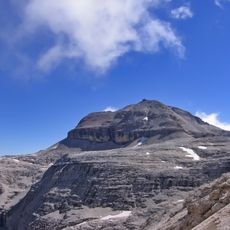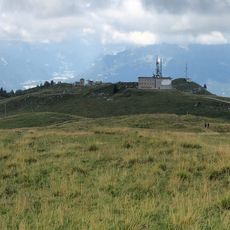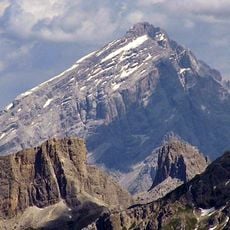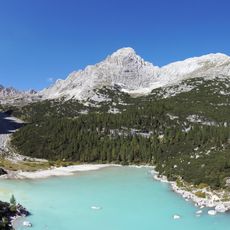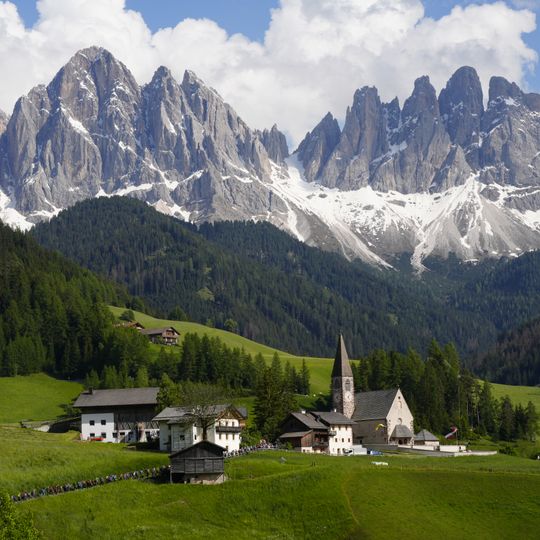
Dolomites, Mountain range in northeastern Italy
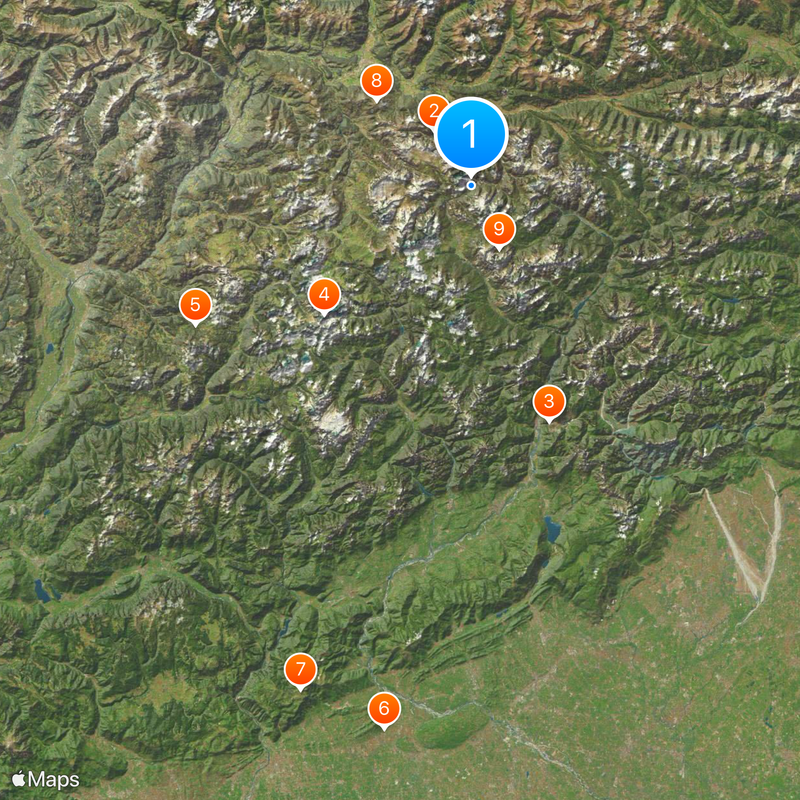
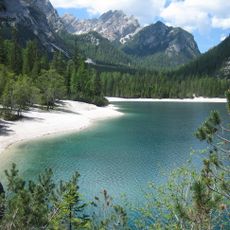
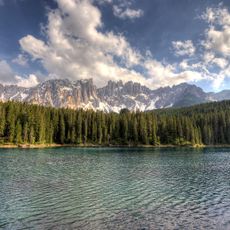
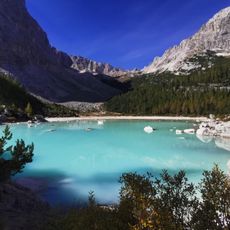
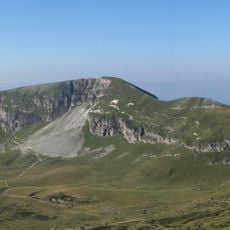
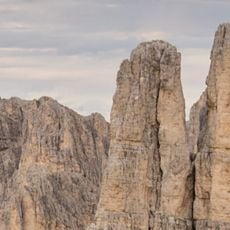
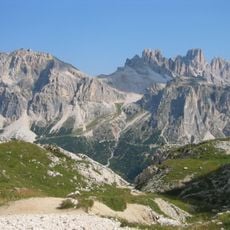
These limestone peaks rise across northeastern Italy between the Adige and Piave river valleys, with deep gorges, glaciers, and forests covering the slopes. The massif includes 18 major summits spread over 142,000 hectares, connected by high meadows and mountain villages.
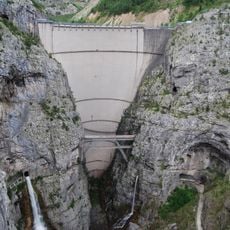
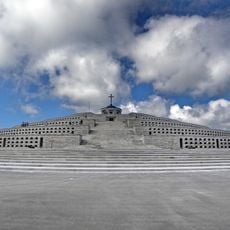
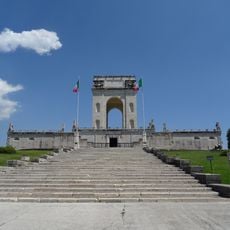
During the First World War, this territory formed a front line between Italian and Austro-Hungarian forces, leading to the construction of tunnels and fortifications. After the war the region became part of Italy while keeping its mixed cultural identity.
The area shows a mix of Italian and German speech, with three quarters of South Tyrol's residents using German in daily life. In mountain villages you often hear Ladin, an old Romance language still spoken by local communities.
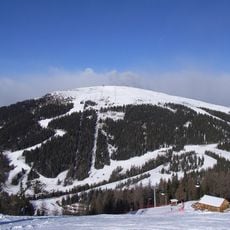
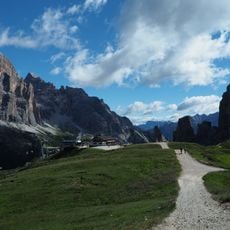
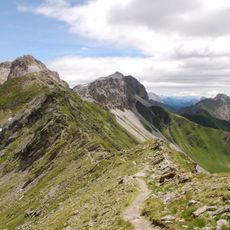
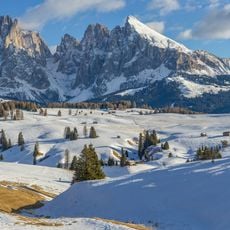
Winter brings 1,200 kilometers of ski runs across several resorts, with the best snow from December through March at elevations up to 3,342 meters (10,964 feet). In summer, marked trails cross meadows and allow access to most valleys and mountain passes.
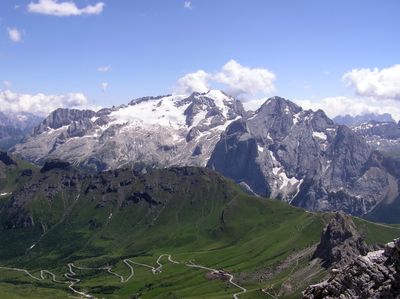
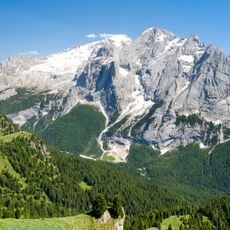
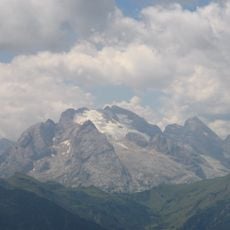
The Marmolada summit holds a southern rock wall that rises 610 meters (2,000 feet) and supports 41 separate glaciers across the range. At sunset the limestone walls turn pink to violet, a phenomenon locals call enrosadira.
The community of curious travelers
AroundUs brings together thousands of curated places, local tips, and hidden gems, enriched daily by 91,470 contributors worldwide.