Custonaci, Italian comune
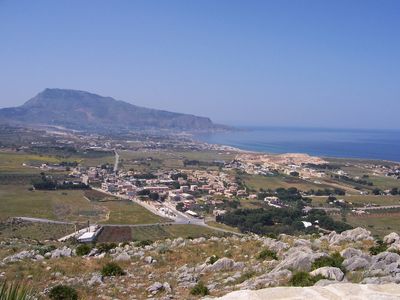
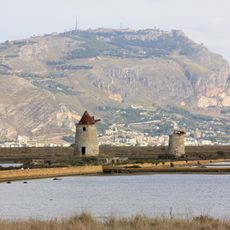
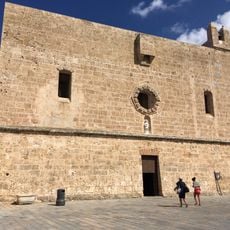
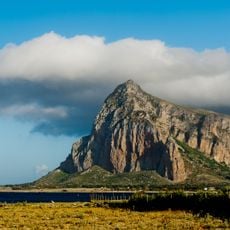
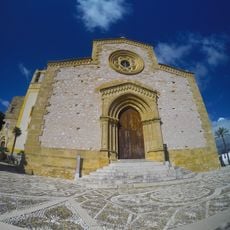
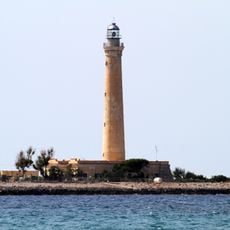
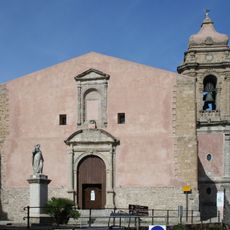
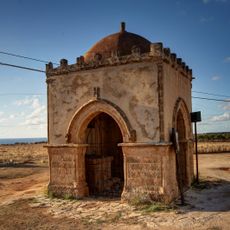
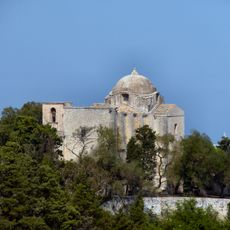
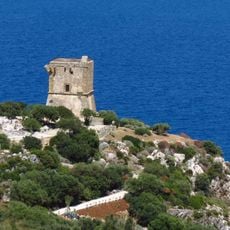
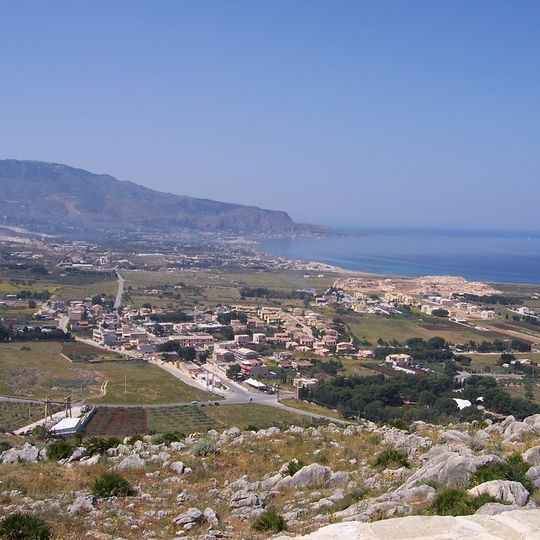
Custonaci is a small settlement on the slope of Monte Cofano in Sicily's Trapani Province, surrounded by a protected natural reserve. The town center is marked by the Sanctuary of Our Lady, a church with Gothic styling that houses a painting from around 1460 and baroque furnishings spanning multiple centuries.
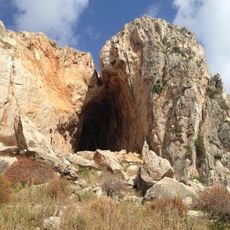
The settlement was established in the 1200s when King Frederick II granted land to settlers for developing the remote region, though the area had been inhabited since prehistoric times as evidenced by Paleolithic artifacts found in local caves. The town grew around the Sanctuary of Our Lady, which became a religious center after a painting of the Virgin Mary allegedly arrived from the sea in the late 1300s.
The town is known as the city of marble due to its centuries-old stone extraction tradition that shapes local identity. The veneration of Our Lady of Custonaci remains central to community life, particularly during the August celebrations when processions and festivities reflect this deep spiritual connection.
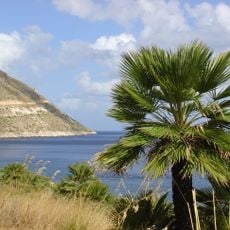
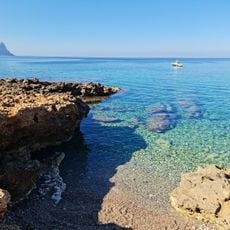
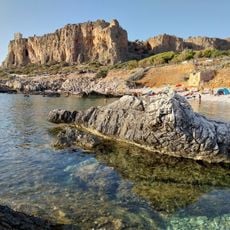
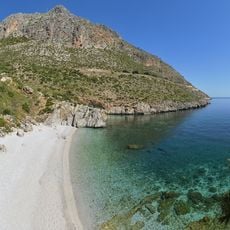
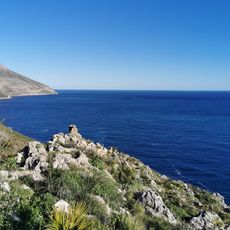
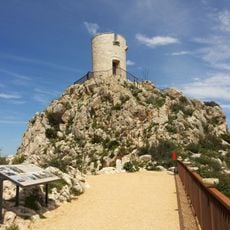
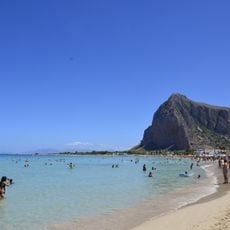
The town is compact and easily explored on foot since traffic is minimal and main attractions are close together, located conveniently between Trapani and San Vito Lo Capo. Nearby nature trails leading to Monte Cofano and the Baia di Cornino bay are accessible without special equipment, making for an unhurried visit.
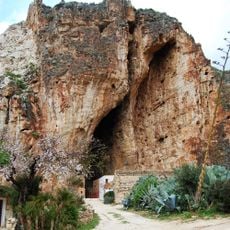
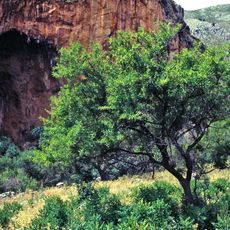
The Mangiapane cave housed a family until the 1950s who built homes, a bakery, and stables inside it, and today it hosts a living nativity scene at Christmas and a working museum in summer showing life from a hundred years ago. This remarkable domestic history hidden within the cave offers visitors an unexpected glimpse into resourceful family living.
The community of curious travelers
AroundUs brings together thousands of curated places, local tips, and hidden gems, enriched daily by 91,591 contributors worldwide.