Oppian Hill, Southern spur of Esquiline Hill in Rome, Italy.
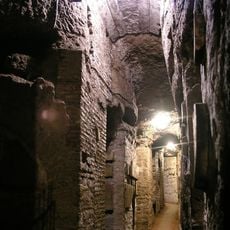
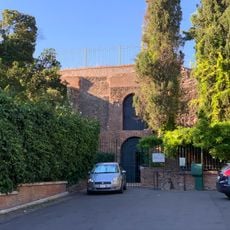
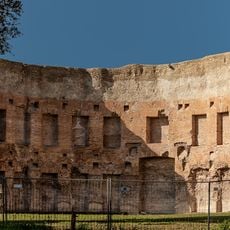
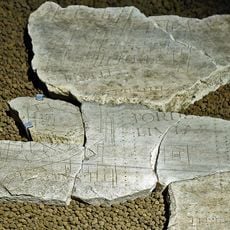
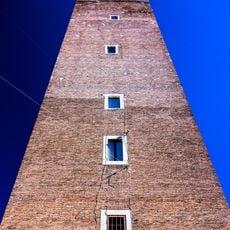
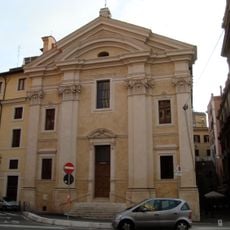
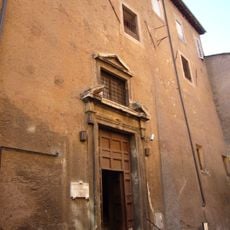
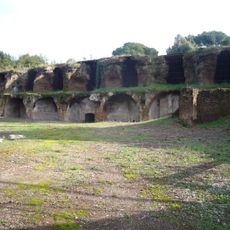
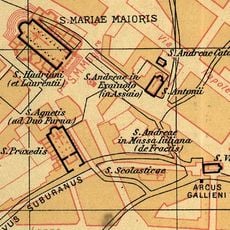
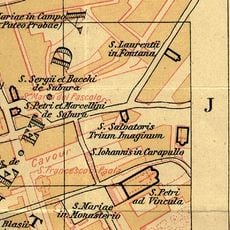
Oppian Hill is a southern extension of the Esquiline located between the Colosseum valley and the Suburra district, covering eleven hectares. The site contains remains of the imperial Domus Aurea palace, ancient bath complexes, archaeological excavations, and a modern park.
The name comes from Oppius, a citizen of Tusculum who aided Romans during a military campaign under King Tullus Hostilius. Later, the hill became home to Emperor Nero's lavish palace and was subsequently covered by the construction of Trajan's Bath complex.
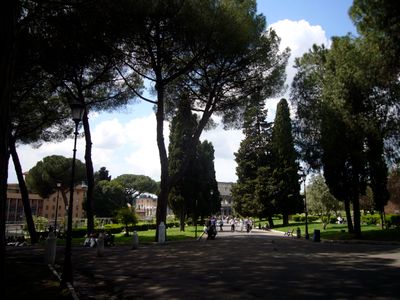
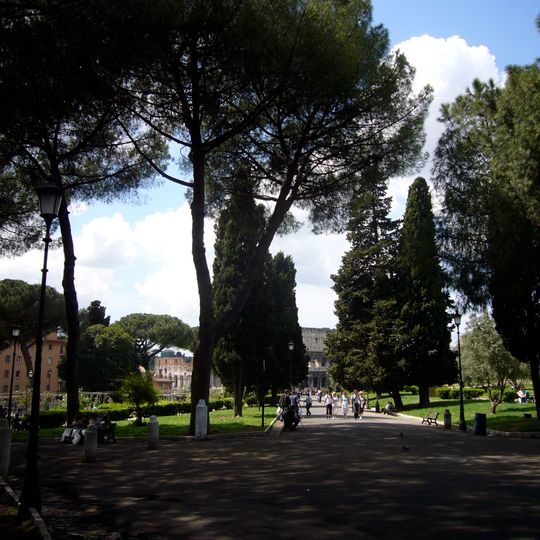
The park on this hill displays marble sculptures, fountains, and ornamental features designed in 1936 by architect Raffaele De Vico. Visitors can observe how Romans integrated artistic decorations into their public green spaces.
You can explore the underground palace remains through guided visits to see the ancient structures and layout. The modern park has walking paths and seating areas with views over the historical city below.
In the bath complex beneath the hill, workers uncovered a fresco showing a bird's-eye view of a walled port city. This rare artwork reveals how Romans painted detailed city plans and urban layouts.
The community of curious travelers
AroundUs brings together thousands of curated places, local tips, and hidden gems, enriched daily by 92,619 contributors worldwide.