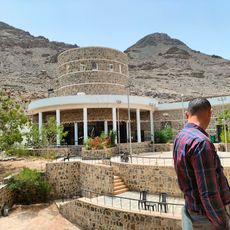
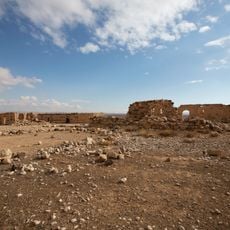
Khirbet ed-Dharih, Archaeological site in Ma'an Governorate, Jordan
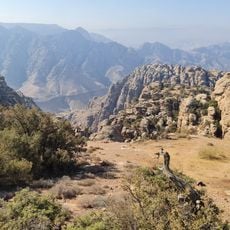
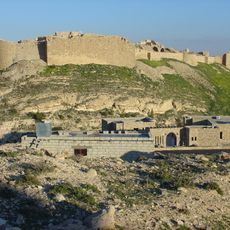
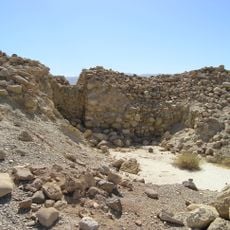
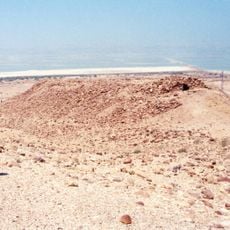
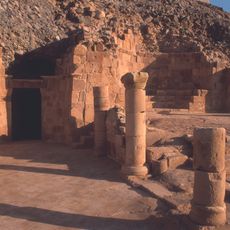
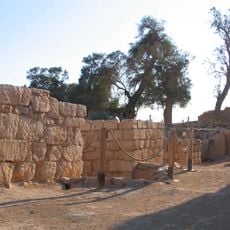
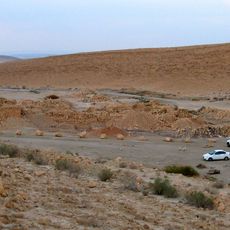
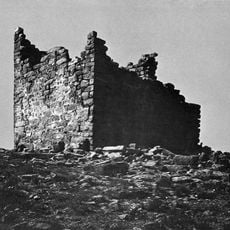
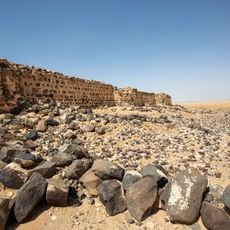
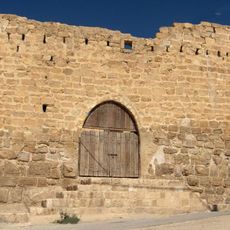
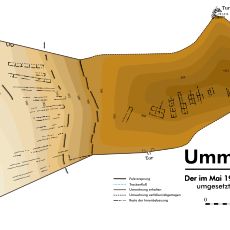
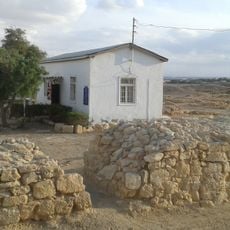
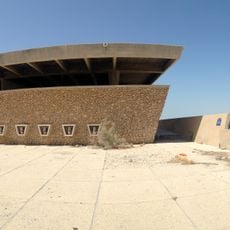
Khirbet ed-Dharih is an archaeological site in Ma'an Governorate containing the ruins of residential buildings, pottery shards, and tools used by inhabitants across many centuries. The remains reveal how different peoples occupied this location and built upon what came before.
The site was first discovered in 1818 by British naval officers C.L. Irby and James Mangles during their travels in the region. Scientific study since then has revealed that people from Nabataean, Roman, Byzantine, and Islamic periods all left marks on this location.
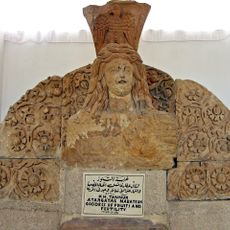
The site reveals layers of Nabataean, Roman, Byzantine, and Islamic settlement, each group leaving behind its own building styles and ways of living. Walking through the ruins shows how the community adapted to changes in rulers and beliefs over time.
The site is located in Ma'an Governorate and accessed through marked paths that can be rocky and uneven in places. Visitors should be prepared for the dry desert climate and bring adequate water since shade is limited throughout the area.
A spring called La'ban Spring near the site allowed residents to grow olives and grains in this dry landscape. This water source made it possible for people to establish permanent settlements where the desert would otherwise support little agricultural activity.
The community of curious travelers
AroundUs brings together thousands of curated places, local tips, and hidden gems, enriched daily by 91,770 contributors worldwide.