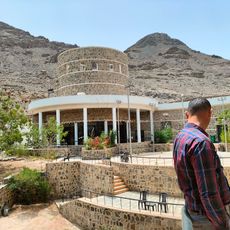
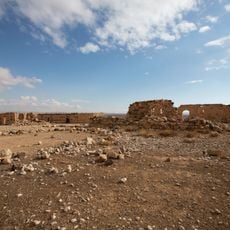
Khirbet et-Tannur, Nabataean temple ruins in Tafilah Governorate, Jordan
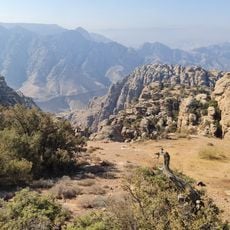
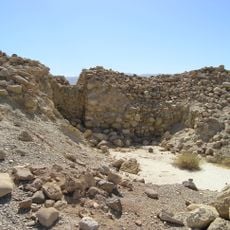
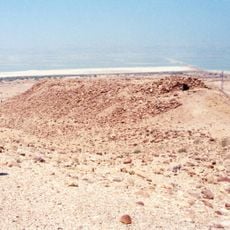
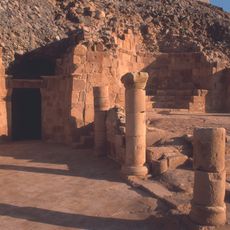
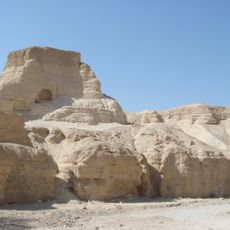
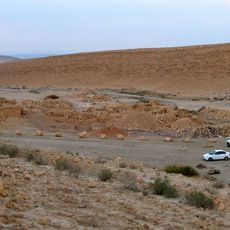
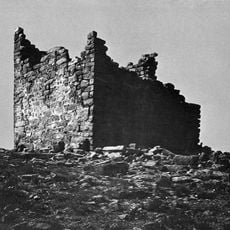
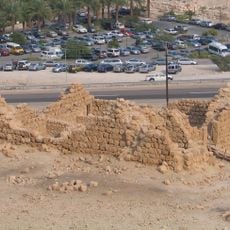
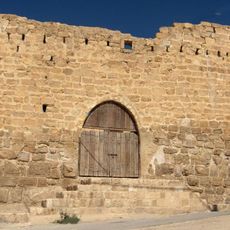
Khirbet et-Tannur is a Nabataean temple complex on Mount Tannur in Jordan, with stone remains arranged around a paved courtyard. The site sits at the junction of Wadi Hasa and Wadi La'ban valleys and shows how an ancient sanctuary was organized.
The earliest phase of the temple is usually dated to around 8–7 BC on the basis of an inscription engraved on a small stone block. Nelson Glueck dated the final phase, judging from the temple's sculptures and architectural principles, to about the first quarter of the 2nd century AD. The building thus passed through three phases.
The name Khirbet et-Tannur means "ruins of the oven" in Arabic. A statue found among the remains depicts the goddess Atargatis, deity of fruit and fertility, with an eagle on her head, which some researchers link to the Edomite god Qos. Ceramic, animal bone and charred plant remains show that eating and drinking practices here built shared social memory.
You can reach the site through a steep path from the southeast, so wear sturdy shoes and allow time for the climb. Many of the excavated objects are displayed at Jordan Archaeological Museum, so visiting there before or after adds to your understanding.
The only inscription naming a deity at the site refers to the Edomite god Qos, equated with the Arab sky god Quzah. A stone block bearing an inscription also anchors the earliest phase of the temple to around 8–7 BC.
The community of curious travelers
AroundUs brings together thousands of curated places, local tips, and hidden gems, enriched daily by 94,475 contributors worldwide.