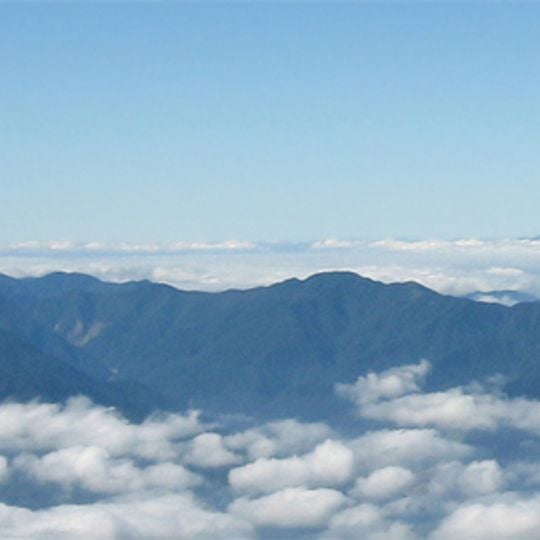
Japanese Alps, Mountain range in central Honshu, Japan
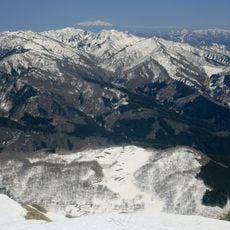
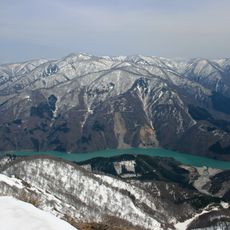
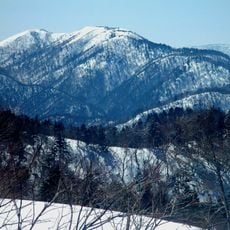
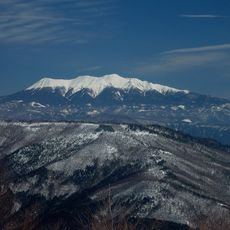
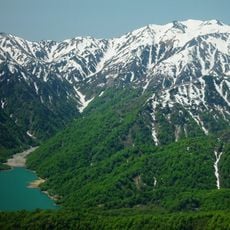
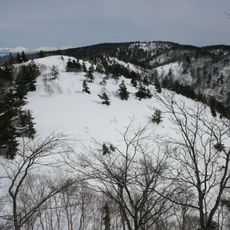
The Japanese Alps are a mountain formation of three parallel chains in central Honshu, spreading across six prefectures and including more than 20 peaks above 3000 m in elevation. The three ranges named Hida, Kiso and Akaishi form a natural dividing line between the Sea of Japan coast and the Pacific coast, with deep valleys and rivers running between the ridges.
An English archaeologist named William Gowland gave this mountain region its name in the 1860s, drawing a comparison to the European Alps. A few decades later, missionary Walter Weston popularized mountaineering here by publishing accounts of his climbs during the 1890s.
Local people often refer to these mountains by individual peak names rather than the western term, and hikers today follow marked paths that pilgrims have used for centuries. In higher villages, families work small fields on steep slopes and celebrate autumn harvest festivals that mark the coming snow season.
During winter months, several ski resorts operate, while in summer, many hiking trails cross the valleys and passes. The Tateyama Kurobe Alpine Route in the northern section allows a crossing using different vehicles without the need for long climbs on foot.
Until 2012, scientists believed Japan had no permanent glaciers, but then seven small ice formations were discovered on Mount Tsurugi. This finding changed understanding of the island nation's alpine climate and shows that ice can survive even at lower latitudes.
The community of curious travelers
AroundUs brings together thousands of curated places, local tips, and hidden gems, enriched daily by 90,776 contributors worldwide.