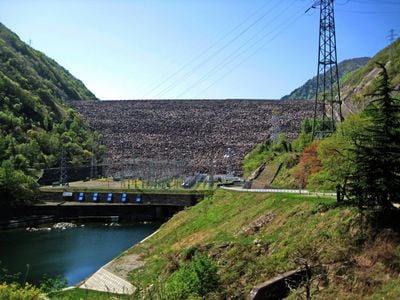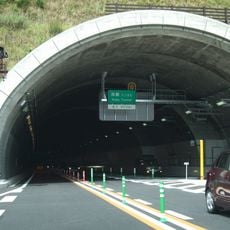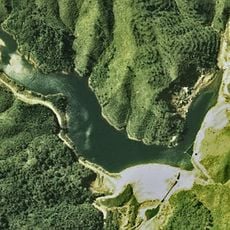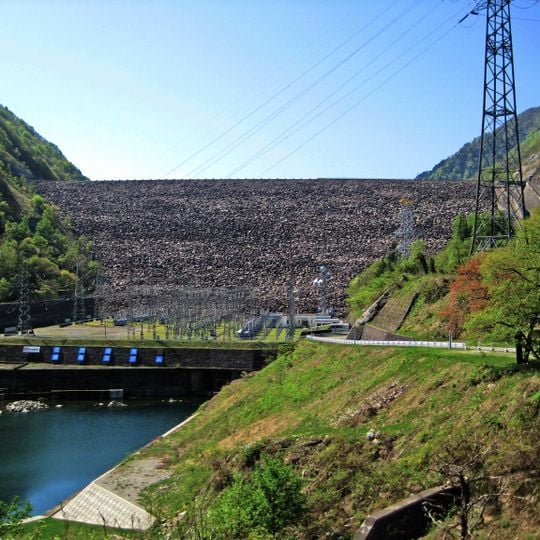
Miboro Dam, Rock-fill dam in Shirakawa, Japan.
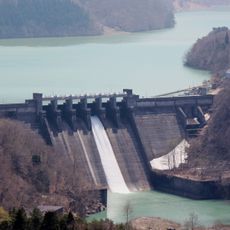
The Miboro Dam stretches 405 meters (1,329 feet) across the Shō River and rises 131 meters (430 feet) high. The structure uses three different spillway systems to manage the water level in the large mountain lake.
Between 1957 and 1961, the dam was built, leading to the relocation of 1,200 people and the loss of over 200 traditional houses. The project fundamentally changed the landscape and made several old settlements permanently uninhabitable.
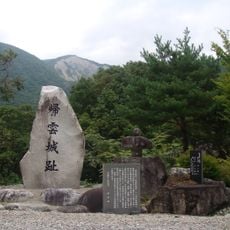
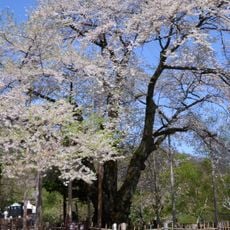
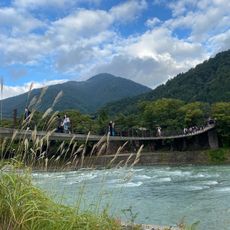
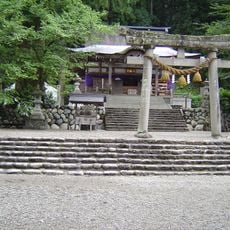
The name Miboro comes from the village that disappeared beneath the reservoir when the lake formed. The two cherry trees from the local shrine now grow in Shirakawa-go, keeping the memory of that former life alive.
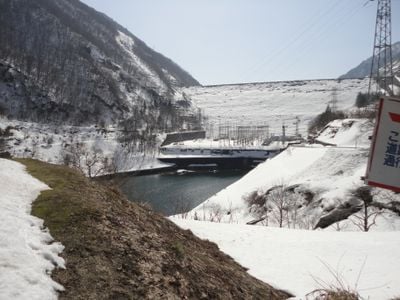
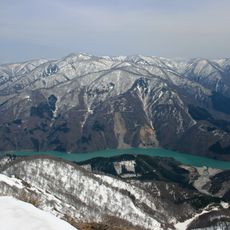
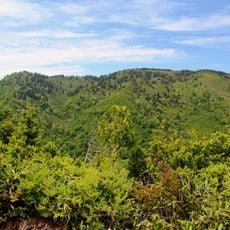
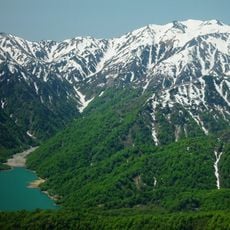
The dam sits along a mountain road between steep slopes, offering views across the reservoir and surrounding forest. Winter snow can make access more challenging, while autumn and spring bring calmer conditions.
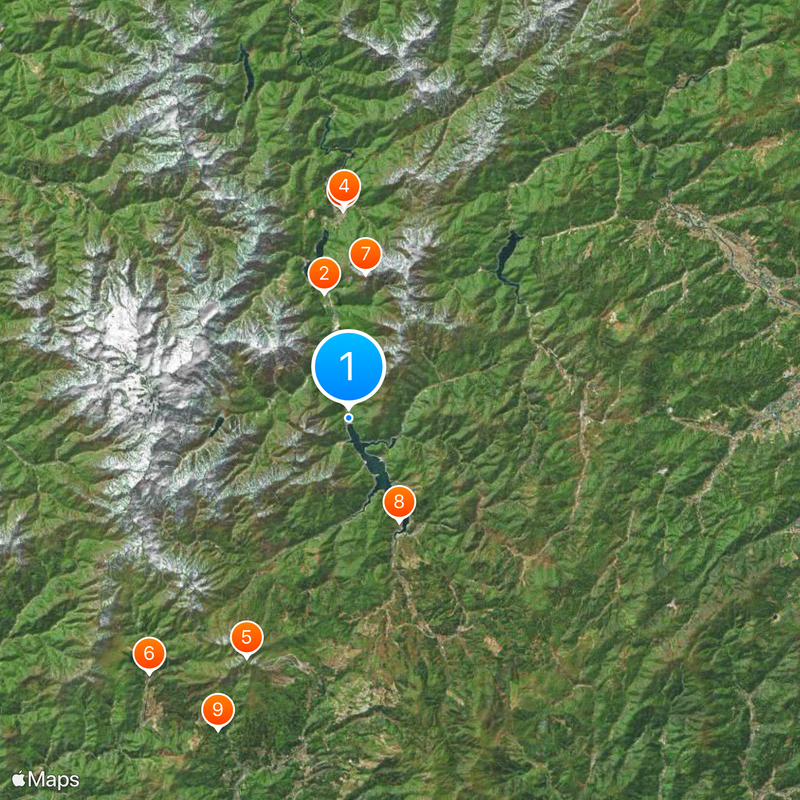
The reservoir holds 370 million cubic meters of water, making it the uppermost of nine dams along the Shō River. Two Francis turbines at the facility generate 256 megawatts of electricity for the surrounding regions.
The community of curious travelers
AroundUs brings together thousands of curated places, local tips, and hidden gems, enriched daily by 91,382 contributors worldwide.