Chikugo Province, Ancient Japanese province in Kyushu, Japan
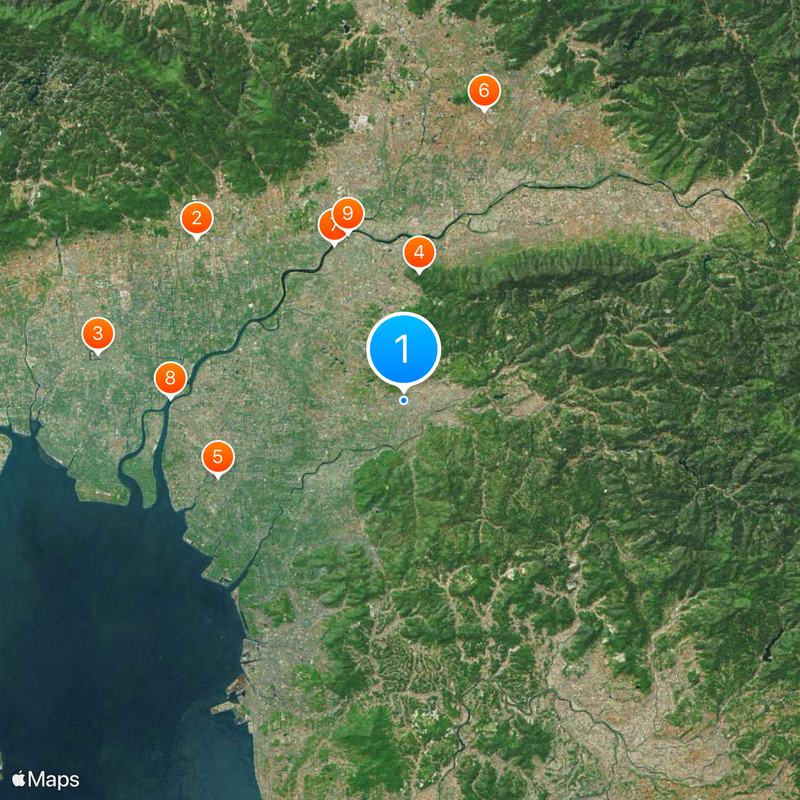
Chikugo was an ancient Japanese province on Kyushu that extended across the southern portion of present-day Fukuoka Prefecture. The territory encompassed about 789 villages during early administrative records and maintained productive agricultural lands throughout its span.
The province was divided during the Tokugawa period between the Arima clan controlling the north and the Tachibana clan holding the south. This arrangement created two separate administrative systems that shaped regional development for centuries.
The region served as a major center for rice farming and trade, shaping how communities organized their work and markets. Local settlements depended heavily on agricultural cooperation and river commerce, which influenced social ties among families.
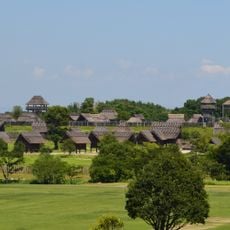
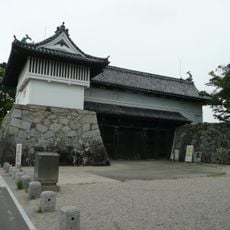
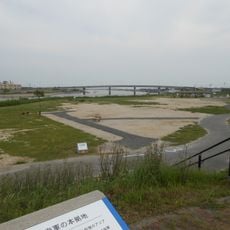
The administrative center once stood near present-day Kurume, where archaeological remains are now designated as a National Historic Site for visitors to explore. Walking through the area gives a sense of where local governance and settlement patterns developed over time.
The province was economically productive and generated about 536.851 koku of rice during the Tokugawa period, reflecting the quality of its irrigation systems. This high yield demonstrated how effectively farmers managed water and land in this region.
The community of curious travelers
AroundUs brings together thousands of curated places, local tips, and hidden gems, enriched daily by 90,777 contributors worldwide.