Fujiwara-kyō, Archaeological capital ruins in Kashihara, Japan
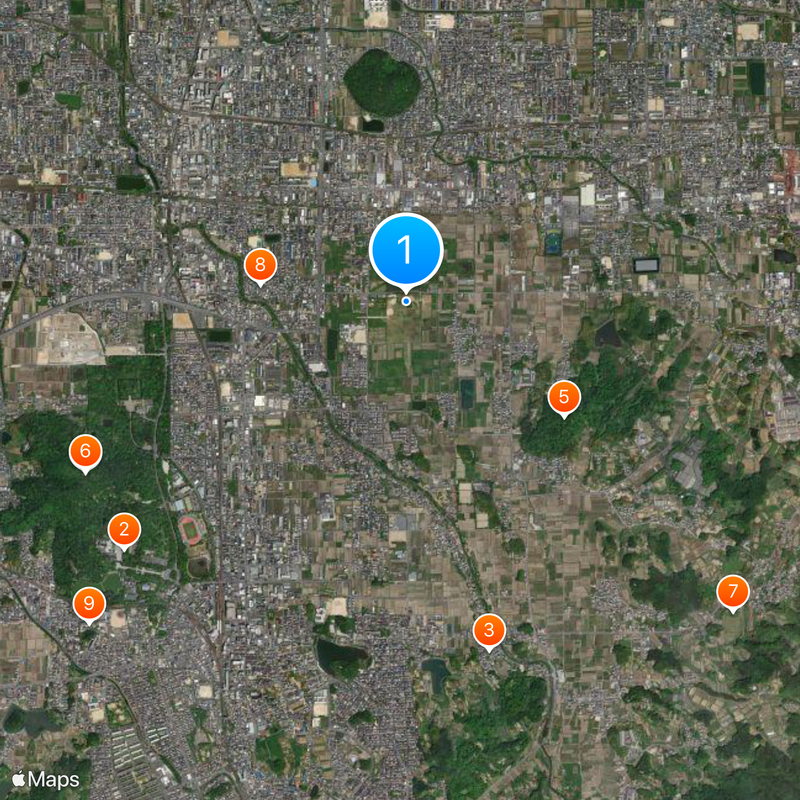
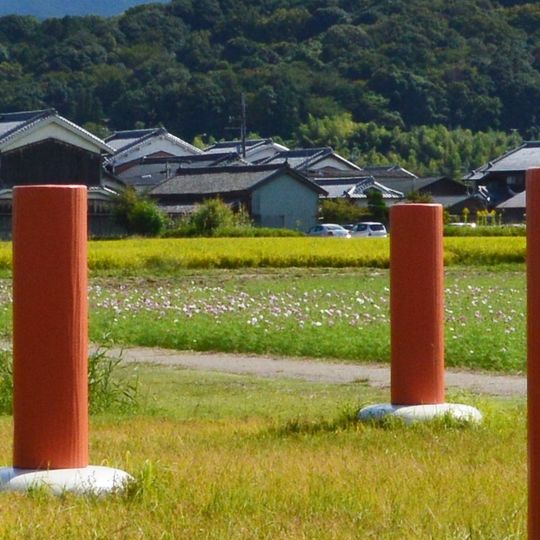
Fujiwara-kyō is an archaeological excavation site in Kashihara, Japan, with exposed foundations of a former government center. The central palace area sits surrounded by open fields, and markers show the position of former gates and grid streets.
Construction began during Emperor Tenmu's reign around 682 and became the seat of the court under Empress Jito from 694. The move to Heijō-kyō in present-day Nara followed after only 16 years of use in 710.
The name comes from the Fujiwara aristocratic family who established their political influence here. Visitors today see stone and clay foundations showing the transition from native building styles to Chinese-influenced structures.
An information center on the site displays finds and models of the original city layout. The foundations are spread across open land, so comfortable shoes help when exploring the excavation areas.
Excavations unearthed over 10,000 inscribed wooden tablets containing administrative notes and letters from the 7th century. These tablets reveal names of ordinary officials and everyday matters not recorded in formal chronicles.
The community of curious travelers
AroundUs brings together thousands of curated places, local tips, and hidden gems, enriched daily by 90,759 contributors worldwide.