Hōki Province, Ancient administrative province in western Honshū, Japan
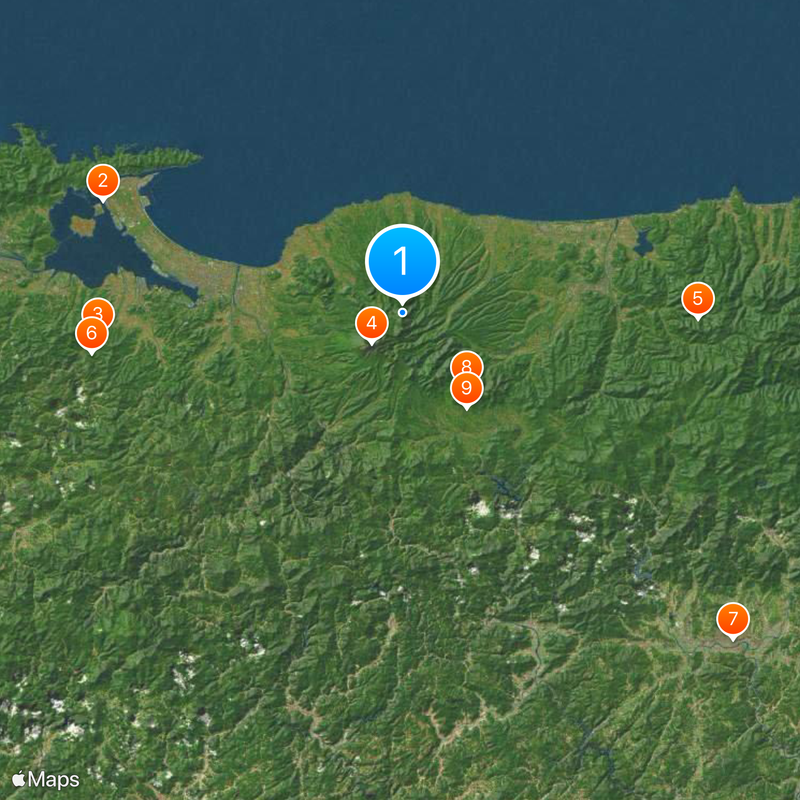
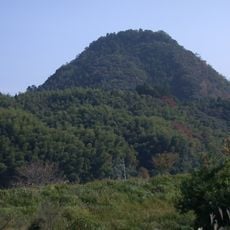
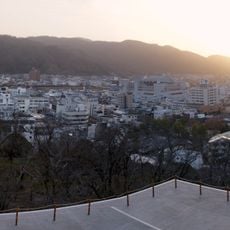
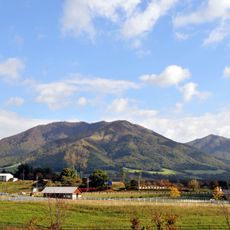
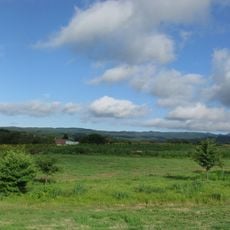
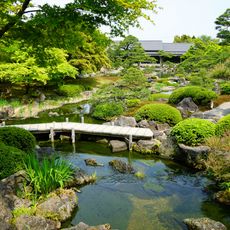
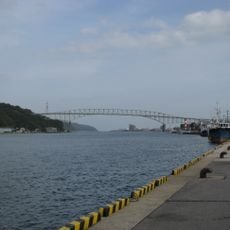
Hōki is a historic administrative unit in the western part of the main island, stretching along the coast and bordered by mountains inland. The area includes flat coastal plains, forested hills, and valleys that were once linked by roads and rivers.
The region was established as a separate administrative unit during the Asuka era and served as a hub along major overland routes. It later lost its official function when the administrative system was reorganized.
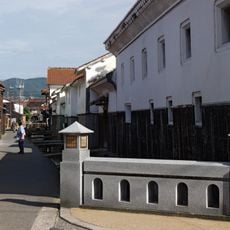
The name comes from old characters referring to fertile soil and abundant harvests, which is why the area remains closely linked to farming traditions. Today visitors still see rice paddies and rural settlements that recall centuries of cultivation.
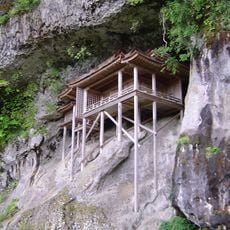
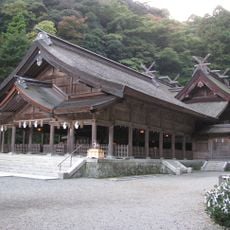
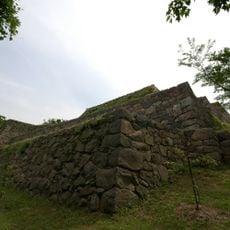
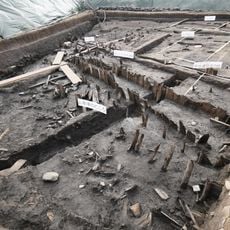
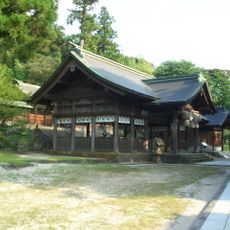
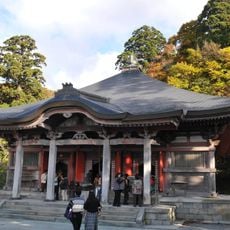
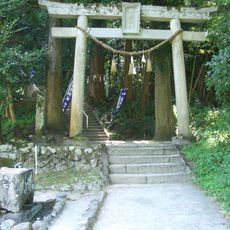
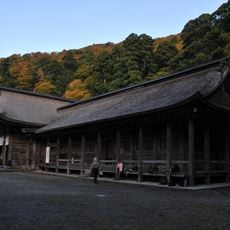
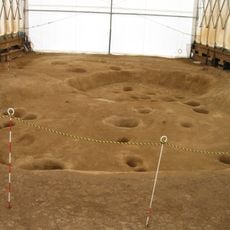
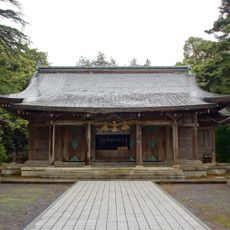
Visitors find scattered remains of old structures and burial mounds throughout the landscape, best explored in dry weather. Information boards at some sites provide context, but many locations are quiet and lack comprehensive visitor facilities.
Mythological texts place the grave of a creation deity here at the border with a neighboring region. This tradition makes the location a symbolic point in the origin myth of the country.
The community of curious travelers
AroundUs brings together thousands of curated places, local tips, and hidden gems, enriched daily by 92,087 contributors worldwide.