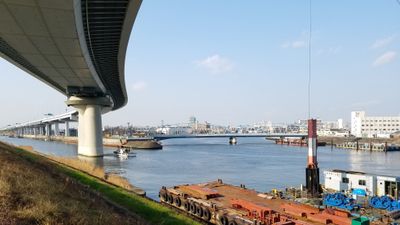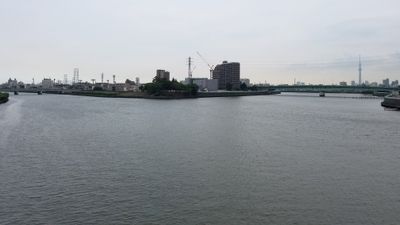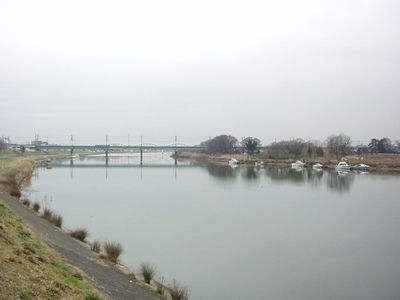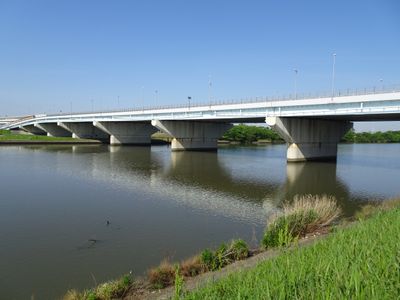
Naka River, River system between Saitama and Tokyo, Japan.
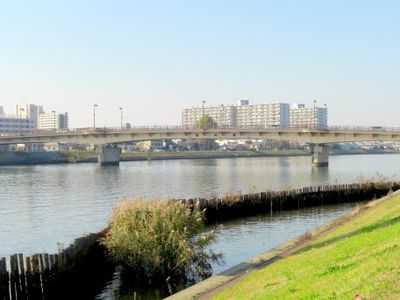
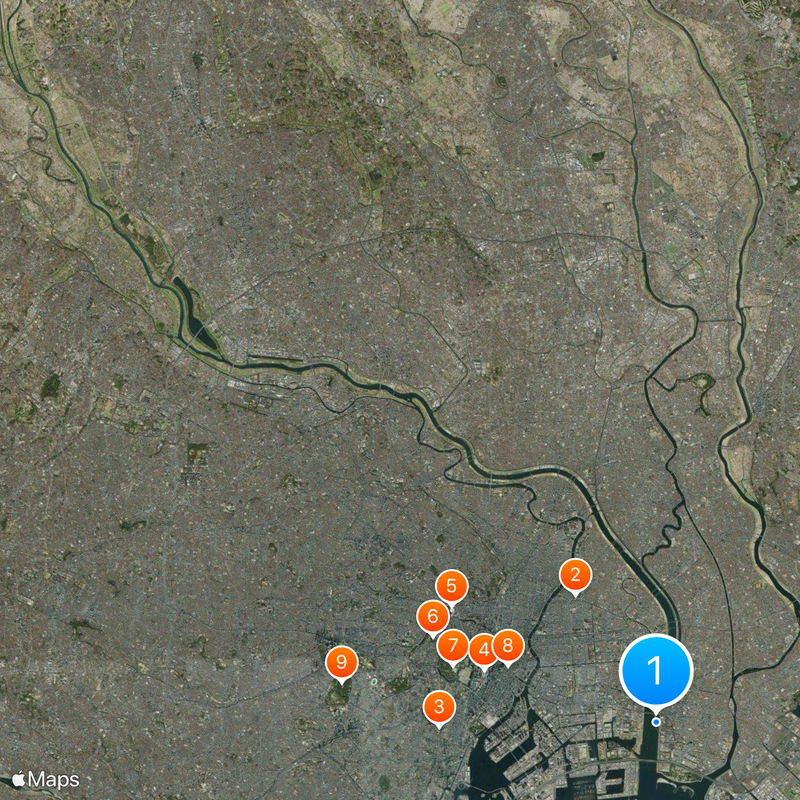
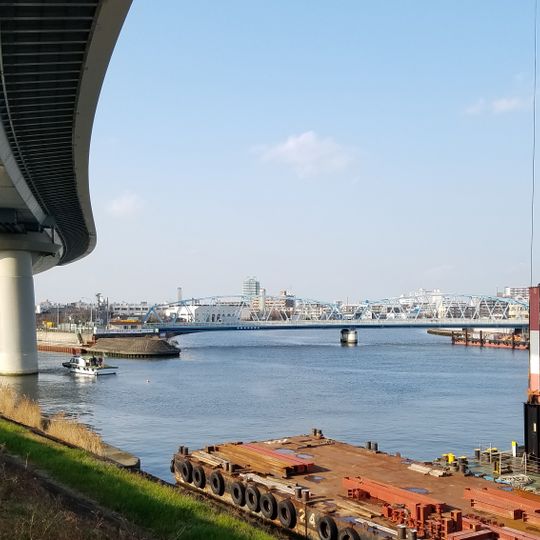
The Naka River is a waterway in eastern Japan spanning roughly 84 kilometers from Hanyu in Saitama Prefecture to the Edogawa district in Tokyo. Walking paths line both banks, making it easy to access and explore different sections of this river system.
The river formed through natural processes and became a major trade route during the Edo period, linking eastern Japanese regions. Its importance as a transportation corridor shaped settlement patterns and economic development along its course for centuries.
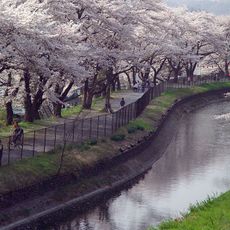
The river shapes daily life in surrounding communities, serving as a popular spot for walks, cycling, and quiet moments by the water. Locals gather along its banks for informal recreation and to enjoy time with family away from the city hustle.
Visitors will find walking paths along both banks that are easy to navigate on foot or by bicycle. Water levels and conditions may vary by season, so checking local conditions beforehand is helpful for planning longer explorations.
At several points, the river merges with other major waterways, notably the Arakawa River in the Edogawa district. These confluences form complex water systems that are critical for regional drainage and flood control.
The community of curious travelers
AroundUs brings together thousands of curated places, local tips, and hidden gems, enriched daily by 92,613 contributors worldwide.