Hanazono Shrine, Shinto shrine in central Shinjuku, Japan
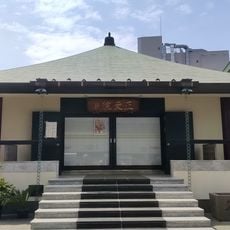
Hanazono Shrine stands at the top of a wide stone staircase in Shinjuku. Its main hall has a large curved roof with a copper-green patina that sweeps upward at the corners above a red-painted wooden facade. A red frame with a central gold ornament surrounds the entrance, where white zigzag paper streamers hang, and red lantern-like boxes sit at the stair edges.
The shrine moved to its current location during the Kan'ei era between 1624 and 1644 after leaving the site now occupied by Isetan Department Store. This relocation followed urban changes in the early Edo period as the area around Shinjuku developed as a post station along the Kōshū highway.
Merchants and visitors gather here during the November Tori-no-Ichi Festival to purchase kumade rakes adorned with symbols of good fortune. These decorative bamboo rakes carry charms meant to bring commercial success and are blessed in special ceremonies before being displayed in shops or homes.
The grounds open daily from 8 in the morning until 8 in the evening, with amulets and religious items available until 4:30 in the afternoon. The main entrance sits about 350 meters (1150 feet) from Shinjuku-sanchome Station and can be reached through side streets between larger commercial buildings.
The shrine grounds host the Tori-no-Ichi open-air market on Rooster Days in November, when decorative bamboo rakes called kumade are sold and blessed. The shrine also provided its precinct for the underground theater troupe Situation Theater, led by Kara Jūrō, to perform in a red tent in 1967.
The community of curious travelers
AroundUs brings together thousands of curated places, local tips, and hidden gems, enriched daily by 93,153 contributors worldwide.