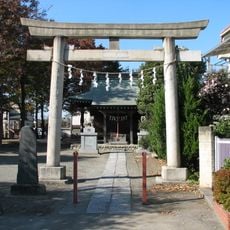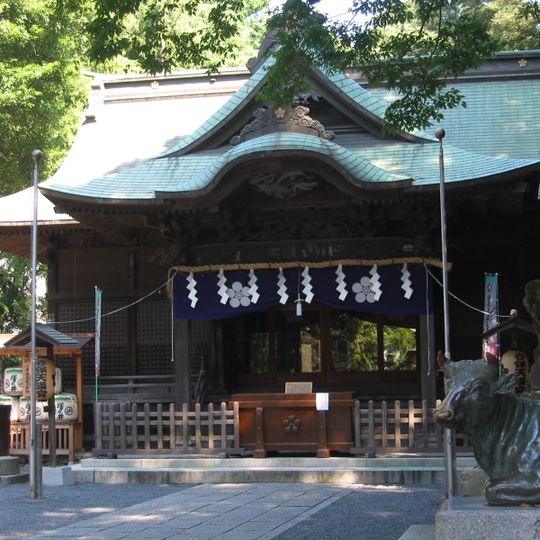
Yabo Tenman-gū, Tenmangū shrine in Yaho, Kunitachi, Tokyo, Japan
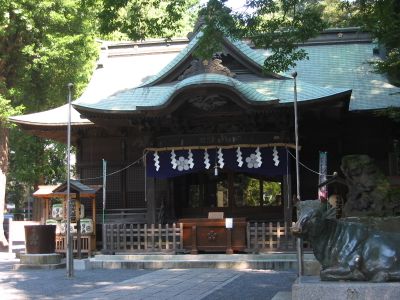
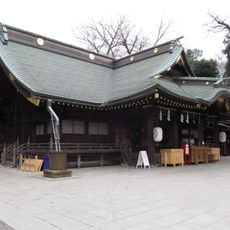
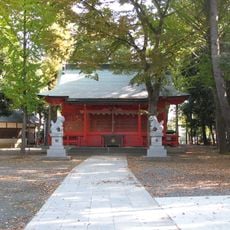
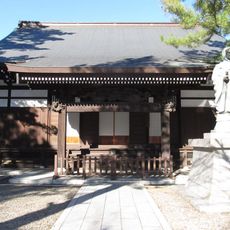
Yabo Tenman-gū is a Shinto shrine in Kunitachi, Tokyo, built on the Tama River terrace along the Kōshū Kaidō. Unlike most Tenman shrines, visitors descend stone steps from the road into a "sagari-miya" layout, with the main hall below street level. The grounds include a plum grove, a pond fed by the Tokiwa spring, and several small subsidiary shrines.
According to the shrine's own record, the Tenmangū Hikiengi, it was founded in 903 when Sugawara no Michizane's son Michitake carved a statue of his father and built a shrine to honor him. In 921 Michitake himself was enshrined alongside Michizane. The shrine claims to be the oldest Tenman shrine in eastern Japan.
The shrine's name is read "Yabo", though the nearby JR station is called "Yaho". A comic poem by Edo wit Ota Nanpo about "yabo no tenjin" is said to have given rise to the word "yabo" (boorish), though this is now considered a later invention. In March the plum grove along the Koshu Kaido hosts a plum festival.
The shrine sits on the Tachikawa escarpment above the Tama River, and the approach from the Kōshū Kaidō goes down stone steps into the grounds, a rare "descending shrine" layout for a Tenmangū. It is about five minutes on foot from Yaho Station on the JR Nambu Line, and there is a car park. The plum grove along the Kōshū Kaidō side hosts a plum festival each March.
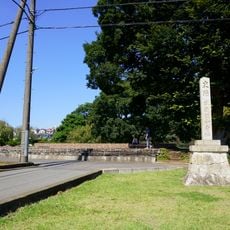
The shrine's name is properly read "Yabo", but the local railway station is called "Yaho" — the Nambu Railway chose that reading in the early 20th century, and the place name followed. A 1908 run along the Kōshū Kaidō, led by Prince Arisugawa Takehito's Darracq and three Japanese Takuri cars, is considered Japan's first motor tour; lunch was held in the shrine's plum grove, and a monument remains.
The community of curious travelers
AroundUs brings together thousands of curated places, local tips, and hidden gems, enriched daily by 93,317 contributors worldwide.