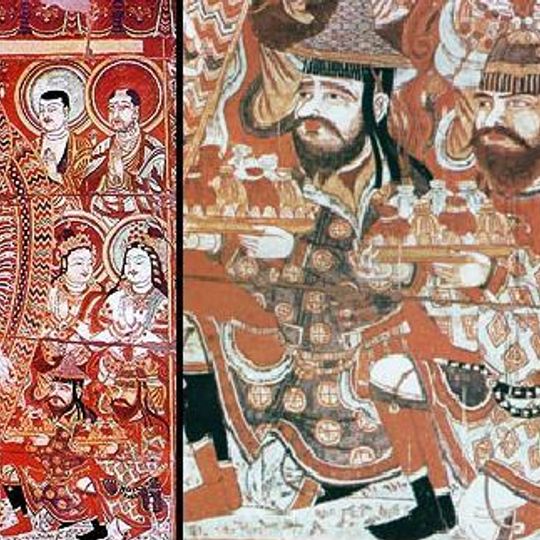
Suyab, Archaeological site in Chuy Region, Kyrgyzstan
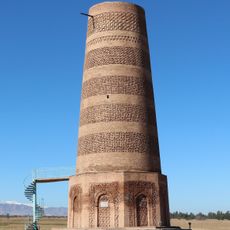
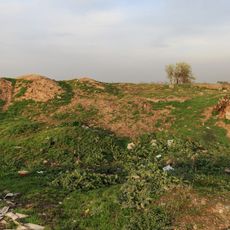
Suyab is an ancient city in the Chuy Region that spreads across about 30 hectares with scattered remains of fortifications, religious structures, and dwellings from multiple periods. Excavations have revealed foundations, wall fragments, and pottery that show how settlements here were organized and inhabited over centuries.
The city rose to importance in the 7th and 8th centuries as a key administrative center for the Western Turkic Khaganate, later serving as a military post under Tang Empire control. This shift from local leadership to external authority reshaped the city's role and daily operations.
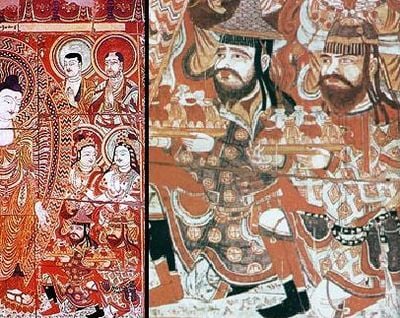
The ruins reveal layers of religious life that coexisted here: Buddhist temples, a Nestorian Christian church, and Zoroastrian burial grounds sit alongside one another. These structures show how faith traditions mixed and influenced each other along the trade networks.
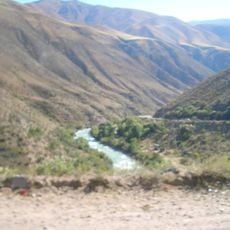
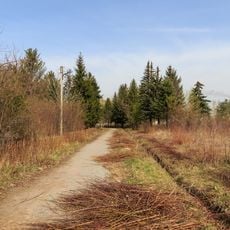
The site sits about 50 kilometers east of Bishkek, making it accessible for day trips or visits exploring the Chuy Valley. Visitors should prepare for uneven ground and scattered ruins spread across the landscape, as there are few marked pathways.
Chinese historical records suggest that the celebrated Tang Dynasty poet Li Bai was born here, linking this Central Asian site to the world of Chinese literature. This connection reveals how individual lives crossed the vast distances separating empires and cultures.
The community of curious travelers
AroundUs brings together thousands of curated places, local tips, and hidden gems, enriched daily by 92,656 contributors worldwide.