Balasagun, ancient Sogdian city in modern-day Kyrgyzstan
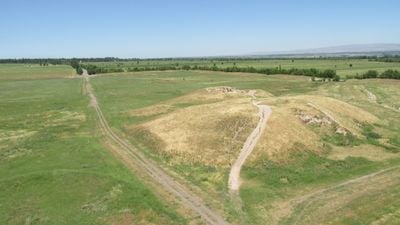
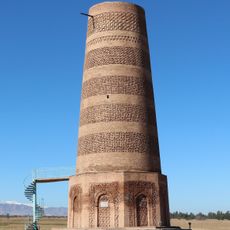
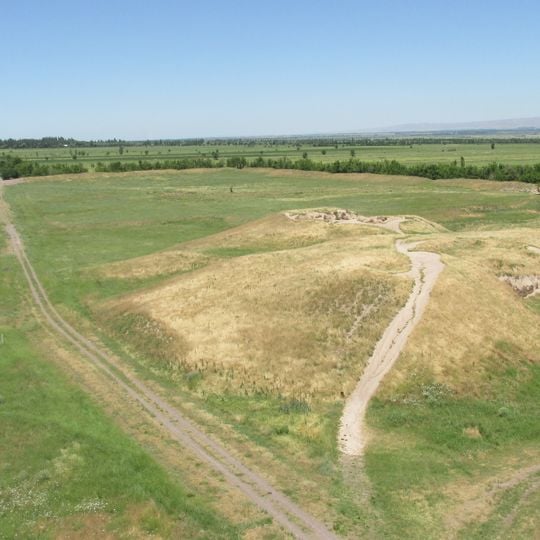
Balasagun is an archaeological site in the Chuy District of Kyrgyzstan where the ruins of an ancient city remain visible across open fields. The area contains scattered stone remains, building foundations, carved petroglyphs, and the distinctive Burana Tower, a tall cylindrical structure that originally served as a minaret.
Sogdian traders founded Balasagun as a commercial city to replace the older settlement of Suyab. In the 10th century it became the capital of the Kara-Khanid Khanate, a Turkic state, flourishing as a major Silk Road hub with markets and mosques. Mongol conquest in the early 13th century marked the beginning of its decline into a small village.
The name Balasagun may derive from Persian words meaning 'city with a great garden'. Walking through the ruins today, visitors sense the mix of cultures that once thrived here, where Sogdian, Turkic, and Christian communities coexisted and left traces in the stones and inscriptions scattered across the site.
The site is open and easy to explore on foot, with plenty of space to walk among the ruins and around the Burana Tower. Late spring or early autumn offers the most pleasant conditions for visiting, with moderate temperatures that make walking comfortable for extended periods.
The Burana Tower originally stood roughly 45 meters (150 feet) tall but was damaged by earthquakes and restored in the 1970s. Climbing to the top offers a sweeping view of the entire ruins and surrounding mountains, revealing how vast the ancient city once was from a perspective visitors cannot see from ground level.
The community of curious travelers
AroundUs brings together thousands of curated places, local tips, and hidden gems, enriched daily by 90,815 contributors worldwide.