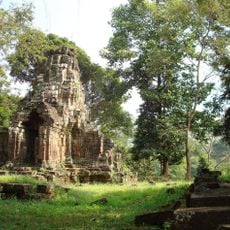
Baray, Archaeological water reservoir in Angkor, Cambodia.
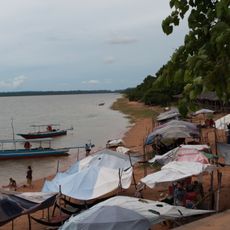
Baray is a rectangular artificial body of water typical of Khmer Empire architecture. The largest examples, the East Baray and West Baray in the Angkor area, each measure roughly five by one and a half miles and are oriented east–west. The reservoirs were built to hold water during the monsoon season and release it for irrigation in the dry season.
Engineers of the Khmer Empire built this water reservoir in the 11th century under King Suryavarman I as part of a larger water management strategy. The construction was vital for irrigating rice fields and supporting Angkor's expanding population.
The Khmer term baray (បារាយណ៍) names these rectangular reservoirs, and the largest examples lie in the Angkor area: the East Baray and West Baray, each about five miles by one and a half miles and oriented east–west. Historians disagree on their purpose: some read them as spiritual symbols of the Sea of Creation around Mount Meru, others as practical stores for drinking water and irrigation. Their construction resembles the dighi reservoirs of eastern India and Bangladesh.
The reservoir lies outside the main temple area and is most easily reached by tuk-tuk or bicycle from Siem Reap. Early morning and late afternoon offer the best light for viewing and photography, when the sun is lower in the sky.
The baray's function is still debated: some historians see it as a symbol of the Sea of Creation around Mount Meru in Hindu cosmology, others as a reservoir for drinking water and irrigation. Its building resembles the dighi reservoirs of eastern India and Bangladesh.
The community of curious travelers
AroundUs brings together thousands of curated places, local tips, and hidden gems, enriched daily by 93,617 contributors worldwide.