Seoul Sajikdan, Neo-Confucian altar in Sajik-dong, Jongno District, Seoul, South Korea
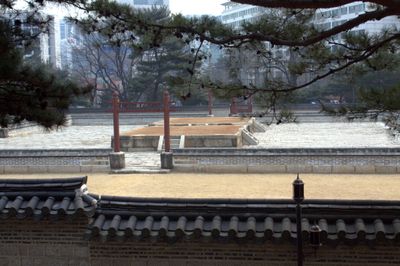
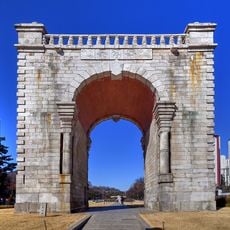
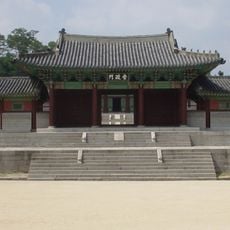
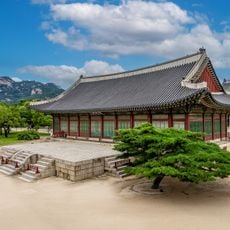
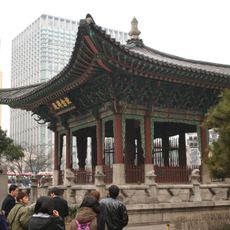
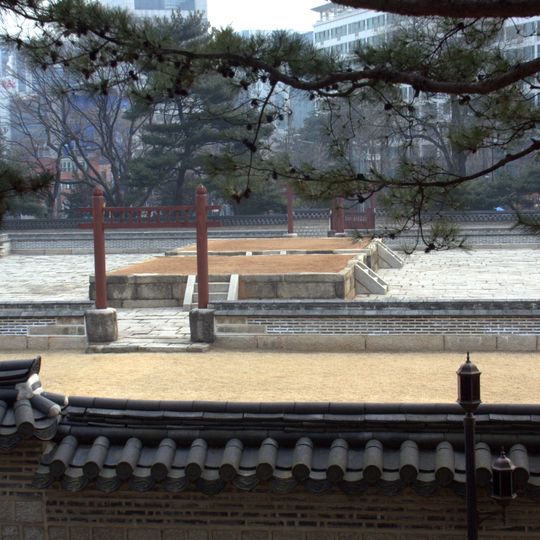
Seoul Sajikdan consists of two square altars named Sadan and Jikdan, each measuring 7.65 meters on all sides and surrounded by traditional walls and gates. The complex preserves its original spatial layout and traditional architectural features that remain visible and intact today.
Built in 1395 during the Joseon Dynasty, this shrine served as a ceremonial ground for offerings to earth and grain deities. It remained active until 1911, functioning as a central location for state and religious rituals during this time span.
The square layout of both altars reflects traditional Korean belief that earth manifests in square forms while heaven takes round shapes. This geometric distinction shapes how the sacred space is visually organized and experienced by visitors walking through.
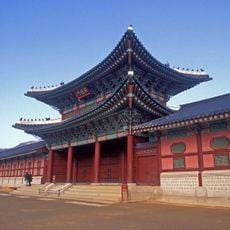
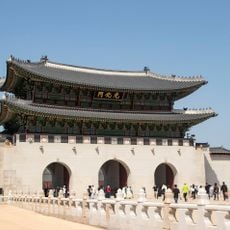
The shrine sits near Gyeongbokgung Palace in central Seoul and is easy to reach from main transport hubs. You can walk through the original structures, including the main altars and surrounding walls, to get a full sense of the space.
The two altars held separate ritual functions: Sadan in the east handled ceremonies for the earth deity, while Jikdan in the west served grain deity rituals. This functional division is visible in the spatial layout and reflects how carefully religious ceremonies were structured.
The community of curious travelers
AroundUs brings together thousands of curated places, local tips, and hidden gems, enriched daily by 60,000 contributors worldwide.