Bukhansan Monument, Stone stele in Yongsan-dong, South Korea
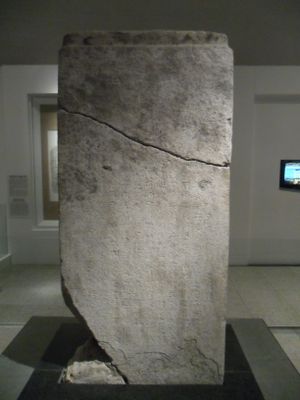
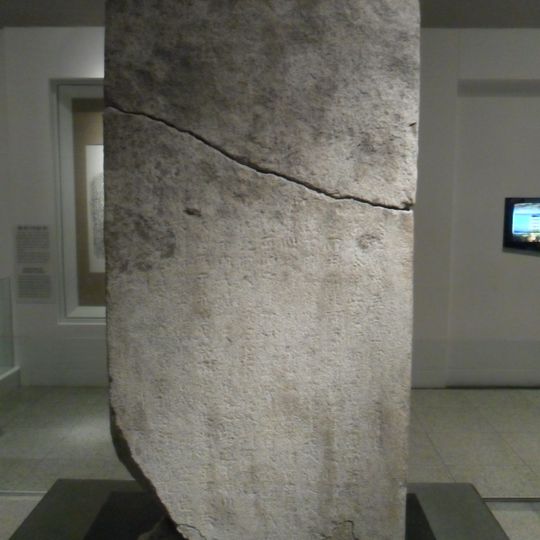
The Bukhansan Monument is a stone stele from the Silla kingdom, now kept at the National Museum of Korea in Seoul. It rests on a two-tiered rectangular base and its surface carries 12 lines of text with a total of 32 carved characters.
The stele was put up between 561 and 568 under King Jinheung to record Silla's push into the Han river valley. It is one of the few surviving stone records of that kingdom's growth during this period.
The inscription is written in a script style used for royal records in the 6th century, showing how Silla communicated its authority over new territories. At the museum, visitors can look closely at the individual characters and notice the care taken in carving each one into the stone.
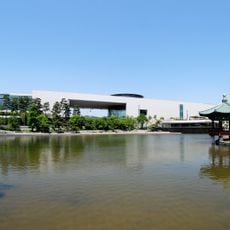
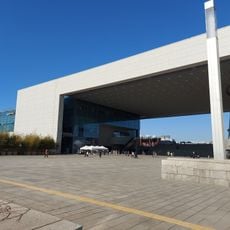
The stele is on display at the National Museum of Korea in Seoul, where it can be seen up close in the permanent collection. The museum is easy to reach by public transport and offers free general admission.
The stele sat unnoticed on Bukhansan mountain for centuries until the calligrapher Kim Jeonghui found it in 1816. Without that discovery, the text of the inscription might never have been read or studied.
The community of curious travelers
AroundUs brings together thousands of curated places, local tips, and hidden gems, enriched daily by 91,640 contributors worldwide.