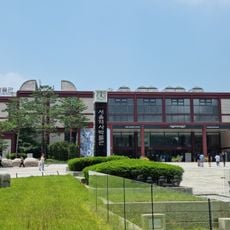
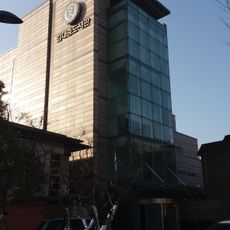
Seodaemun Museum of Natural History, Natural history museum in Yeonhui-dong, South Korea.
The Seodaemun Museum of Natural History is a natural history institution in Seoul housing thousands of taxidermied animals, preserved plants, and rock samples. These specimens come from across the Korean peninsula and show the region's biological and geological diversity.
It was established in 2003 as a response to environmental concerns during South Korea's rapid industrial growth. The museum's creation reflected a growing desire to document and protect the country's natural heritage.
The museum's name comes from Seodaemun-gu, the district that founded and runs it. Its galleries are organised by theme, from the human and nature hall with a Han River fish aquarium to the life evolution hall, where a stromatolite from the west coast and another donated by researcher Mun Gyeong-su after he brought it from Western Australia are displayed.
The museum is near public transportation and offers parking for visitors. You can easily reach it and should allow adequate time to walk through the collections at your own pace.
The dinosaur skeletons in the first-floor central hall are casts, not excavated finds: the Acrocanthosaurus and the pterosaur Pteranodon are displayed as replicas, and a Tyrannosaurus rex replica was added more recently. The museum also displays stromatolites, layered striped rocks formed by cyanobacteria, including one a museum researcher, Mun Gyeong-su, brought from Western Australia.
The community of curious travelers
AroundUs brings together thousands of curated places, local tips, and hidden gems, enriched daily by 94,226 contributors worldwide.