Jeonju Hanok Village, Traditional Korean village in Jeonju, South Korea
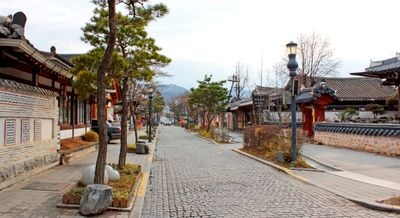
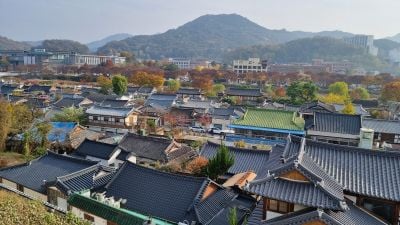
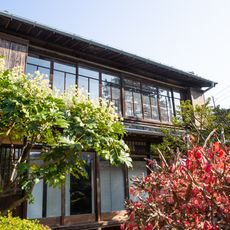
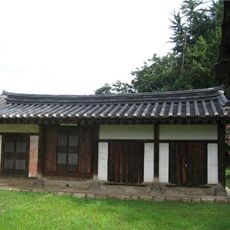
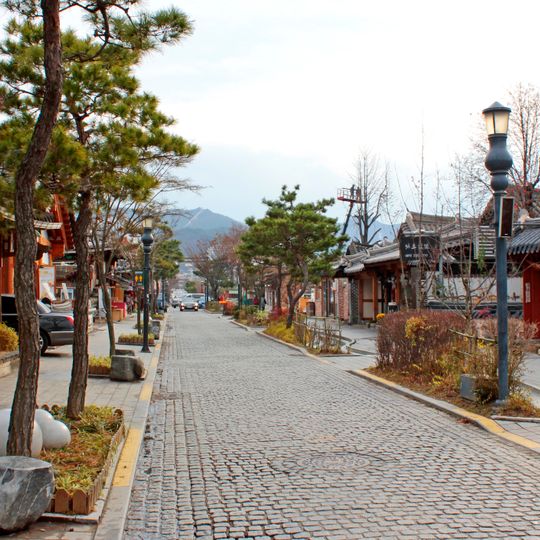
Jeonju Hanok Village consists of more than 800 traditional Korean houses with tiled roofs spread across Pungnam-dong and Gyo-dong neighborhoods. The buildings follow classic hanok construction methods with wooden frames, inner courtyards, and covered porches that shape how the place functions and looks.
The village gained importance during the Joseon Dynasty as Jeonju served as the spiritual capital and ancestral seat of the Yi royal family. This connection to the ruling dynasty shaped its development and status for centuries.
The community keeps traditional crafts alive through daily practice, with artisans demonstrating paper-making and other techniques visitors can watch firsthand. These working methods connect residents and travelers to the region's artistic heritage in a tangible way.
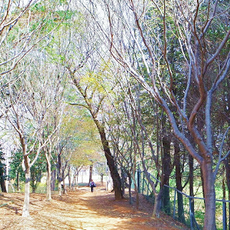
The village is best explored on foot or by rented bicycle, with numerous tea houses and guesthouses offering traditional floor sleeping arrangements. The flat terrain and narrow lanes allow visitors to walk at their own pace and discover various craft workshops and local shops along the way.
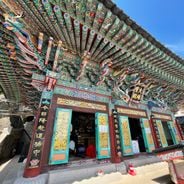
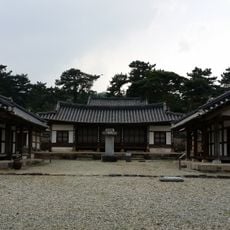
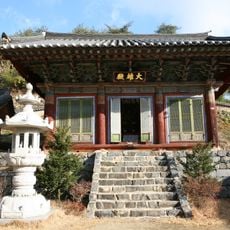
The Gyeonggijeon hall, built in 1410, houses the portrait of King Taejong marking the start of the Joseon Dynasty. This building receives fewer visitors than other sites in the village and offers a quieter perspective on the region's royal past.
The community of curious travelers
AroundUs brings together thousands of curated places, local tips, and hidden gems, enriched daily by 91,490 contributors worldwide.