Kayalyk, ancient seat in Kazakhstan, on the Silk road
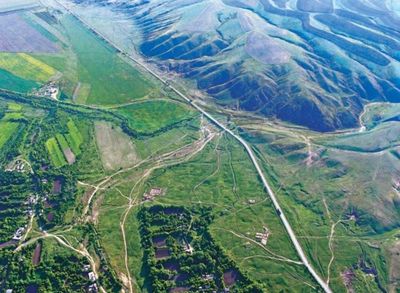
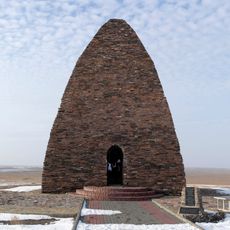
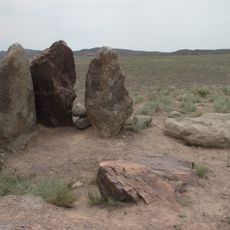
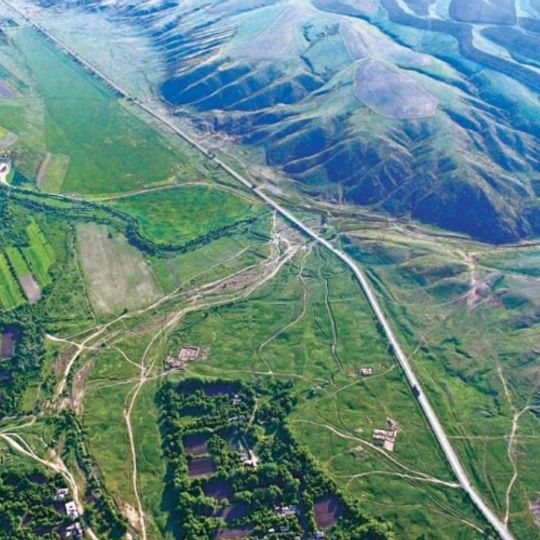
Kayalyk is an abandoned settlement in the Almaty Region that thrived from the 11th to 13th century as a center for trade, crafts, and culture. The site is surrounded by protective walls reaching up to 4 meters in height and stretching over 1,000 meters, with the entire layout forming an irregular shape typical of medieval trade settlements.
The settlement emerged in the 9th century and developed into a major trading hub along the Silk Road, connecting the northeastern part of present-day Kazakhstan with distant regions of Asia and the Middle East. Systematic archaeological excavations beginning in 1998 uncovered remains of temples, religious structures, and craft areas that reveal centuries of occupation and exchange.
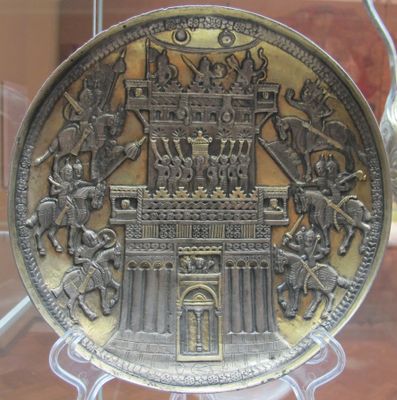
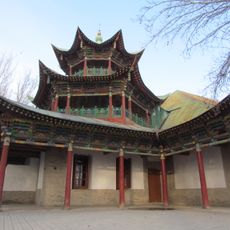
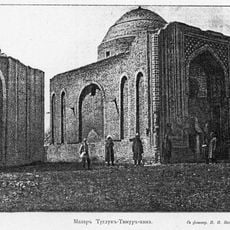
The settlement served as a meeting place where different religions coexisted peacefully for centuries. Excavations have revealed remains of Buddhist temples, a cathedral mosque, Christian churches, and Manichaean sites, showing how diverse communities shared this space and influenced each other through daily interaction.
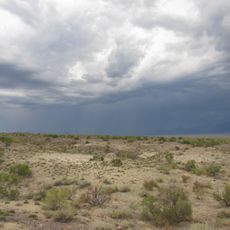
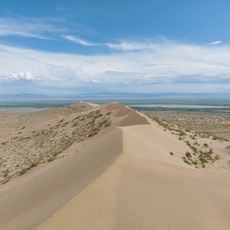
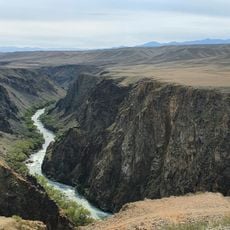
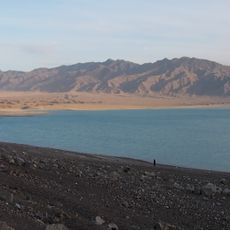
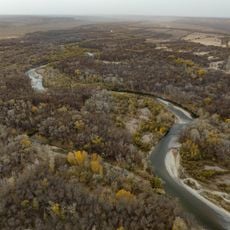
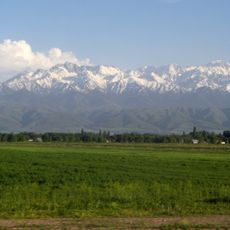
The site lies approximately 39 kilometers from the town of Sarkand and can be easily located using GPS coordinates. Visitors should prepare for open terrain with mountain views and plan to explore at their own pace, as the area remains largely undeveloped for tourism, allowing for a quiet and contemplative experience.
The French ambassador Wilhelm Rubruk visited the city in the 13th century and documented its diverse population and active markets, providing rare written testimony to its importance. This firsthand account from a Western medieval observer makes Kayalyk one of the few Central Asian sites with direct historical confirmation from outside sources of the era.
The community of curious travelers
AroundUs brings together thousands of curated places, local tips, and hidden gems, enriched daily by 91,680 contributors worldwide.