Martyrs' Square, historical central public square of Beirut, Lebanon
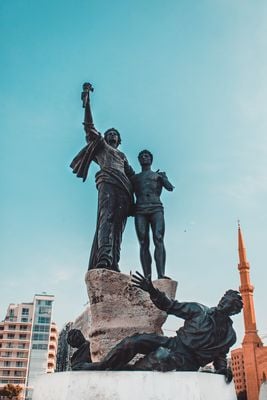
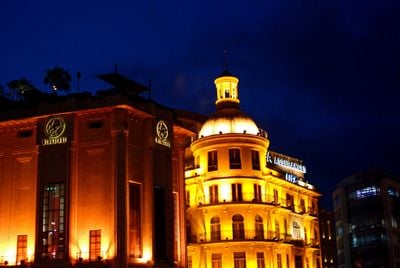
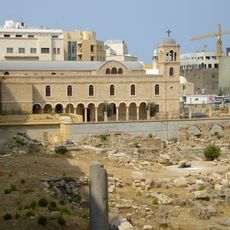
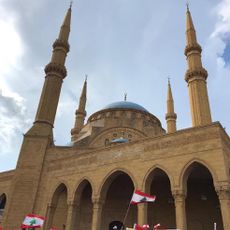
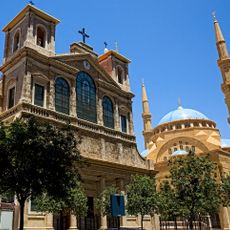
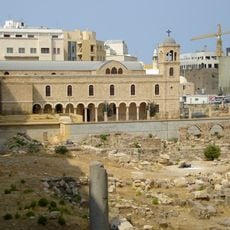
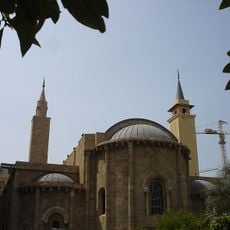
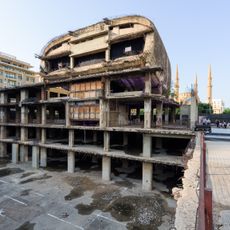
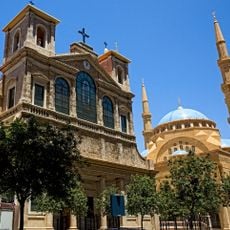
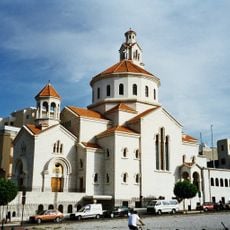
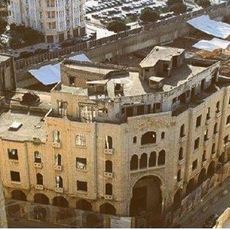
Martyrs' Square is an open space in central Beirut with a central monument and trees and benches arranged throughout. The area is surrounded by older buildings alongside modern structures that reflect the city's layered history and growth.
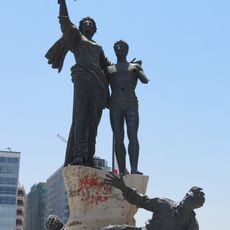
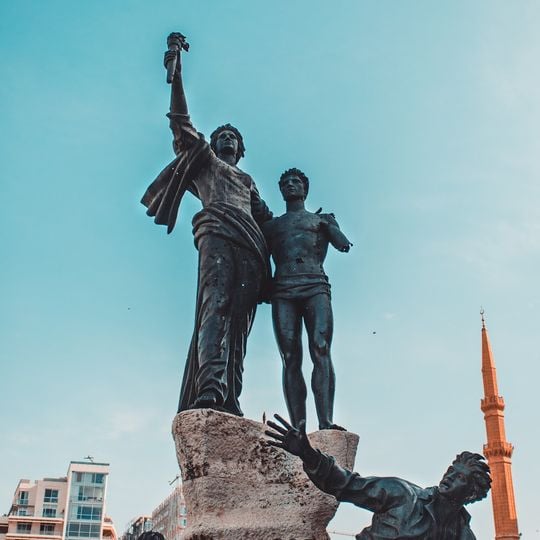
The square was named after Lebanese and Syrian nationalists were executed by Ottoman soldiers on May 6, 1916. A monument was built in 1931 to commemorate the event, and bullet marks from the 1975-1990 civil war remain visible on the structures today.
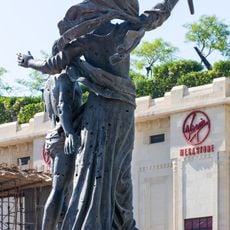
The square is known in Arabic as Sahat al Shouhada and takes its name from those executed in 1916. Visitors can see a monument showing two women holding hands, symbolizing unity across religious and cultural lines in Lebanese society.
The square is easily accessible from central Beirut and sits near bus stations and taxi stands. The best times to visit are early morning or late afternoon when the space is less crowded and the pace feels slower.
The monument shows two figures representing Muslim and Christian women holding urns together, expressing a moment of national unity often overlooked by visitors. This detail carries deep symbolic meaning for understanding Lebanon's shared identity.
The community of curious travelers
AroundUs brings together thousands of curated places, local tips, and hidden gems, enriched daily by 60,000 contributors worldwide.