Germa, human settlement
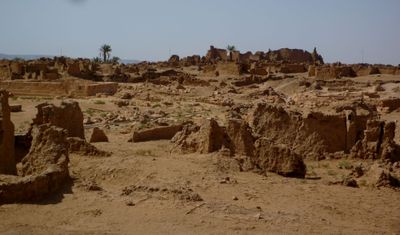
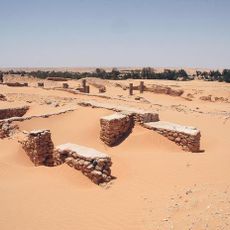
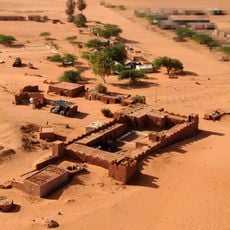
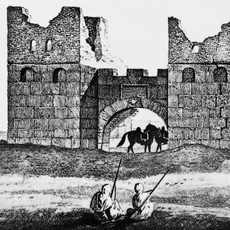
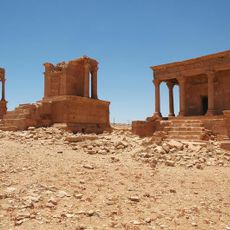
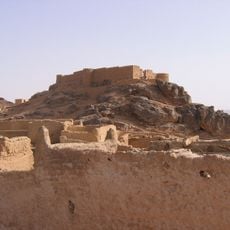
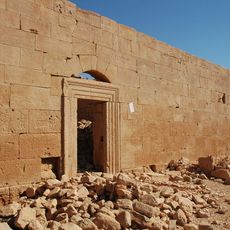
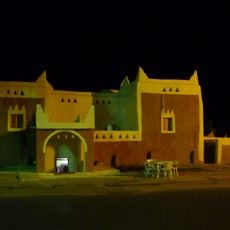
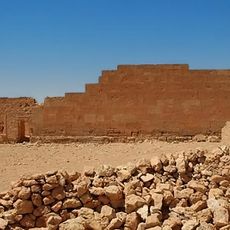
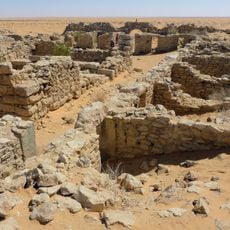
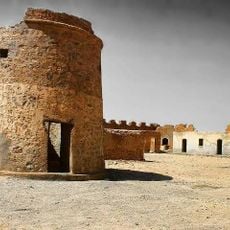
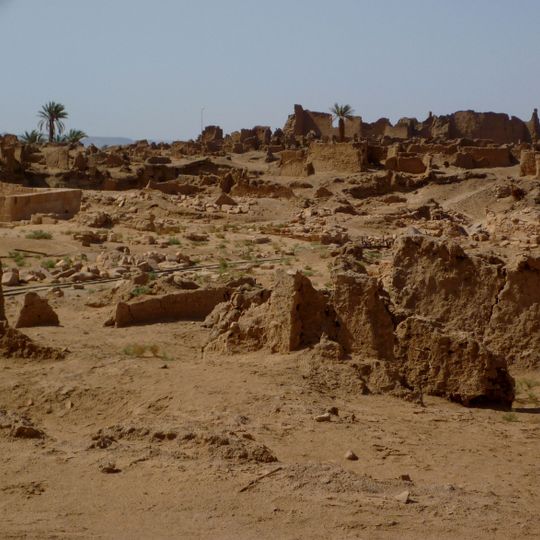
Germa is an ancient settlement in southern Libya that once served as the center of Garamantian civilization. Today the city survives mainly as ruins: old walls, tombs, and underground water channels that reveal how people managed to survive in this dry landscape.
The Garamantes settled in this region around 1000 BC and built a society based on underground irrigation. Germa became the heart of their civilization and thrived until it slowly declined around the 7th century AD due to water depletion, climate change, and shifting trade routes.
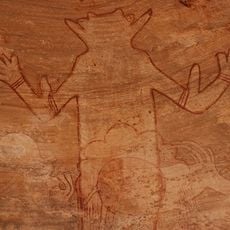
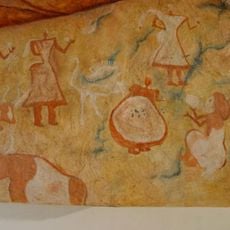
Germa takes its name from the Garamantes, a Berber people who built and shaped this settlement roughly 2000 years ago. The city served as a meeting place where local traditions mixed with influences from Greek and Roman visitors, and people from distant lands gathered to trade and exchange customs.
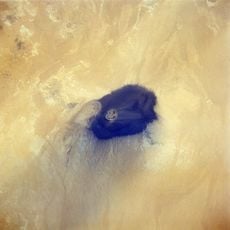
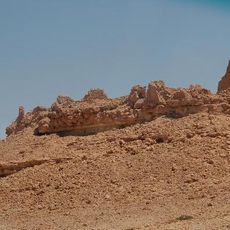
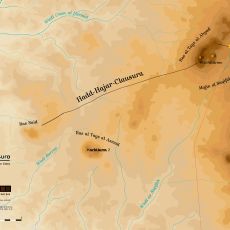
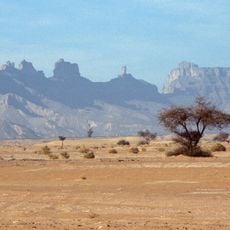
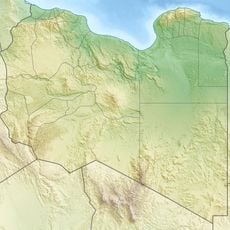
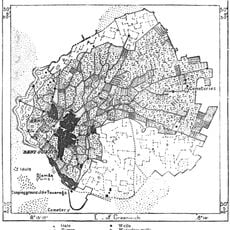
The ruins are scattered across sandy terrain roughly 100 miles southwest of Sabha. Visits are best planned during cooler months when extreme Saharan heat subsides, making exploration of the remains more comfortable.
The Garamantes built an extensive network of underground channels called foggaras to draw water from deep below the surface. This ancient engineering feat may have consumed water over many centuries so intensely that it hastened the city's eventual collapse.
The community of curious travelers
AroundUs brings together thousands of curated places, local tips, and hidden gems, enriched daily by 92,760 contributors worldwide.