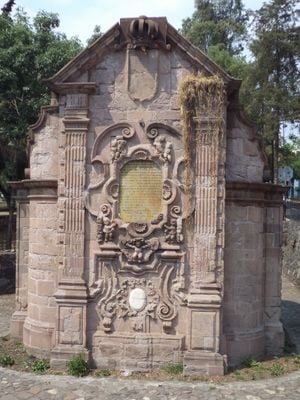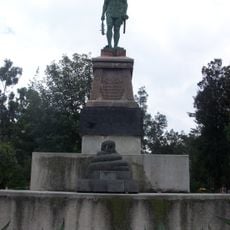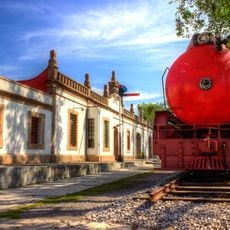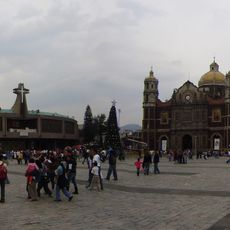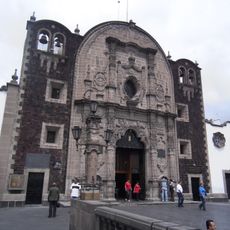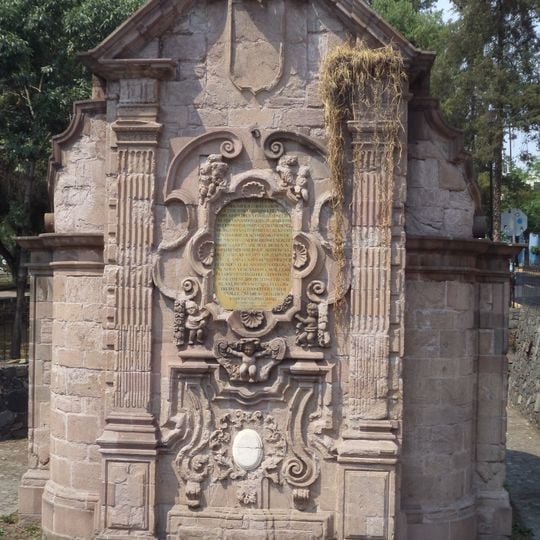
Acueducto de Guadalupe, Aqueduct in Mexico City, Mexico.
The Guadalupe Aqueduct is a structure of 2,310 arches spanning 10 kilometers, originally carrying water from the Tlalnepantla River to Guadalupe Villa. The massive stone arches follow the terrain's contours and create a defining feature across the landscape.
Construction started in 1743 under the Guadalupe City Council and finished in 1751 during the viceroy Juan Francisco de Güemes y Horcasitas's administration. The project was created to supply water to the growing religious settlement.
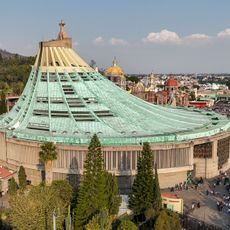
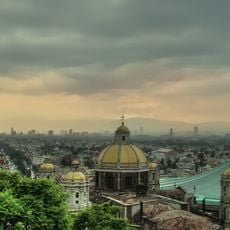
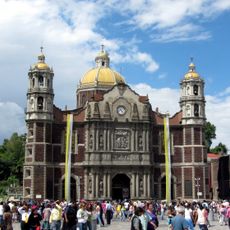
The aqueduct remains central to pilgrimages toward the nearby basilica, where visitors walk its length as part of their spiritual journey. People stop here to reflect and gather before continuing to the shrine.
The location is best explored on foot or by bicycle and attracts many visitors especially during religious celebrations. Comfortable shoes are recommended since you may walk longer distances.
A lesser-known detail is that insurgent José María Morelos drank from the aqueduct's fountain in 1815 before his execution in Ecatepec. This episode connects the structure to a significant moment in Mexico's independence movement.
The community of curious travelers
AroundUs brings together thousands of curated places, local tips, and hidden gems, enriched daily by 60,000 contributors worldwide.