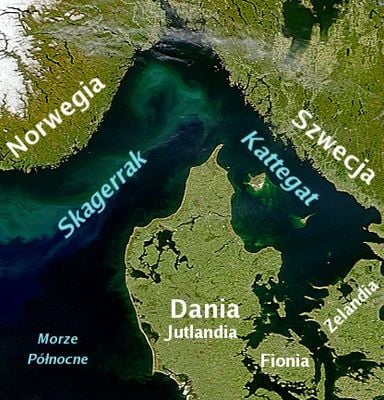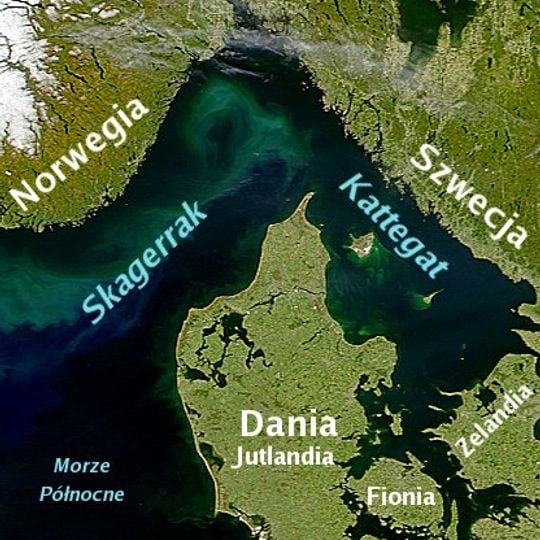
Skagerrak, Strait between Denmark and Norway, connected to North Sea
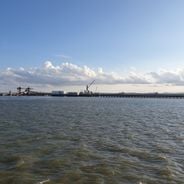
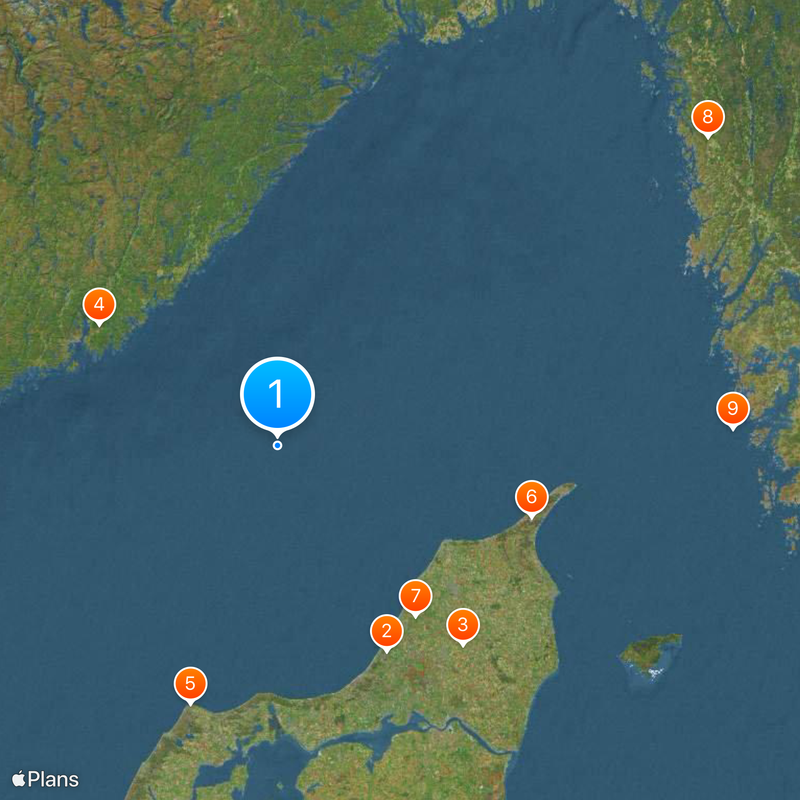
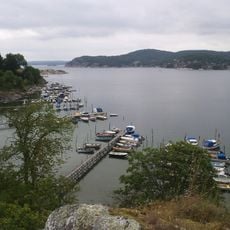
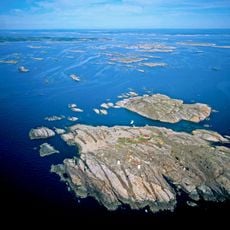
Skagerrak is a strait running between the east coast of Denmark and the southwest coast of Norway, stretching roughly 240 kilometers and marking the transition between the North Sea and the Kattegat. The depth increases sharply towards Norway, reaching over 700 meters in some parts, while the Danish side remains shallower.
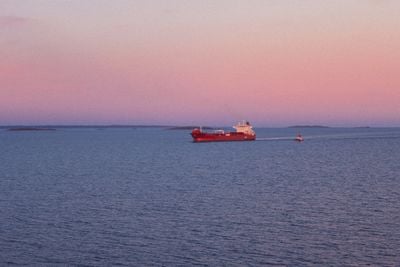
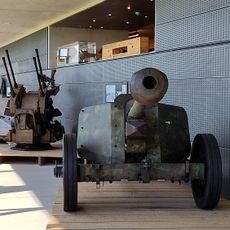
Before the Eider Canal opened in the late 18th century, this strait was the only shipping route to the Baltic Sea and drew merchant vessels from across northern Europe. During World War I, the Battle of Jutland took place here in 1916, the largest naval engagement of that era between British and German fleets.
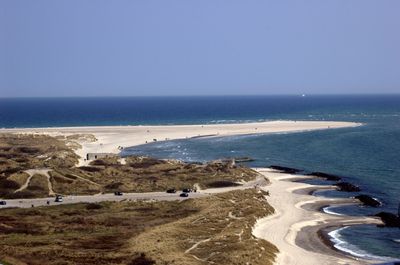
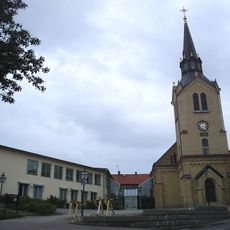
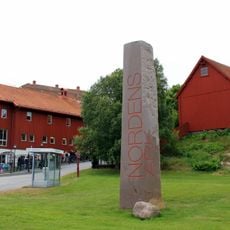
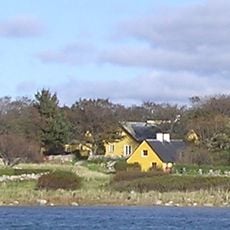
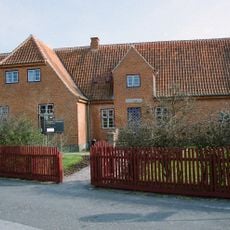
Coastal settlements along both sides carry names rooted in old seafaring dialects and fishing traditions, while smaller boats still head out into the waters today. Many fishing villages keep their maritime heritage alive through local festivals and museums where visitors can see old nets and boat tools.
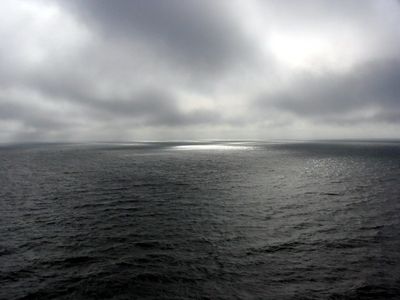
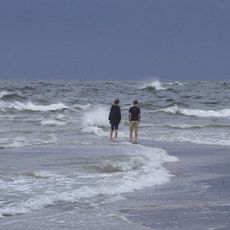
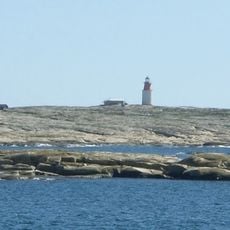
The waters can feel cool even in summer, so warmer clothing is worth bringing on boat trips or excursions along the coast. Several viewpoints on both sides of the strait offer open views across the water, especially in clear weather during morning or late afternoon.
In the deeper zones, cold-water corals grow on reefs like Säcken and Tisler, forming a rare underwater landscape that attracts many marine inhabitants. These coral formations are particularly interesting for divers and researchers because they create habitats usually found only in more remote parts of the Atlantic.
The community of curious travelers
AroundUs brings together thousands of curated places, local tips, and hidden gems, enriched daily by 90,738 contributors worldwide.