Cagayan, Administrative province in northeastern Luzon, Philippines
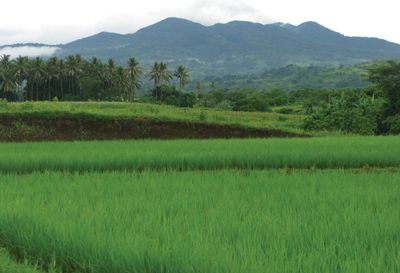
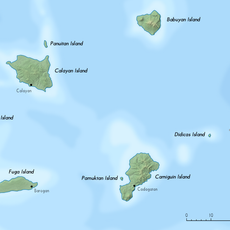
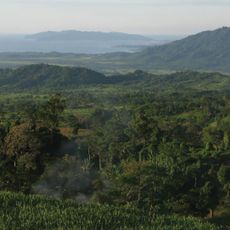
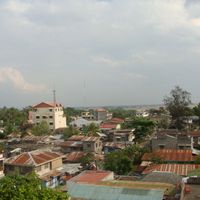
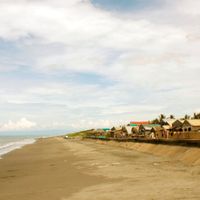
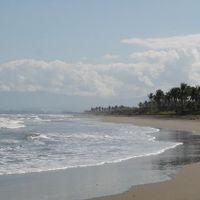
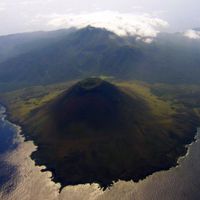
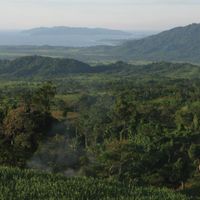
Cagayan is an administrative division in northeastern Luzon, Philippines, stretching along the Pacific coast to the Cordillera mountains. The landscape ranges from coastal plains with rice paddies to forested slopes inland, threaded by the longest river system in the country.
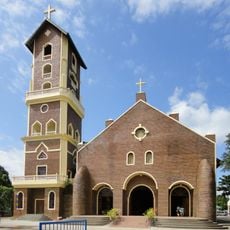
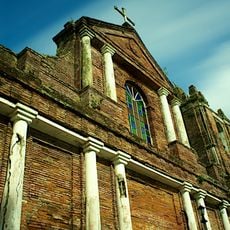
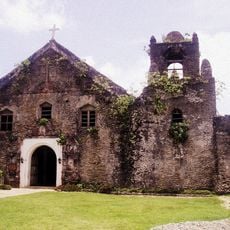
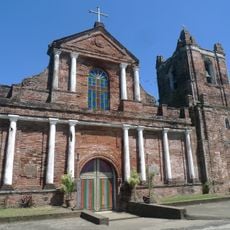
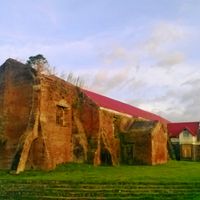
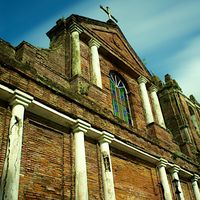
Spanish missionaries established outposts in this area starting in 1581, setting up churches in several valley communities. Colonization brought Christian settlers from other regions of Luzon, who introduced new farming methods.
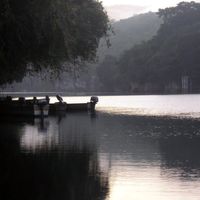
Cagayan takes its name from an old Ibanag word for river, a language still spoken in many valley communities. Local markets offer tobacco, corn and handwoven baskets made by families in the villages along the waterway.
Aircraft land daily at Tuguegarao Airport from Manila, with the flight taking about one hour. Overland buses depart from the capital via the national highway, with the journey taking between eight and ten hours depending on road conditions.
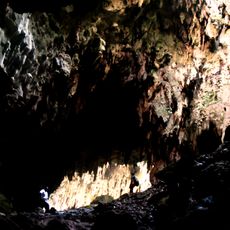
The Callao Cave near the northern edge of the province holds some of the oldest human remains in Southeast Asia, including fossils more than 67,000 years old. Archaeologists also uncovered seven chambers there with prehistoric tools and animal bones.
The community of curious travelers
AroundUs brings together thousands of curated places, local tips, and hidden gems, enriched daily by 60,000 contributors worldwide.