Banbhore, Archaeological site in Sindh, Pakistan
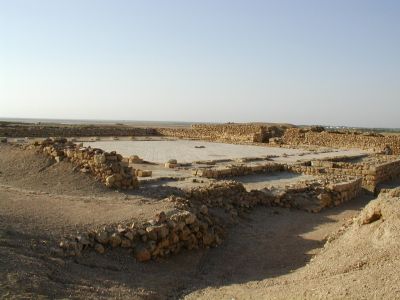
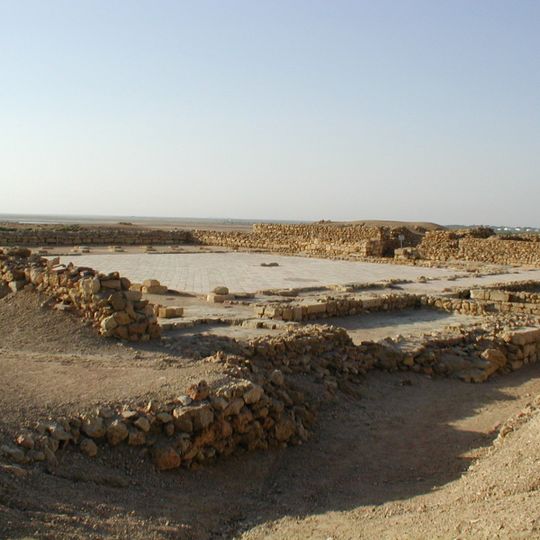
Banbhore is an archaeological site along the northern bank of Gharo creek in Sindh, displaying fortified walls, towers, and residential buildings from different periods. The remains spread across a sizeable area with clearly visible defensive structures and house foundations.
The settlement went through three main phases: a Scytho-Parthian period from the 1st century BCE, a Buddhist phase from the 2nd century onward, and an Islamic period starting in the 8th century. Each phase left its own marks in the buildings and objects visible today.
An early mosque built in 727 stands within the complex, showing how Islamic practice took root in this region. The building's design reflects the religious transformation that shaped daily life at this location.
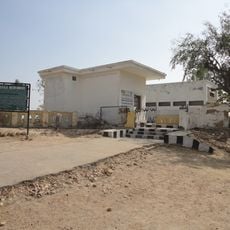
An on-site museum displays finds from excavations, including pottery, coins, and inscribed objects discovered since the 1950s. The grounds themselves offer plenty of space to explore, but it makes sense to allow time for both areas.
Excavations uncovered one of the world's largest ancient ivory workshops, where large quantities of tusk fragments were processed. The discovery shows this location was an important hub for craftsmanship and trade in valuable materials.
The community of curious travelers
AroundUs brings together thousands of curated places, local tips, and hidden gems, enriched daily by 92,018 contributors worldwide.