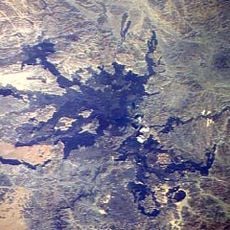
Harrat Khaybar, Volcanic field north of Medina, Saudi Arabia
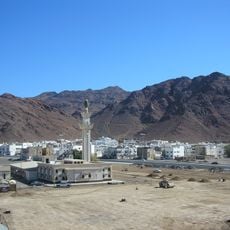
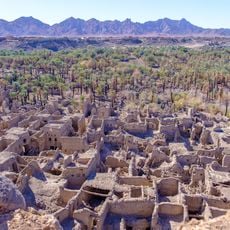
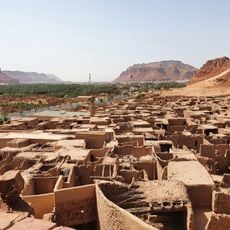
Harrat Khaybar is a volcanic field north of Medina with numerous volcanic vents arranged along a north-south direction across the terrain. The landscape consists of dark volcanic rock, lava flows, and craters that create a rough and varied terrain.
The last known volcanic activity in Harrat Khaybar occurred between 600 and 700 AD, marking the end of eruptions in this area. This volcanic system remained geologically active for thousands of years before becoming dormant.
The field is also called Harrat al-Nar, "the Fire Field", a name used since pre-Islamic times and cited by the poet al-Nabigha al-Dhubyani. Neolithic pastoralists built stone houses, fences and tombs here, and mined obsidian; later inhabitants left pendant-shaped tower tombs and cairns dated to the third millennium BCE.
This terrain is challenging to travel and requires preparation due to its remote location, lack of facilities, and extreme heat. It is advisable to hire local guides and come with proper equipment and sufficient water.
Beneath the surface lies the Umm Jirsan lava tube system that provided shelter for animals like striped hyenas for thousands of years. This underground structure is a hidden geological feature that adds to the area's scientific interest.
The community of curious travelers
AroundUs brings together thousands of curated places, local tips, and hidden gems, enriched daily by 94,705 contributors worldwide.