Battle of Omdurman, Battle site in Sudan
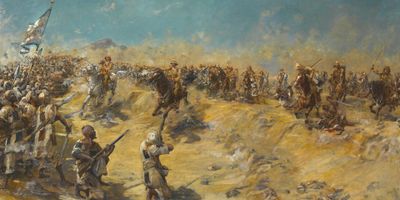
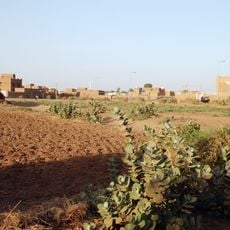
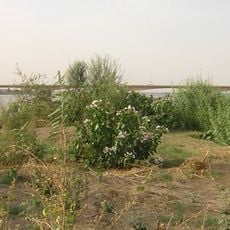
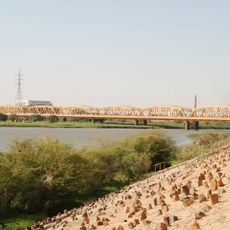
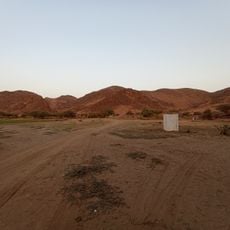
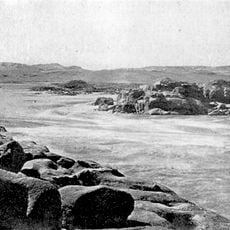
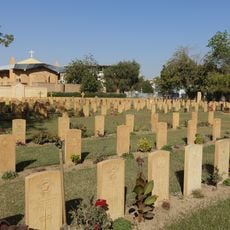
The Battle of Omdurman was a military engagement on September 2, 1898, where British and Egyptian forces under Herbert Kitchener fought against Mahdist troops in open terrain near the Nile River. The site sits on flat plains with hills in the distance, showing where roughly 25,000 colonial soldiers faced approximately 30,000 to 50,000 Mahdist fighters armed with spears, swords, and outdated firearms.
The battle marked the end of Mahdist rule in Sudan and secured British control over the region following 17 years of resistance that began as a religious uprising in 1881. The victory enabled the establishment of a new colonial administration and ended the conflict that had destroyed the city of Khartoum in 1885.
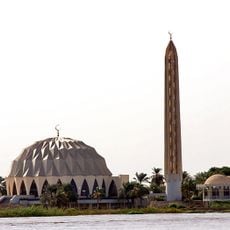
The battle remains part of Sudanese historical memory as a moment when traditional warfare methods faced modern military technology. For visitors, the site reflects how this conflict continues to shape local identity and collective remembrance.
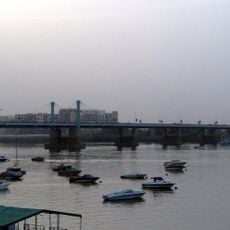
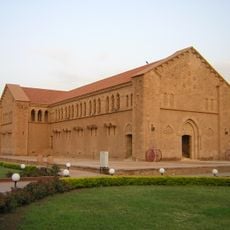
The battlefield is accessible near modern Khartoum and can be explored with local guides or through museums in the area showing artifacts and maps. The flat terrain is easy to walk, but bring sun protection and sturdy shoes for comfort during visits.
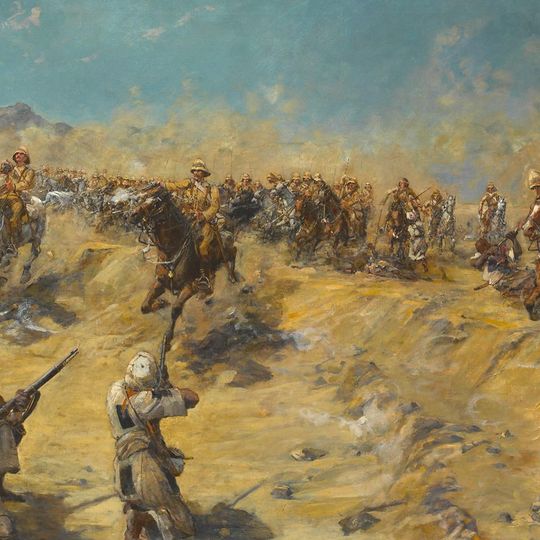
The battle featured one of history's last major cavalry charges when the 21st Lancers charged Mahdist lines with drawn swords on open ground. Young Winston Churchill served as a lieutenant in this regiment and later wrote detailed accounts of this moment, which shaped his understanding of modern warfare.
The community of curious travelers
AroundUs brings together thousands of curated places, local tips, and hidden gems, enriched daily by 90,884 contributors worldwide.