Karesuando, urban area in Kiruna Municipality, Sweden
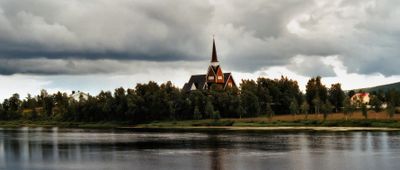
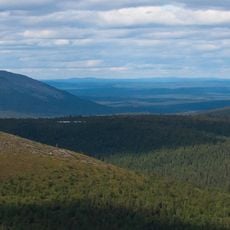
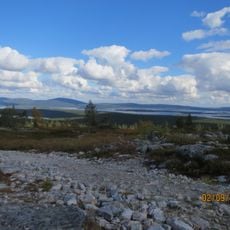
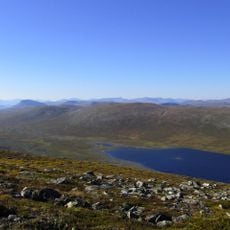
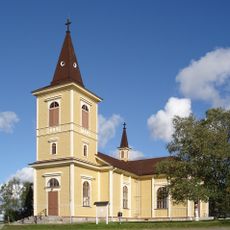
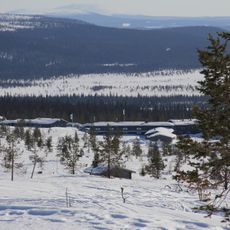
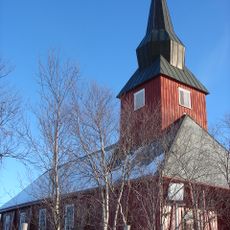
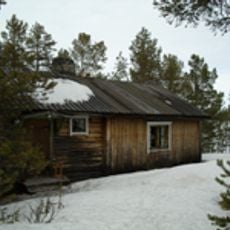
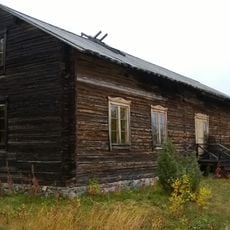
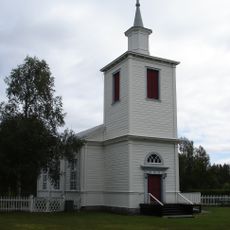
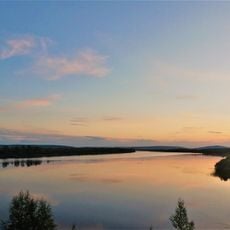
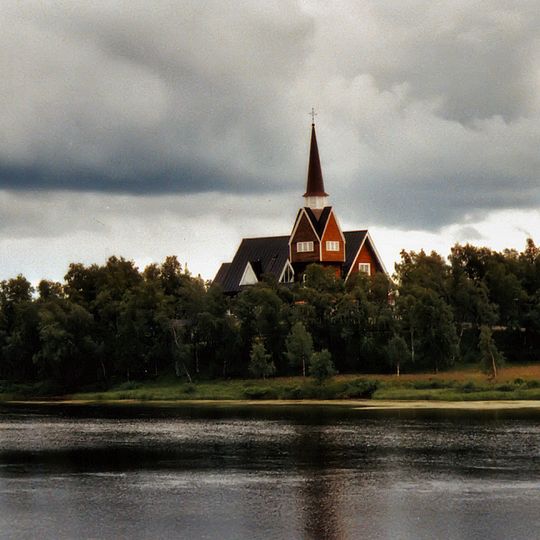
Karesuando is Sweden's northernmost village, situated along the Muonio River where the border with Finland runs. The settlement is small with around 270 residents, surrounded by pine and birch forests, with traditional wooden houses and a simple church built in the early 1900s.
The first Swedish settlement was established in 1670 when Måns Mårtensson Karesuando purchased land from the Sami and built the initial houses. The 1809 border demarcation between Sweden and Russia divided the region along the Muonio River, splitting traditional Sami grazing and hunting territories.
Karesuando shows a blend of Sami, Swedish, and Finnish influences that shape daily life in the village. Traditional Sami crafts like knife-making and yoik singing are still practiced, and Laestadian Lutheran beliefs remain influential in how the community values family and shared responsibility.
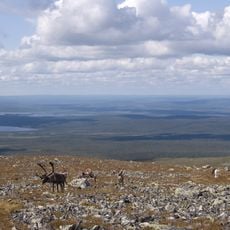
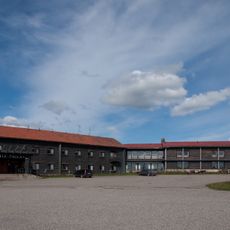
The village is accessible via European route E45 and Swedish road 99, which run through it from the south. It has small hotels and hostels with basic services, but infrastructure is limited, and outdoor activities like snowshoeing and reindeer herding tours depend on local guides and advance planning.
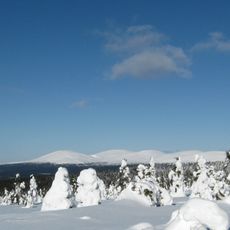
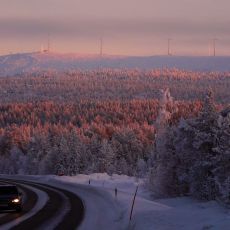
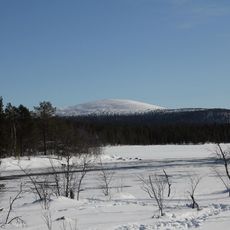
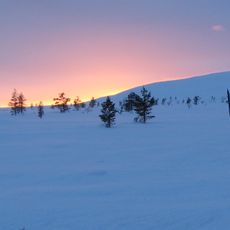
The village experiences the midnight sun in summer when the sun stays above the horizon for about two months without setting. In winter, the area endures about 30 days of polar night when the sun never rises above the horizon.
The community of curious travelers
AroundUs brings together thousands of curated places, local tips, and hidden gems, enriched daily by 60,000 contributors worldwide.