Hawd Region, Plateau region in Eastern Somaliland
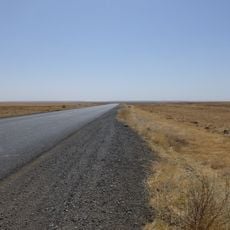
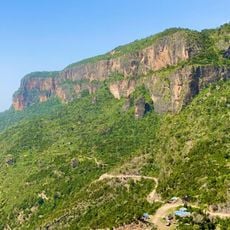
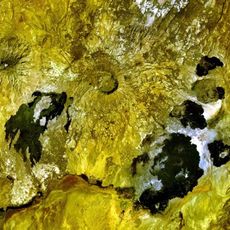
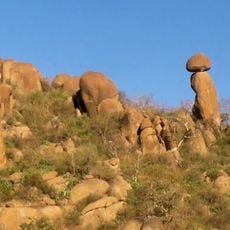
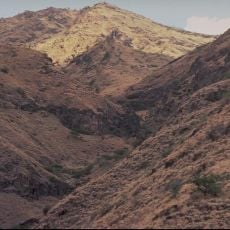
The Hawd Region is a plateau in eastern Somaliland covered by dry grassland and marked by reddish soil throughout. The terrain slopes gradually downward from the northwest, and the landscape contains natural depressions that collect water during rainy periods.
The northeastern part of this region was transferred to Ethiopia in 1897 under an Anglo-Ethiopian agreement, which changed its political status. When Somalia became independent in 1960, border disputes began that remain unresolved to this day.
The region has long been home to the Isaaq clan family, who bring their herds here during the wet season to find water and grazing land. Different subclans have traditional areas where they pasture their animals and maintain their way of life.
The best time to visit is during the short rainy season from April to June, when water collects in the natural depressions and the landscape turns greener. Outside these months the area becomes very dry and is largely unpopulated, so proper preparation is essential.
The landscape contains towering termite mounds that rise up to 7 meters high and shape the plateau's appearance. These structures are home to various wildlife including the Somali ostrich, a bird found nowhere else in the world.
The community of curious travelers
AroundUs brings together thousands of curated places, local tips, and hidden gems, enriched daily by 92,522 contributors worldwide.