Tell Kazel, Archaeological mound in Tartus Governorate, Syria
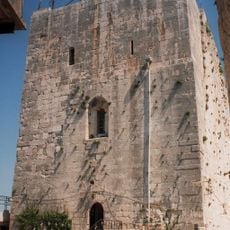
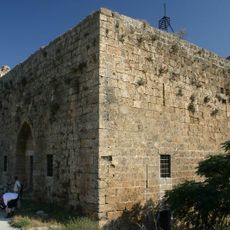
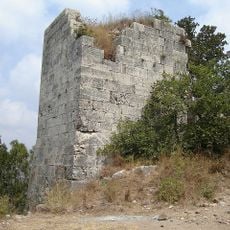
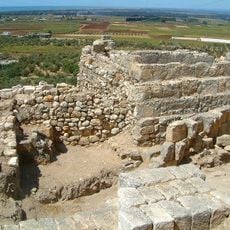
Tell Kazel is an archaeological mound in Tartus Governorate, Syria, where the remains of palaces, temples, and fortification walls built from large stone blocks are still visible. The mound rises from a broad base to a flatter plateau at the top.
During the Late Bronze Age, the site was known as Sumur and served as the main center of the Amurru kingdom, mentioned in Egyptian and Hittite texts. After the Bronze Age collapsed, the mound was reoccupied at different periods before being abandoned.
The name Sumur, by which the site was known in ancient texts, links it to a time when traders from nearby coastal cities passed through regularly. Visitors walking among the exposed walls can still see fragments of pottery that point to these old connections.
The mound is an open site with no ticket booth, but the ground is uneven, so sturdy shoes and water are a good idea. There is no shade, which makes an early morning or late afternoon visit more comfortable.
Researchers found large quantities of Cypriot pottery with two-color patterns at the site, pointing to active sea trade across the eastern Mediterranean. Similar finds are rare at other Syrian coastal sites, which makes this collection stand out.
The community of curious travelers
AroundUs brings together thousands of curated places, local tips, and hidden gems, enriched daily by 91,047 contributors worldwide.