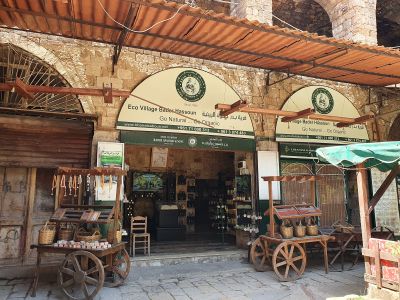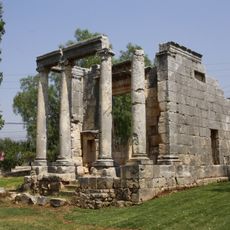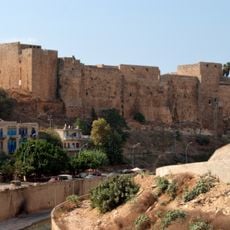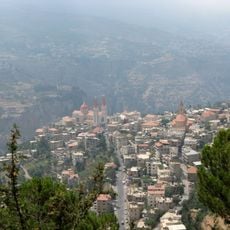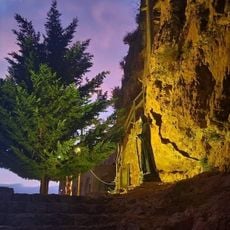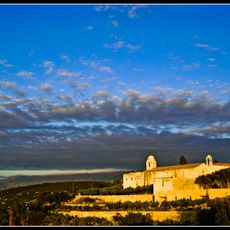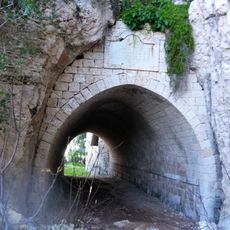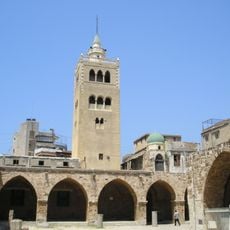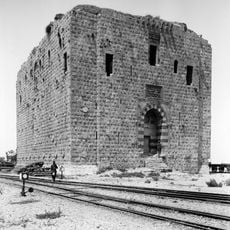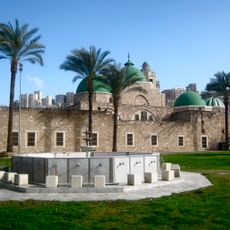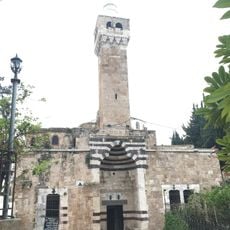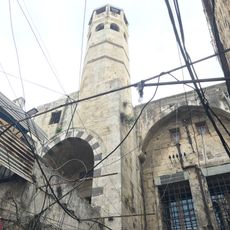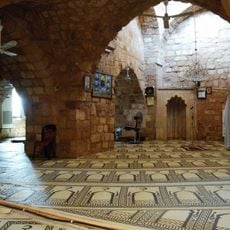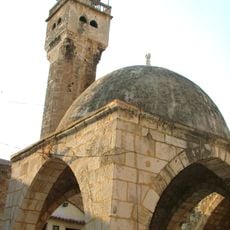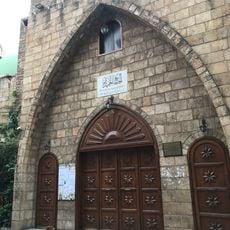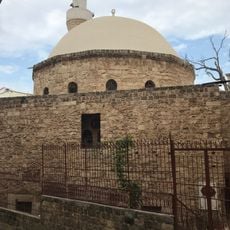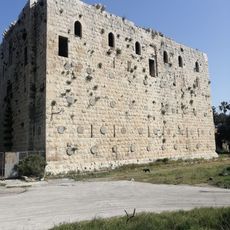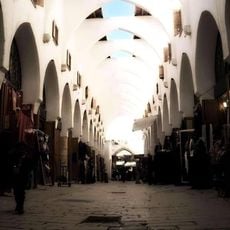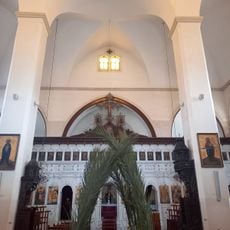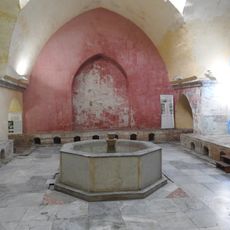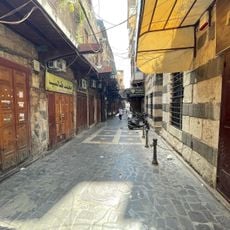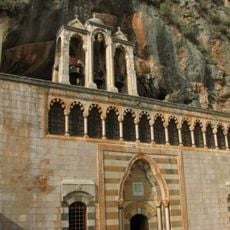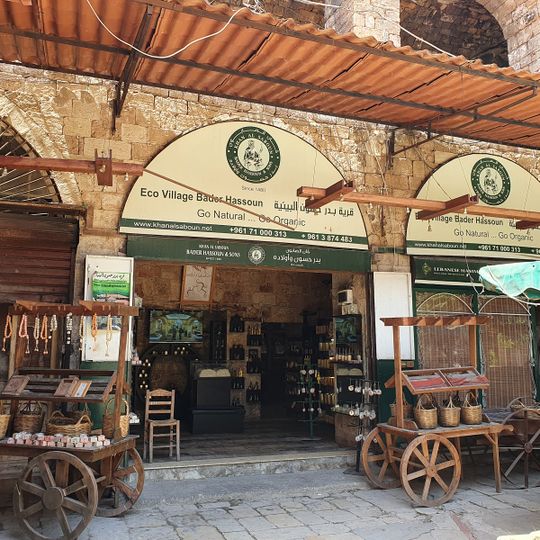
Khan al-Sabun, Ottoman caravanserai in Tripoli, Lebanon.
Khan al-Sabun is a former Ottoman trading caravanserai in Tripoli featuring stone walls, arched passages, and traditional architectural elements arranged across multiple levels. The interior contains vaulted rooms and narrow corridors that reflect the layout of a historic marketplace.
The building dates to the 16th century and served as a key trading hub where merchants stored goods and conducted commerce during the Ottoman period. Its design reflects Tripoli's importance as a Mediterranean trading port.
The name Khan al-Sabun comes from its historical role in soap production, a traditional craft that shaped Tripoli's commercial identity for generations. Walking through the space today, you can sense how this trade defined the neighborhood's character.
The site is open during daylight hours and can be explored independently to see the various rooms and levels. Wearing comfortable shoes is helpful since floors are uneven and narrow stairs connect different levels.
The site still houses active soap production today, with artisans using the same methods as their predecessors centuries ago. Visitors can watch the process and purchase handmade products directly at the location.
The community of curious travelers
AroundUs brings together thousands of curated places, local tips, and hidden gems, enriched daily by 92,526 contributors worldwide.