Balamand Monastery, Orthodox monastery near Tripoli, Lebanon
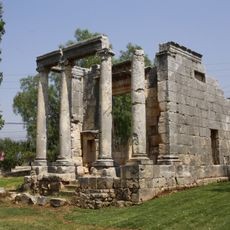
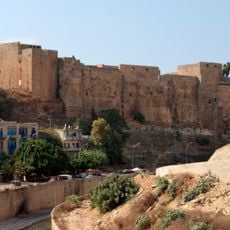
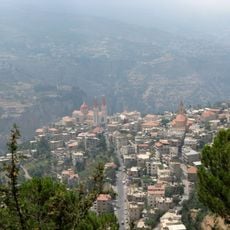
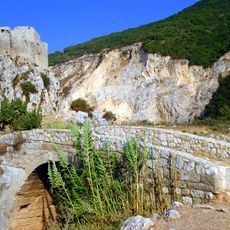
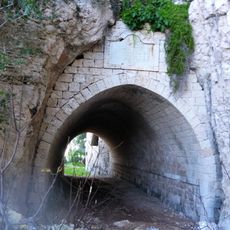
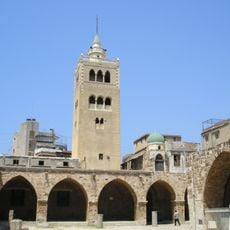
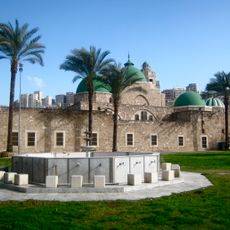
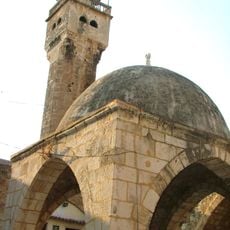
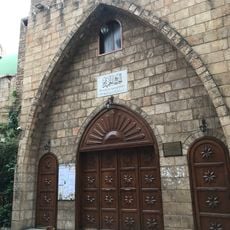
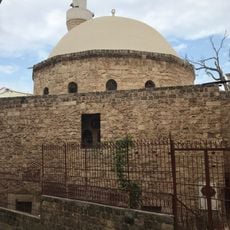
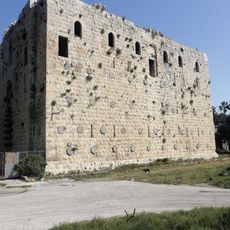
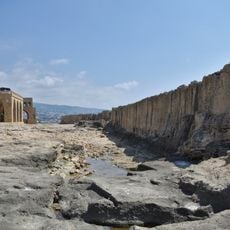
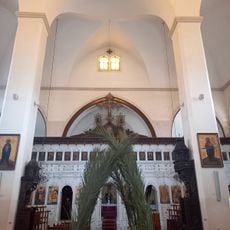
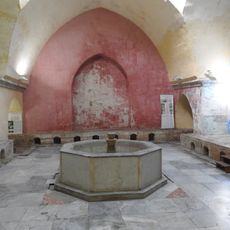
Balamand Monastery is an Orthodox monastery situated on a plateau north of Tripoli, with stone buildings arranged around central courtyards. The structures display architecture from different periods and surround spaces where religious and scholarly work continues today.
Cistercian monks from France founded the abbey in 1157 in the Crusader County of Tripoli and built it between 1157 and 1169. It remained Cistercian until the Mamluk conquest of Tripoli in 1289, after which the site was abandoned for about three centuries. In 1603 Metropolitan Youwakim of Tripoli restored it with local Muslim support, and by 1610 it was re-endowed as a waqf with a dozen monks.
The name derives from the Old French Belmont, "beautiful mountain," not from Aramaic. The monastery is dedicated to the Dormition of the Virgin. Its manuscript collection of Arab-Christian works is considered one of the richest of its kind, and in 1993 it hosted the seventh plenary session of the international theological dialogue that produced the Balamand Agreement.
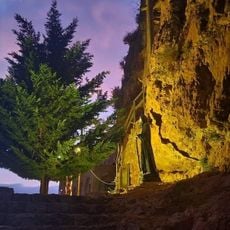
The grounds are accessible during daylight hours and visitors can explore the buildings and courtyards, though some areas may be reserved during religious services. The site sits on a hillside, so expect stairs and uneven paths throughout the property.
The monastery's manuscript collection of Arab-Christian writings is considered one of the richest of its kind. In June 1993 it hosted the seventh plenary session of the international theological dialogue between the Orthodox and Catholic churches, where the Balamand Agreement was signed.
The community of curious travelers
AroundUs brings together thousands of curated places, local tips, and hidden gems, enriched daily by 93,470 contributors worldwide.