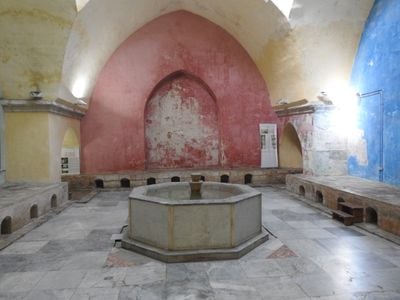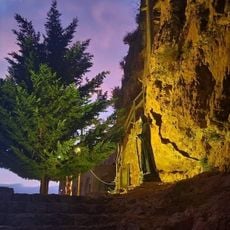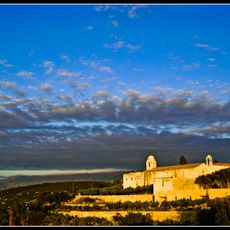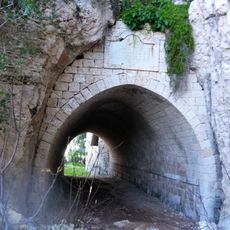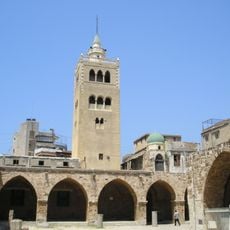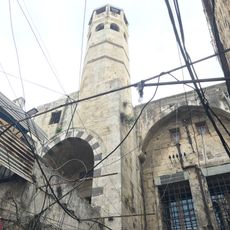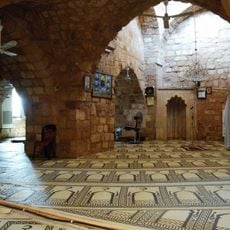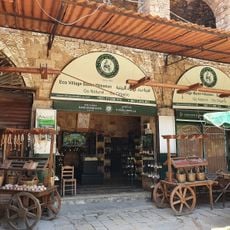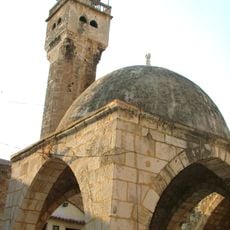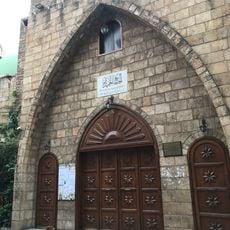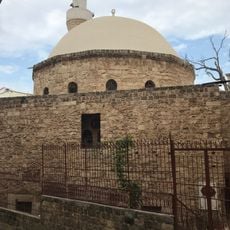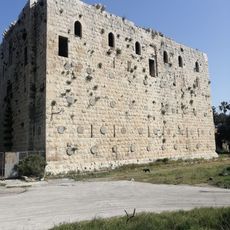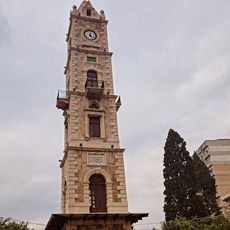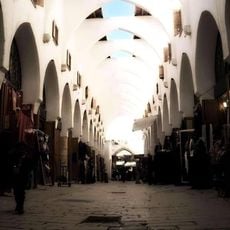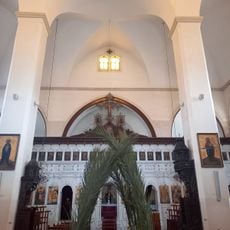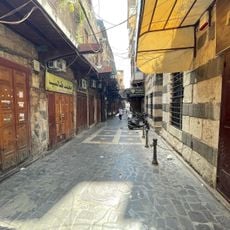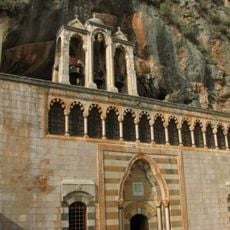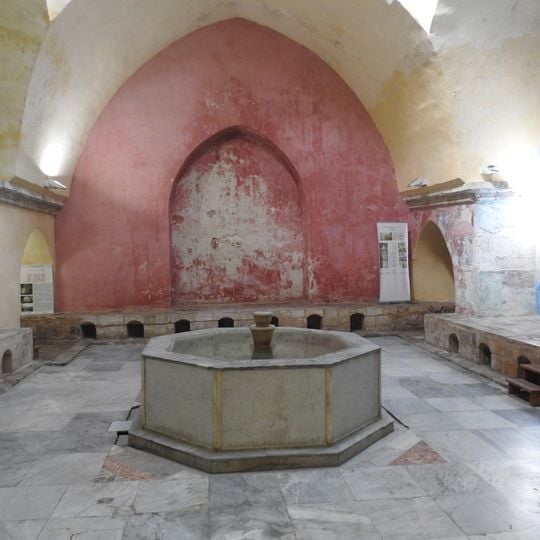
Hammam Izz al-Din Aybak, 13th-century public bath in Tripoli, Lebanon.
Hammam Izz al-Din Aybak is a public bathhouse with separate sections for changing rooms and bathing areas, featuring traditional domed ceilings and intricate tilework throughout. The structure follows a classic layout with the burrani for undressing and the al-hammi area dedicated to hot water and steam.
The bathhouse was built between 1294 and 1298 during the Mamluk period and bears the name of Al-Muizz Izz ad-Din Aybak, the first Sultan of the Mamluk dynasty in Egypt. It has endured for over 700 years and stands as a record of this important era's architecture.
The hammam served as a gathering place where residents of Tripoli met, relaxed, and maintained social bonds beyond bathing. Such establishments were central to everyday city life and held deep meaning in the community's daily rhythm.
Visitors can walk through the traditional room layout and observe how the different zones work together as a complete bathing system. Taking time to examine the architectural details helps you understand how people moved through and used each space.
It remains one of only five surviving historic hammams in Tripoli, preserving Mamluk architectural elements in their original form. This rarity makes it an important record of how buildings were constructed during that era.
The community of curious travelers
AroundUs brings together thousands of curated places, local tips, and hidden gems, enriched daily by 91,359 contributors worldwide.