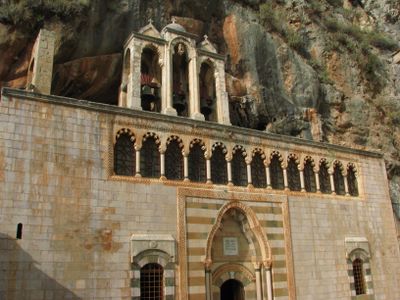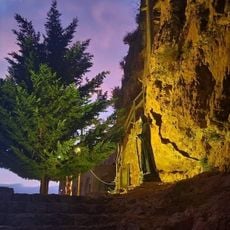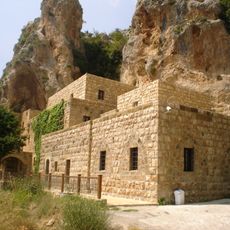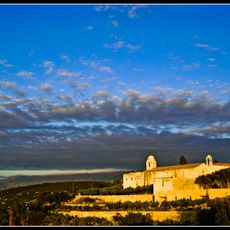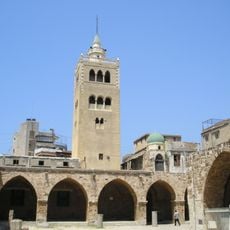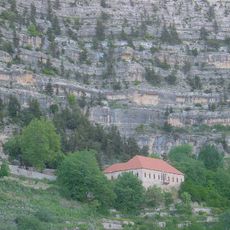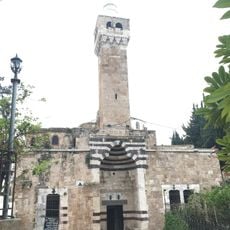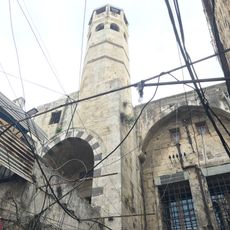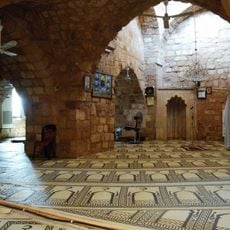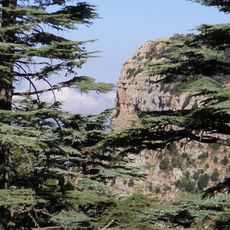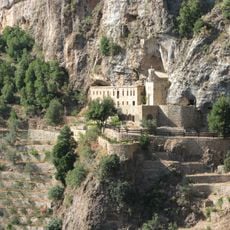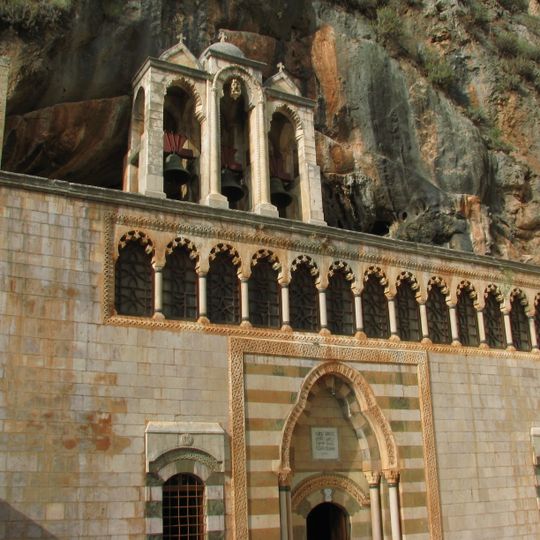
Church of Saint Anthony, Cave church in Zgharta District, Lebanon.
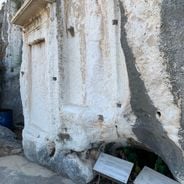
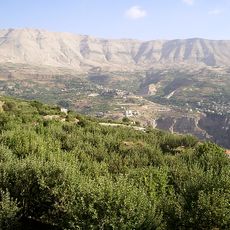
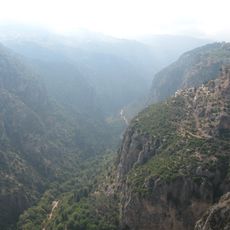
The Church of Saint Anthony is a monastery built within natural cave formations in the Qadisha Valley, where carved stone structures merge with the mountain itself. The sanctuary integrates the existing caves as core features, creating spaces that feel both formed by nature and shaped by human hands.
The monastery traces its origins to the fourth century, when it served as refuge for Maronite Christians fleeing persecution in the surrounding lowlands. This early purpose left a lasting mark on the sanctuary as a place of spiritual resilience during turbulent periods.
The place carries the spiritual legacy of Saint Anthony, whose memory shapes how locals and pilgrims relate to this mountain sanctuary. You can sense this connection in the way people use the space for prayer and reflection today.
Visiting requires some sure-footedness, as paths wind through mountain terrain where not all walkways are paved or clearly marked. Wear comfortable shoes and be prepared for cave rooms that stay cool and dimly lit, even where natural light filters through.
Many visitors are surprised to discover the ancient printing press still housed here, one of the earliest tools for spreading texts in Syriac script. This machine reveals how the monastery functioned not only as a place of prayer but also as a center for sharing knowledge.
Location: Zgharta District
GPS coordinates: 34.28506,35.95055
Latest update: December 6, 2025 19:09
Lebanon preserves thousands of years of human settlement through archaeological sites and museum collections spread across the country. Phoenician ruins are adjacent to Roman monuments, while medieval fortresses mark periods of the Crusades and Ottoman rule. In Beirut, the National Museum houses artifacts covering all the country's historical eras, and the Mim Mineral Museum displays over 2,000 specimens from around the world. Along the coast, Sidon features a 13th-century maritime fortress and the Echmoun temple, a Phoenician complex built in the 7th century BCE. Collections extend well beyond classical archaeology. The Saint-Joseph University Prehistory Museum documents prehistoric occupation in Lebanon, while the Byblos Fossil Museum showcases more than 200 petrified specimens illustrating regional geological history. These institutions provide a thorough overview of the human and natural evolution of this Mediterranean area, from early settlements to Ottoman and modern periods.
Cedars of God
10.1 km
Roman temple of Bziza
12 km
Kadisha Valley
6.2 km
Baatara gorge waterfall
14.4 km
Qurnet Al Sawda
15.2 km
Sisters Olive Trees of Noah
15 km
Citadel of Tripoli
19.2 km
Qozhaya
379 m
Gibran Museum
7.4 km
Balamand Monastery
18.3 km
Mansouri Great Mosque
19.4 km
Mar Sarkis, Ehden
3 km
Taynal Mosque
19.3 km
Arz
9.4 km
International Olympic Stadium
19.3 km
Ouadi Qadisha (the Holy Valley) and the Forest of the Cedars of God (Horsh Arz el-Rab)
1 m
Al-Burtasi Mosque
19.3 km
Mu'allaq Mosque
19.2 km
Abd al-Wahid Mosque
19.3 km
Arz Tannourine
8.6 km
Khan al-Sabun
19.4 km
Al-Tawbat Mosque
19.6 km
Al-Uwaysiyat
19.3 km
Monastery Of Mar Lishaa
6.7 km
Khan al-Khayyatin
19.4 km
St. George Greek Orthodox Cathedral, Tripoli, Lebanon
19.6 km
Hammam Izz al-Din Aybak
19.4 km
Hammam al-Jadid
19.2 kmVisited this place? Tap the stars to rate it and share your experience / photos with the community! Try now! You can cancel it anytime.
Discover hidden gems everywhere you go!
From secret cafés to breathtaking viewpoints, skip the crowded tourist spots and find places that match your style. Our app makes it easy with voice search, smart filtering, route optimization, and insider tips from travelers worldwide. Download now for the complete mobile experience.
A unique approach to discovering new places❞
— Le Figaro
All the places worth exploring❞
— France Info
A tailor-made excursion in just a few clicks❞
— 20 Minutes