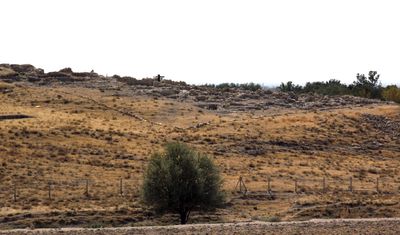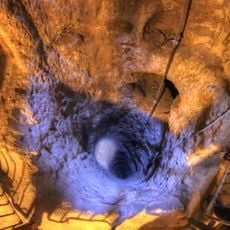
Köşk Höyük, Archaeological site in Kemerhisar, Turkey.
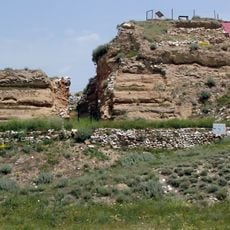
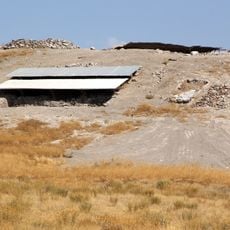
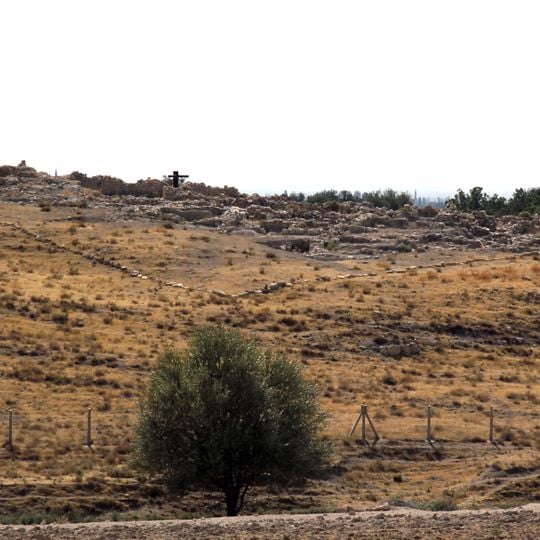
Köşk Höyük is an excavation site near Kemerhisar containing remains from multiple settlement periods layered up to 6 meters deep. The site reveals dwelling spaces, workshops, and various artifacts that reflect the daily life of its ancient inhabitants.
The settlement began around 6300 BC during the Neolithic period and continued until about 4750 BC, spanning different phases of human occupation. The transition to copper-working activities marks the adoption of early metallurgical innovation in the region.
The skulls with applied clay covering found at the site represent one of the earliest practices of skull modification in Anatolia. This custom was part of the social habits and beliefs of the people who lived there.
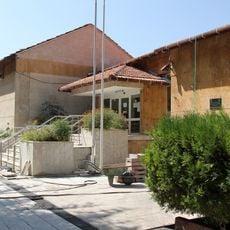
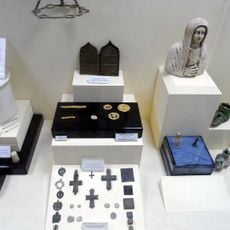
Most artifacts and room reconstructions from the excavation are displayed at the Niğde Archaeological Museum, offering a clearer view of the discoveries. The actual excavation site itself is less easily accessible, so visiting the museum is the more practical way to explore the finds.
An ancient copper-working workshop with a furnace was discovered at the site, showing that bronze-working activities began in this region far earlier than in many other places. This workshop demonstrates that technological advances like metal-working were already established here during the Chalcolithic period.
The community of curious travelers
AroundUs brings together thousands of curated places, local tips, and hidden gems, enriched daily by 91,394 contributors worldwide.