Alâeddin Sinop Mosque, 13th-century mosque in Sinop, Turkey
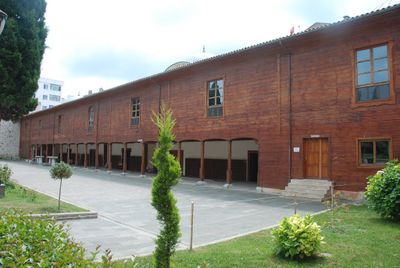
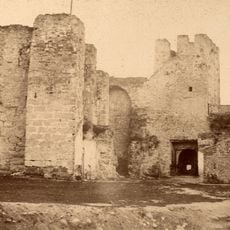
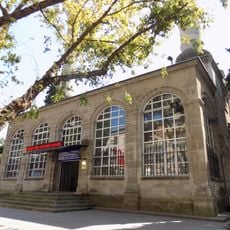
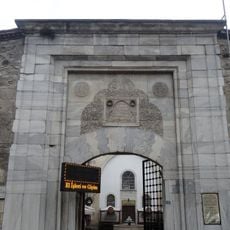
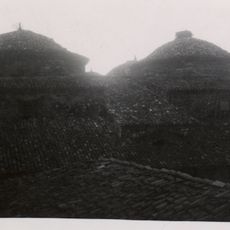
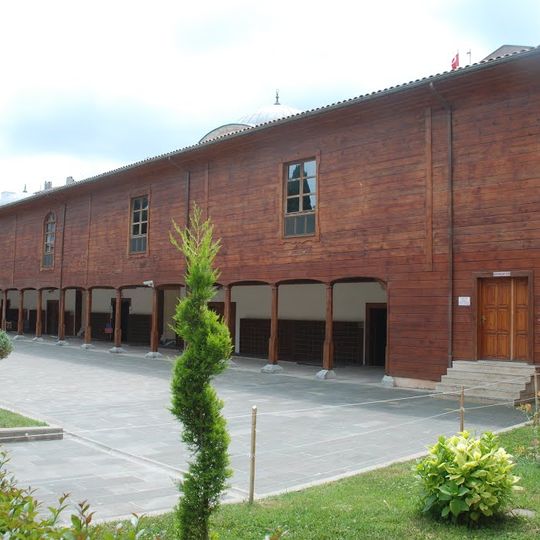
Alâeddin Sinop Mosque is a medieval place of worship in the center of Sinop, recognized by its stone dome and large entrance portal. The prayer hall inside rests on stone pillars, and windows along the walls let in natural light throughout the day.
Construction began in the 1220s under the Seljuk sultan Alaattin Keykubat I, but the building was destroyed and rebuilt in 1267 by the Seljuk vizier Pervâne. In the 14th century, Ibrahim of Candar expanded the site by adding a tomb to the complex.
The mosque takes its name from the Seljuk sultan Alaattin Keykubat, whose reign shaped this region. Visitors can observe the stone carvings around the entrance portal, which give a clear sense of the craftsmanship typical of that era.
Shoes must be removed before entering, and it is worth checking whether a prayer is in progress before stepping inside. Men and women use separate areas within the prayer hall, so it helps to look for signs at the entrance.
The vizier Pervâne, who ordered the rebuilding of the mosque, was one of the most powerful political figures in Seljuk Anatolia and at times maintained closer ties with the Mongols than with the sultan himself. The building stands as a rare trace of a period when rival powers overlapped in the region.
The community of curious travelers
AroundUs brings together thousands of curated places, local tips, and hidden gems, enriched daily by 91,515 contributors worldwide.