Isaura Nea, Roman and Byzantine settlement in Asia Minor
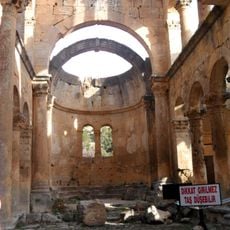
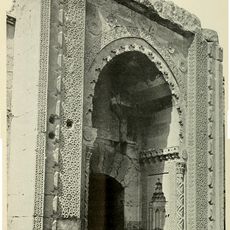
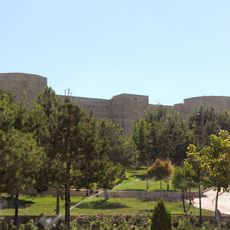
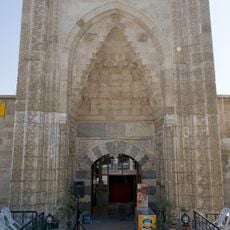
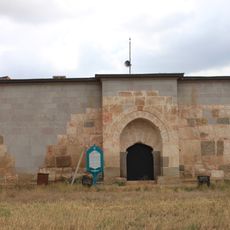
Isaura Nea is a Roman city in Konya Province situated on a mountain over 1800 meters high in central Anatolia's rugged landscape. The site contains remains of large defensive walls, a four-meter-high entrance gate with an arch, a large basilica later used as a church, and the fortress of Zengibar Castle on an adjoining peak.
The city was founded around 75 BCE as a new settlement after Roman general Servilius Isauricus destroyed the older city Isaura Palaea nearby. It grew to become an important bishopric seat of the Byzantine Church and briefly served as home to rival emperor Trebellianus during the third century.
The name Isaura Nea means New Isaura, distinguishing it from the older settlement Isaura Palaea that came before it. The city held religious importance as a bishopric seat, and carved stones showing shields, swords, and helmets reveal how residents valued their military heritage and daily activities.
Access is easiest from the Hacılar area via the Konya-Bozkır road, roughly 19 kilometers east of Bozkır district. Visitors should wear sturdy shoes, bring water, and prepare for high altitude and dry climate conditions, especially if planning to spend extended time exploring the ruins.
The large stones used in the city walls and entrance gate were cut with remarkable precision from a quarry on the mountain top, yet the exact methods used thousands of years ago remain a mystery. This stone craftsmanship testifies to a level of skill that continues to puzzle observers today.
The community of curious travelers
AroundUs brings together thousands of curated places, local tips, and hidden gems, enriched daily by 92,630 contributors worldwide.