Bilecik Museum, archaeology museum, Ethnographic museum
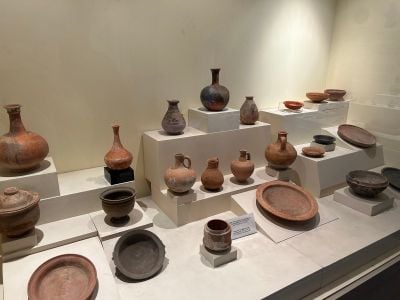
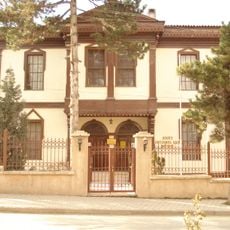
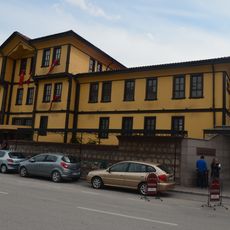
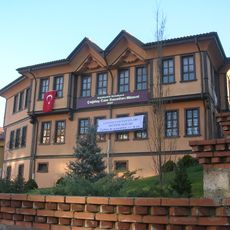
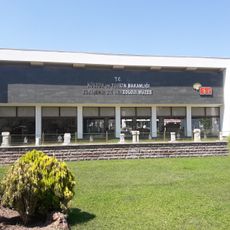
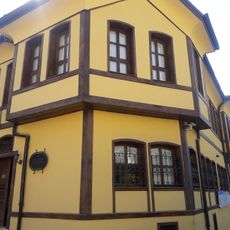
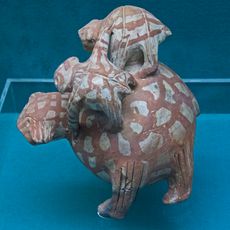
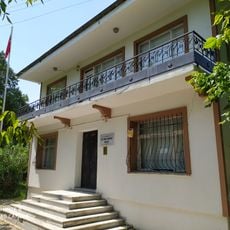
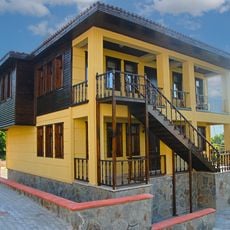
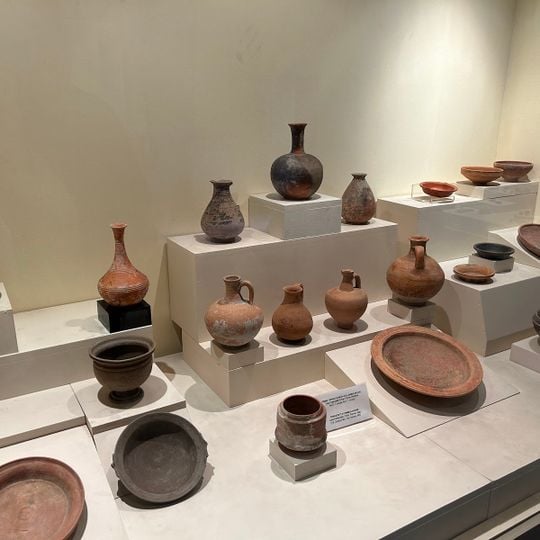
The Bilecik Museum is an archaeological museum in the town center housed in a two-story building dating to 1794. It contains over 1100 archaeological objects spanning from the Paleolithic period to the Ottoman era, along with more than 700 coins and 317 ethnographic pieces that document daily life and regional traditions.
The building was constructed in 1794 as a military structure and long functioned as a prison on the lower floor and courthouse above. During the Greek occupation of 1921-1922, it was completely destroyed, but after the War of Independence it was rebuilt and continued its function until 1996 when it was handed to the Ministry of Culture.
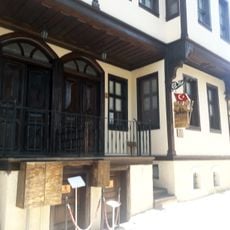
The museum occupies a structure that emerged during the early Ottoman period, creating a direct link between the building itself and the region's past. The ethnographic sections display traditional clothing, household items, and details of daily life that show how people in the area lived across different centuries.
The museum sits centrally across from the Governor's Office and is easily accessible on foot; entry is free with no restrictions on visiting. Allow sufficient time to walk through the exhibition halls, read the informational panels about architecture and regional history, and friendly staff are ready to help explain the displays.
The building itself serves as a time capsule, with its walls still bearing traces of the fire from 1921-1922 and carefully restored since then. These visible marks of history make the place special because visitors experience not just artifacts but the physical evidence of resilience and rebuilding woven into the structure itself.
The community of curious travelers
AroundUs brings together thousands of curated places, local tips, and hidden gems, enriched daily by 91,542 contributors worldwide.