River Severn, River system in western Great Britain
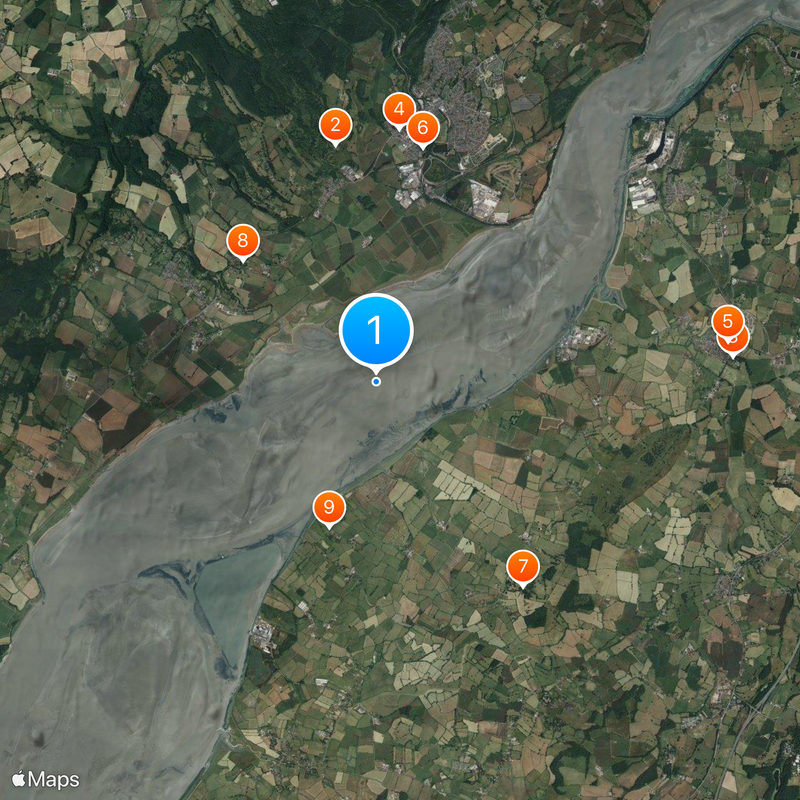
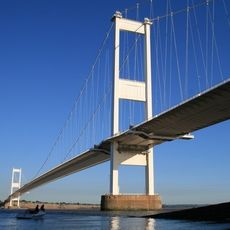
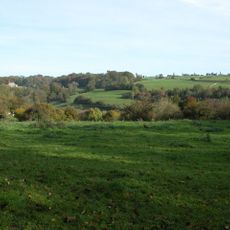
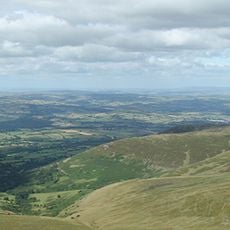
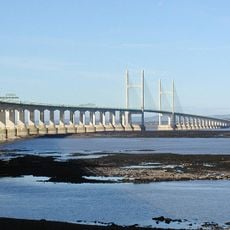
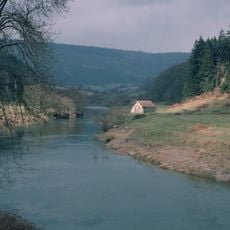
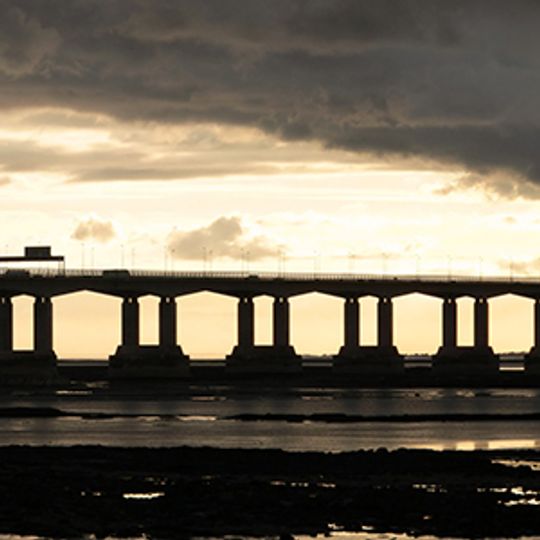
The Severn is a river system in western Great Britain that runs 220 miles from the Plynlimon hills in Wales to the Bristol Channel. Along its course it passes through rural valleys and larger towns, with numerous locks regulating water levels and enabling navigation.
During Roman times the waterway bore the Latin name Sabrina, and its course determined the location of settlements at key crossing points. In the 18th century a new era began along the banks when coal and iron from nearby mines were transported to factories that transformed the valley.
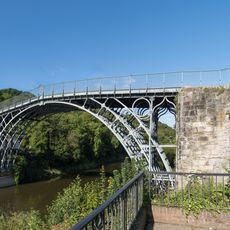
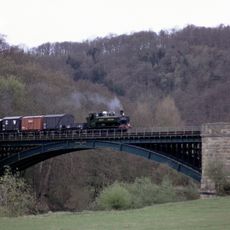
The Iron Bridge crossing the waterway at Ironbridge became the first cast iron bridge and remains a turning point in how builders approached new materials. Visitors today can still see the rivets and arch form that show how early engineers experimented with metal.
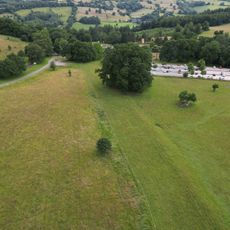
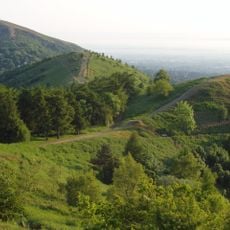
Walking and cycling paths run along much of the waterway, offering access to both banks and views of the changing landscape. Public moorings and riverside areas at several points provide places to pause, while tidal times should be noted especially in the estuary section.
The so-called Severn Bore forms when incoming tides push against the current and create waves in the estuary section that can reach up to 2 meters (6.5 feet) high. Some surfers ride these waves for long stretches upstream, while onlookers gather along the banks to watch the phenomenon.
The community of curious travelers
AroundUs brings together thousands of curated places, local tips, and hidden gems, enriched daily by 92,392 contributors worldwide.